Plans and Elevations in 3D
Year 12 Mathematics Essentials Understanding 2D representations of 3D objects Real-world applications in design and construction
What Are Plans and Elevations?
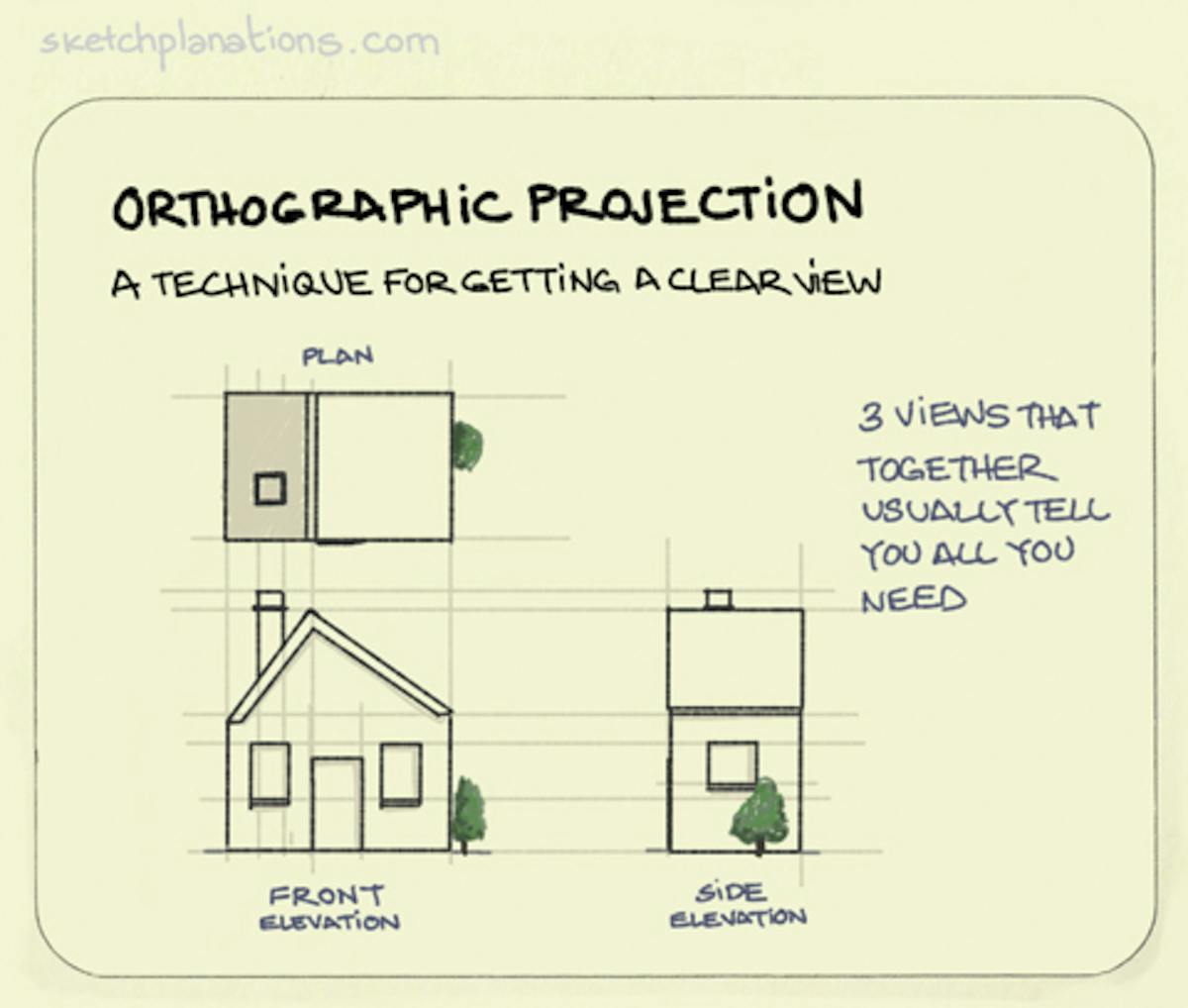
Plan View: A 'bird's eye' or top-down view of an object Elevation View: Side views showing height and width (front, back, left, right) Together they provide complete spatial understanding Essential for communicating design in construction and manufacturing

Interpreting a Simple Model
Look at the L-shaped block diagram Identify the plan view (top) Identify the front elevation Discuss what the side elevation would look like
Real-World Applications
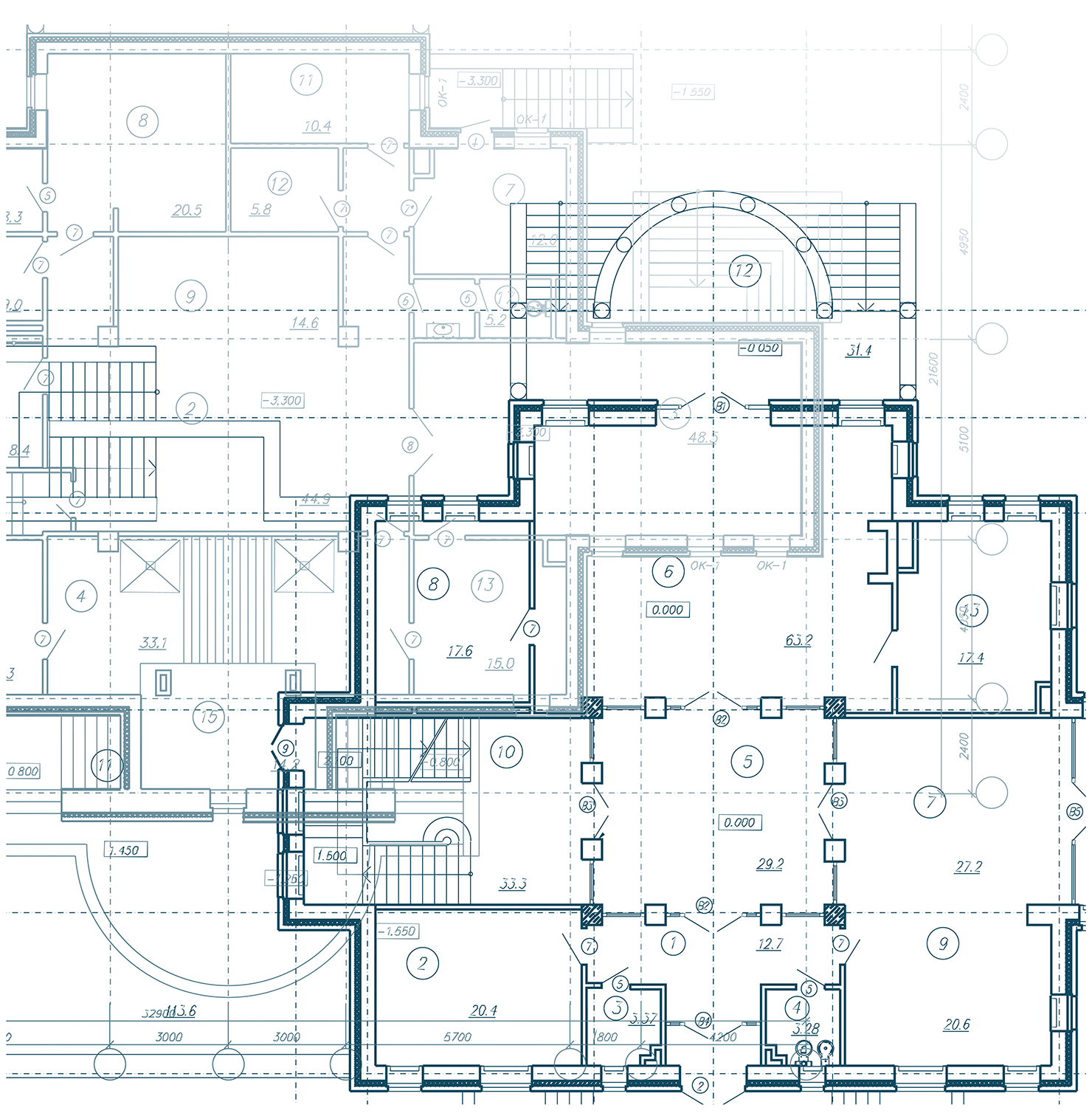
Architects use plans and elevations for building design Manufacturers interpret 2D diagrams to create 3D products Engineers communicate design specifications Carpenters and builders read construction drawings Essential skill in trades and design industries

Guided Practice: Sketching Views
{"left":"Step 1: Observe the 3D object carefully\nStep 2: Imagine viewing from directly above for plan view\nStep 3: Imagine viewing from the front for front elevation","right":"Step 4: Check proportions and measurements\nStep 5: Label dimensions clearly\nStep 6: Verify accuracy by comparing views"}

Challenge Question
You are designing a playground climbing structure Given: Plan view and front elevation Task: Sketch the side elevation Consider: Safety requirements and proportions
Independent Practice
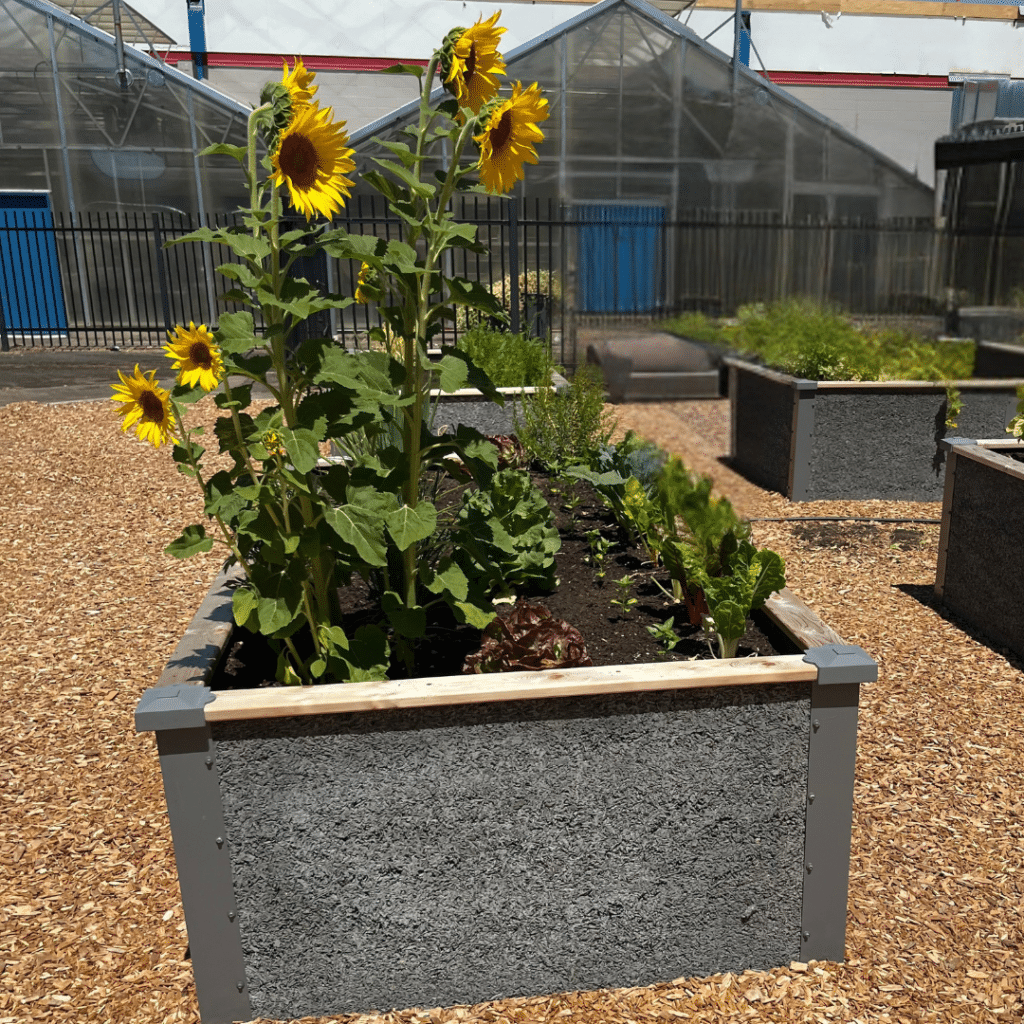
Interpret the community garden layout Identify raised beds, pathways, and structures Sketch the missing elevation view Label key dimensions and features
Key Takeaways
Plans and elevations are essential 2D representations of 3D objects Multiple views provide complete spatial understanding Accuracy and clear labeling are crucial These skills apply to many careers and real-world situations Practice develops spatial reasoning abilities