Measuring Time: Estimation & Duration
Year 3 Mathematics Learning to estimate and measure time
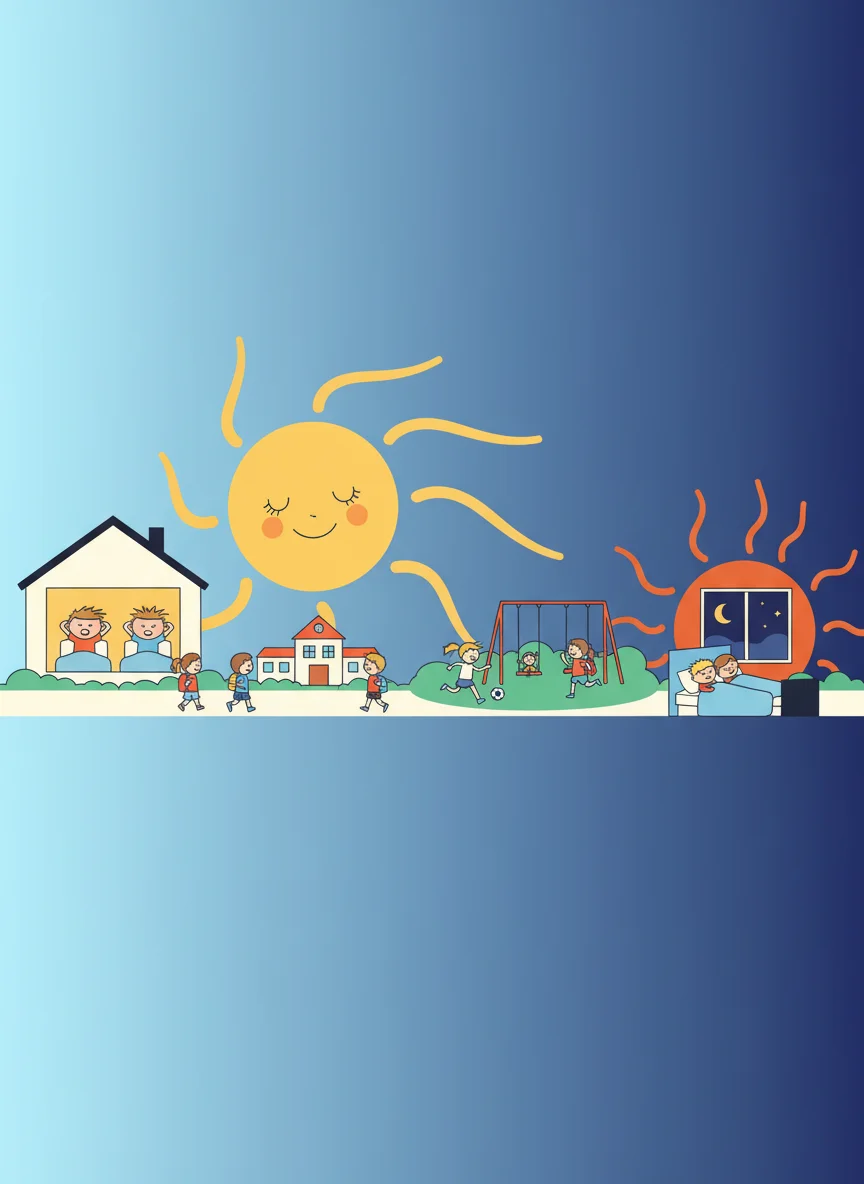
What is Time?
Time helps us know when things happen We measure time in seconds, minutes, and hours Time helps us plan our day
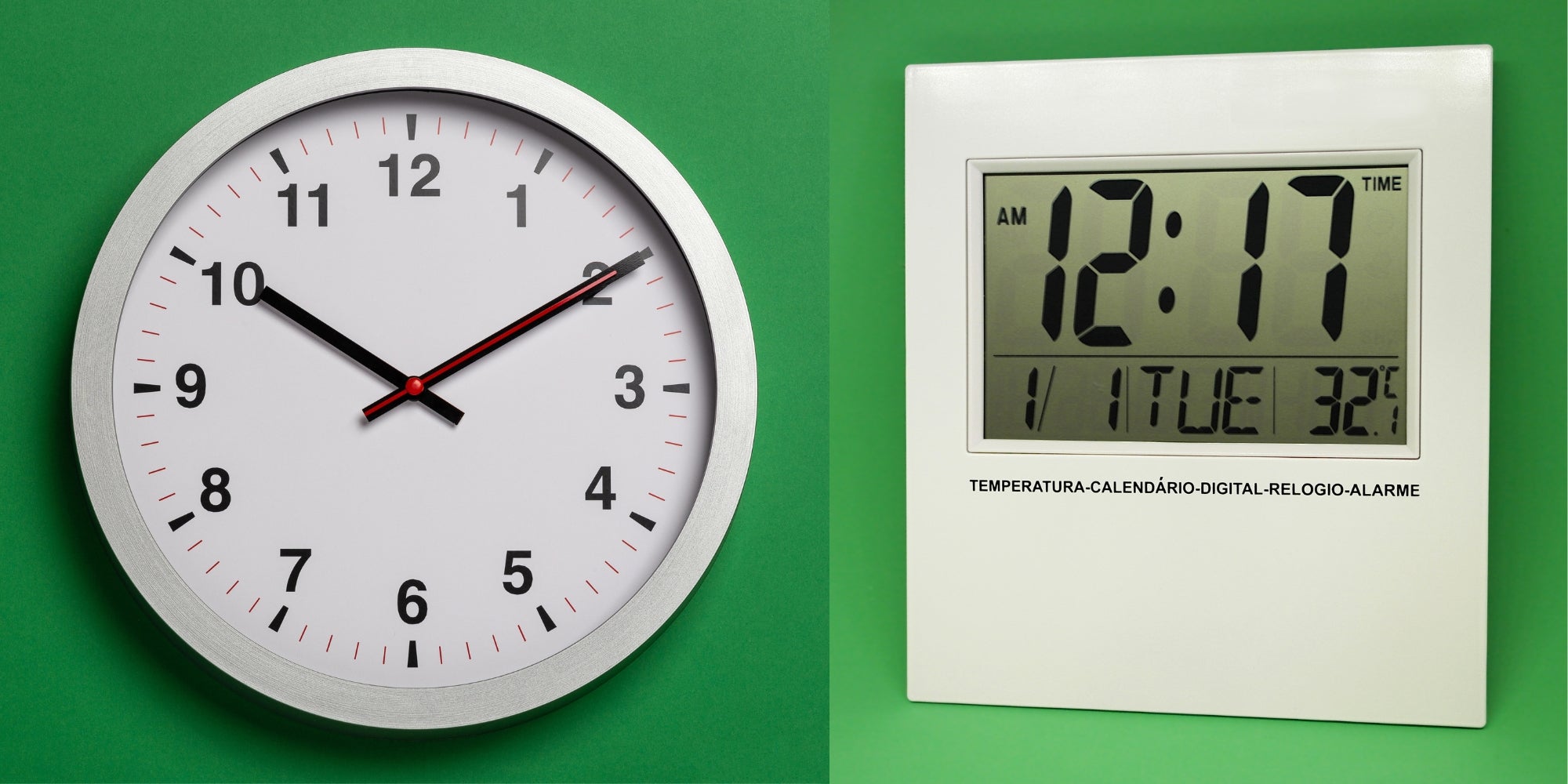
Types of Clocks
Analog clocks have hands that move Digital clocks show numbers Both clocks tell us the same time
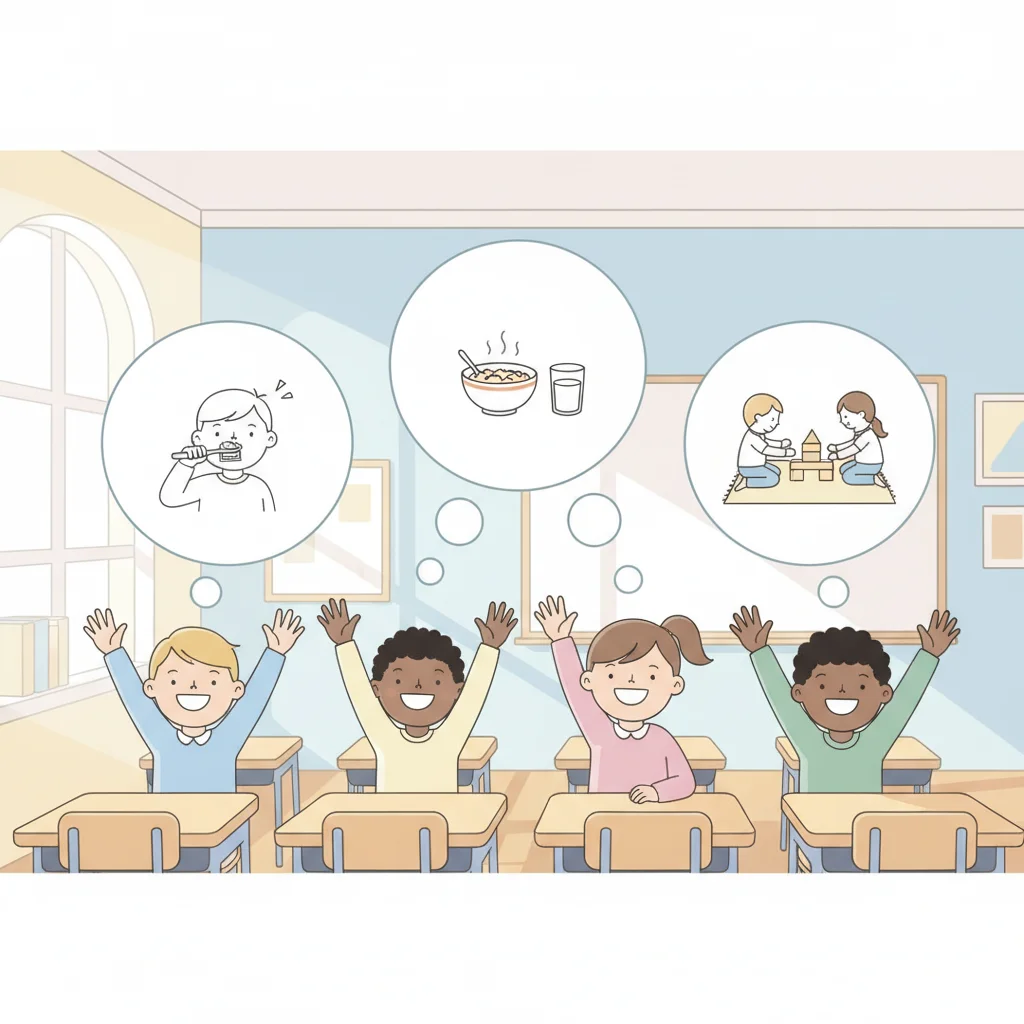
What time activities do you do every day?
Think about your morning routine What about after school? How do you know when to do these things?
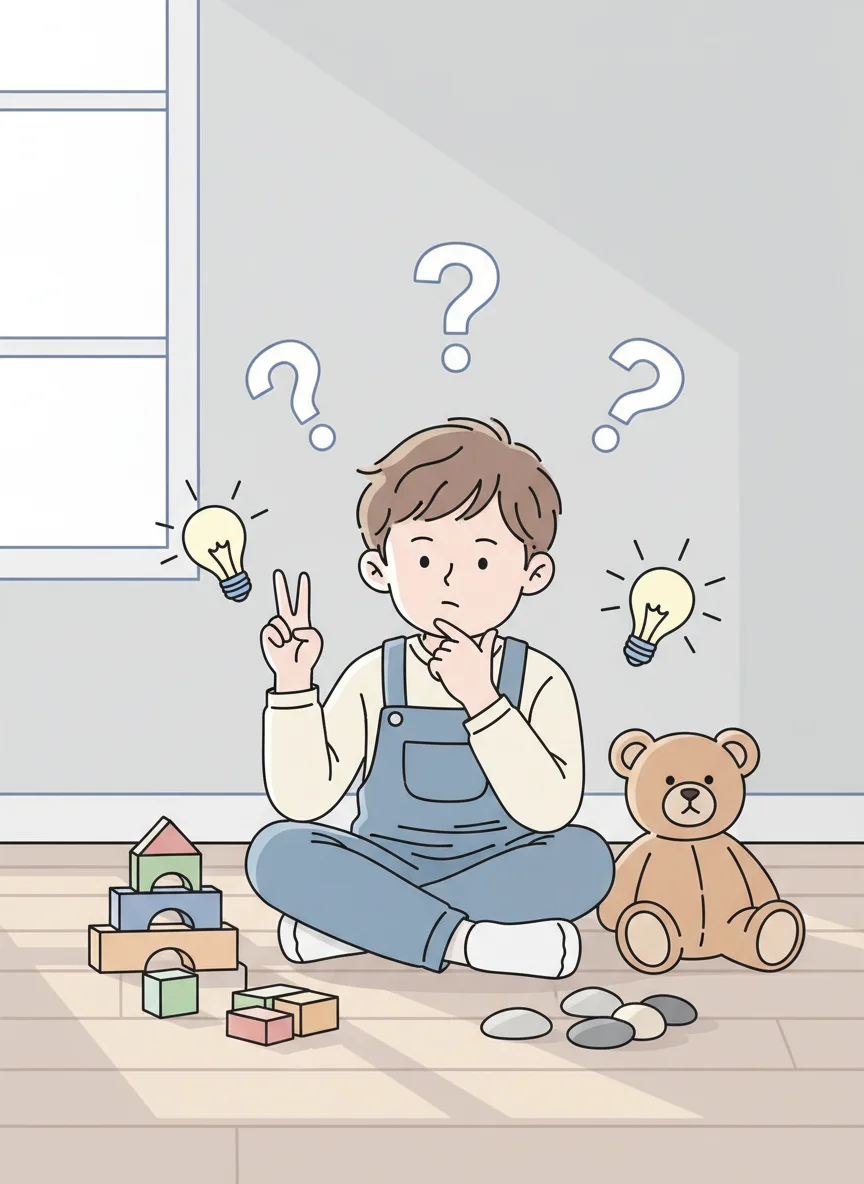
What is Estimation?
Estimation means making a good guess We estimate before we measure Our estimates can be close to the real answer
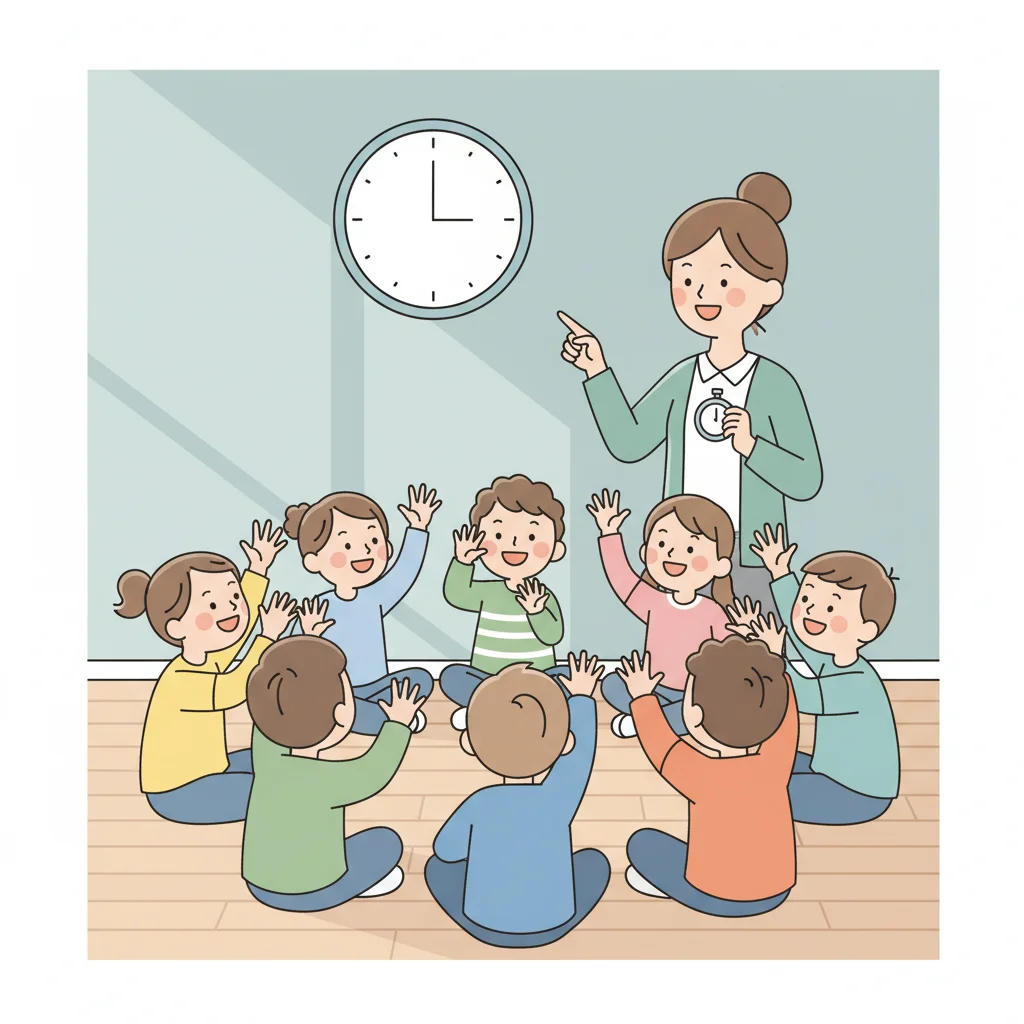
Quick Estimation Game
Look at the clock Estimate how long it takes to count to 20 Now let's count together and time it!
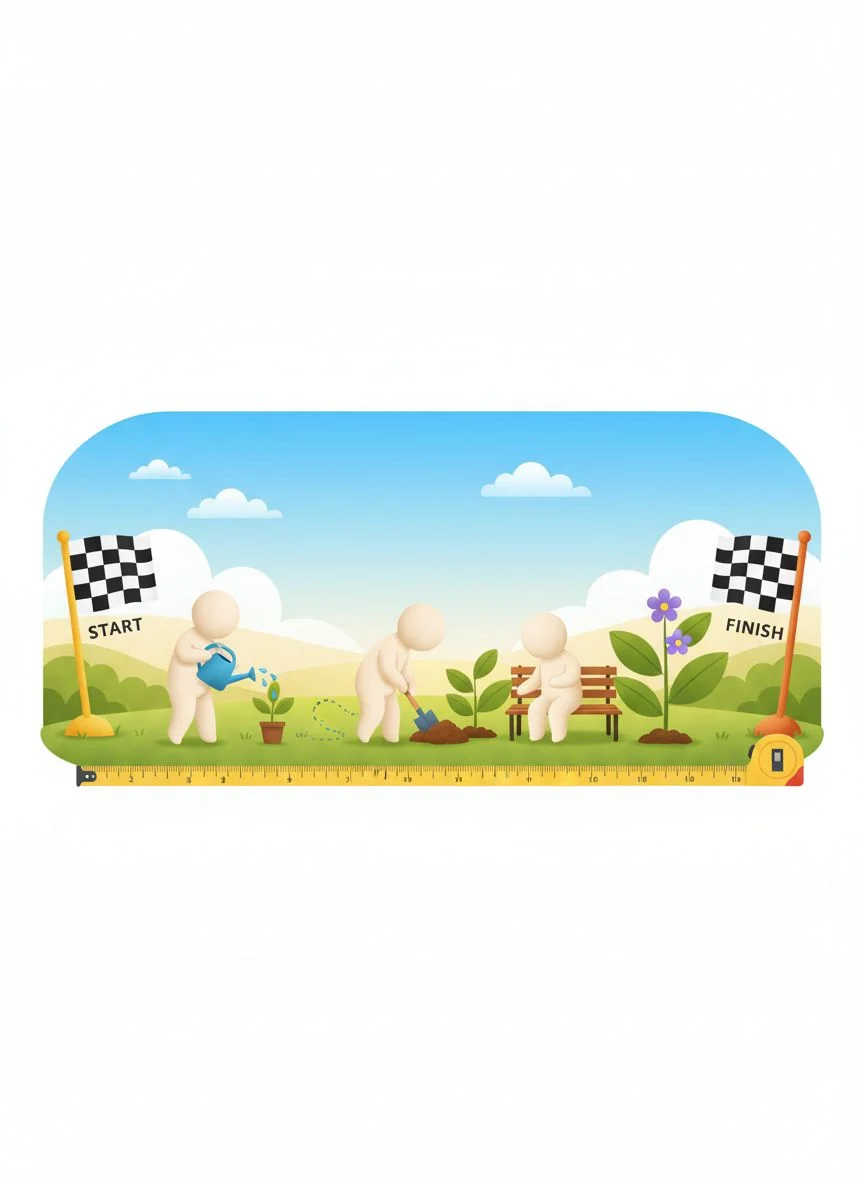
What is Duration?
Duration is how long something takes We find duration by comparing start and finish times Duration tells us if our estimate was good
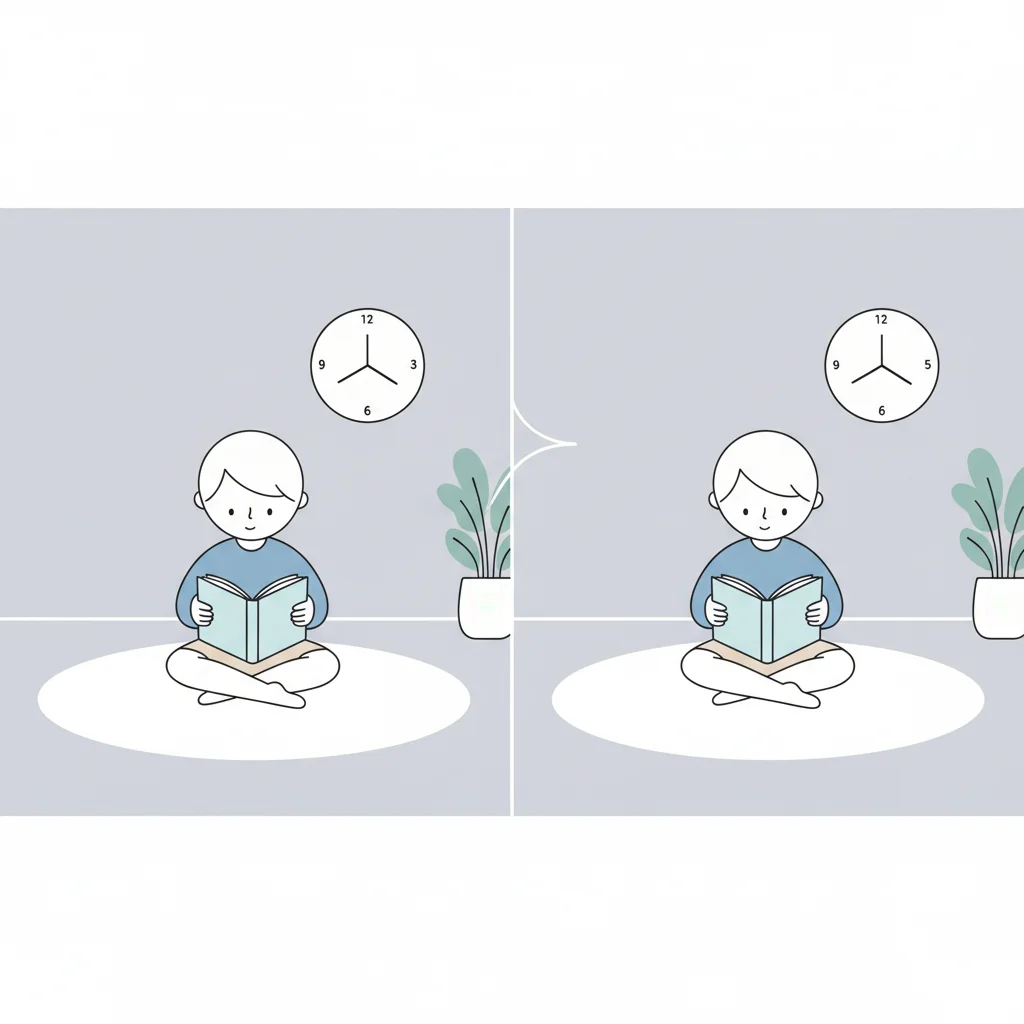
Start Time vs Finish Time
{"left":"Start Time: When we begin an activity\nFinish Time: When we complete the activity","right":"Duration: Finish time minus start time\nExample: Start 2:00pm, Finish 2:15pm, Duration 15 minutes"}
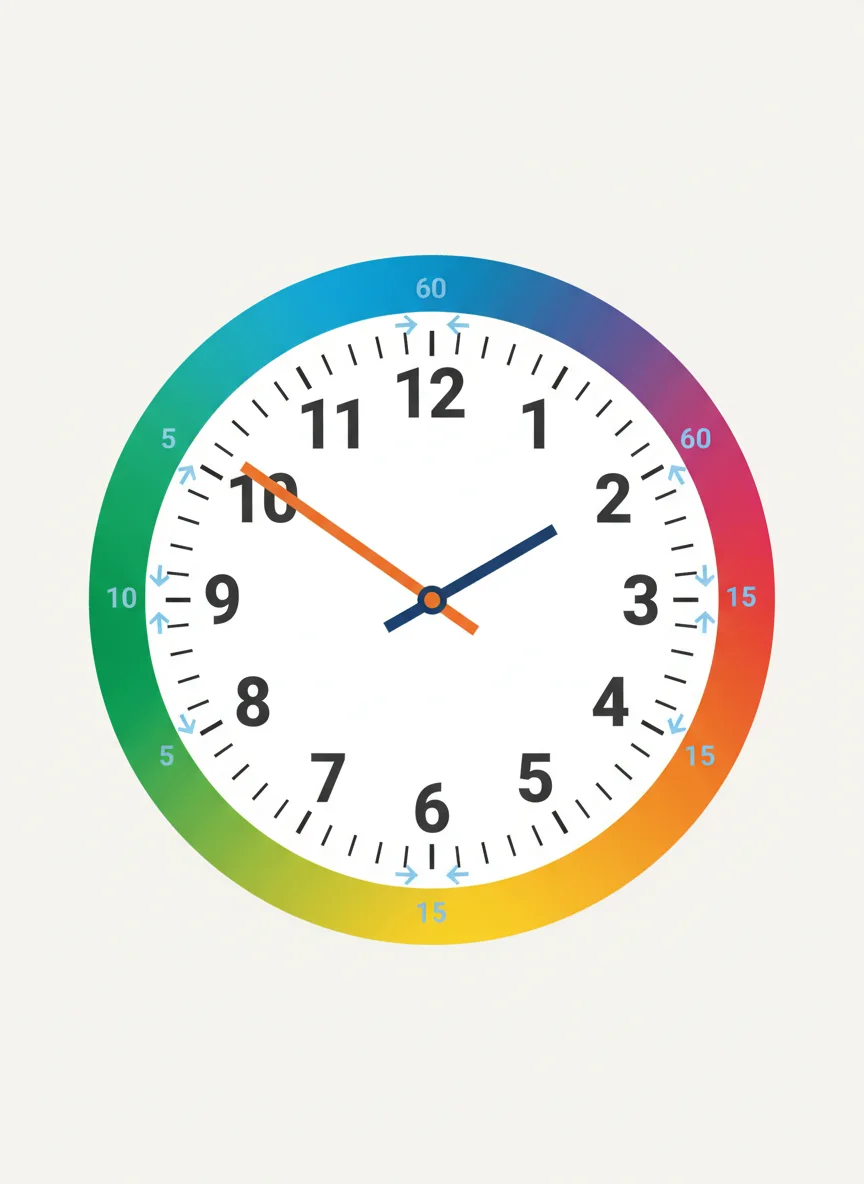
Reading the Clock to the Nearest Minute
Look at where the minute hand points Each number on the clock represents 5 minutes Count by 5s to find the minutes
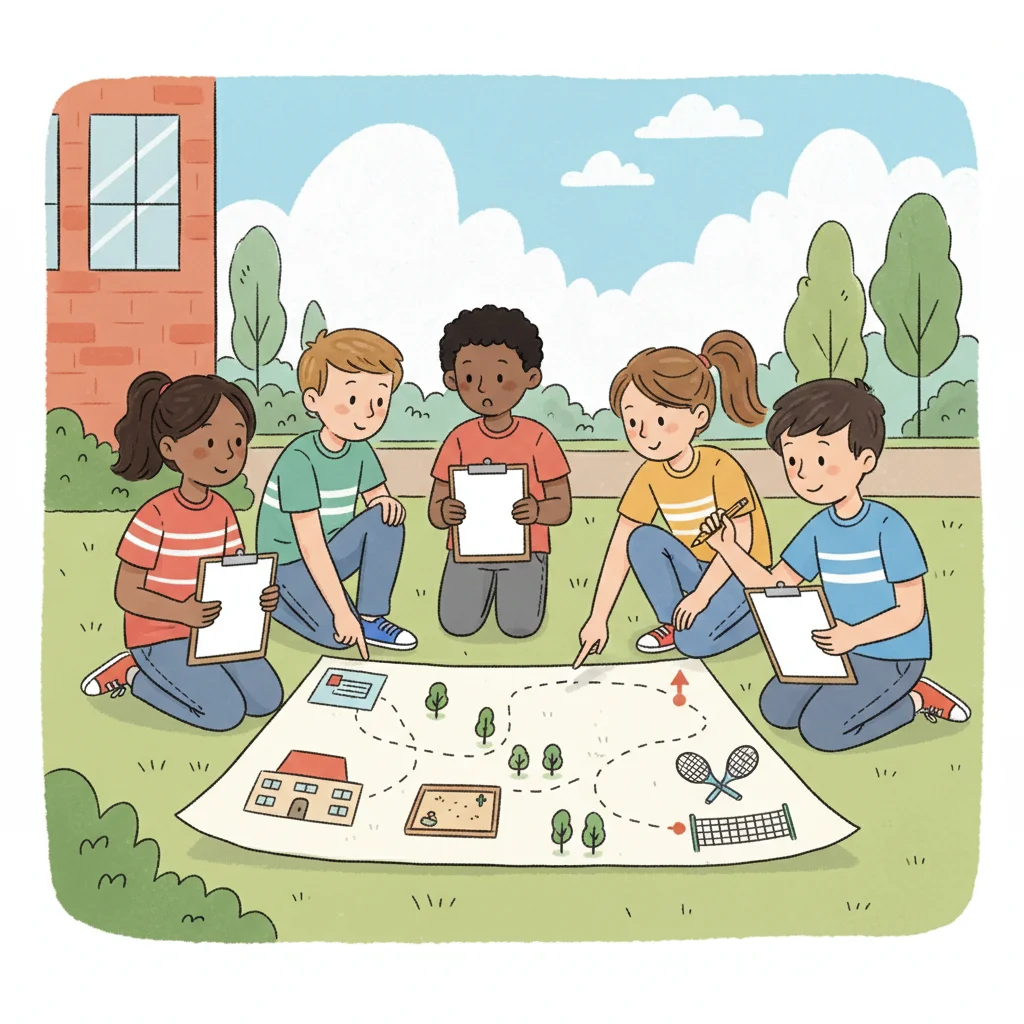
Practice: Walking Activity Setup
We'll walk from classroom to tennis courts and back First, let's estimate how long this will take Write your estimate in minutes

Recording Start and Finish Times
Look at both analog and digital clocks Record the exact minute when we start Record the exact minute when we finish Be careful to read the time correctly
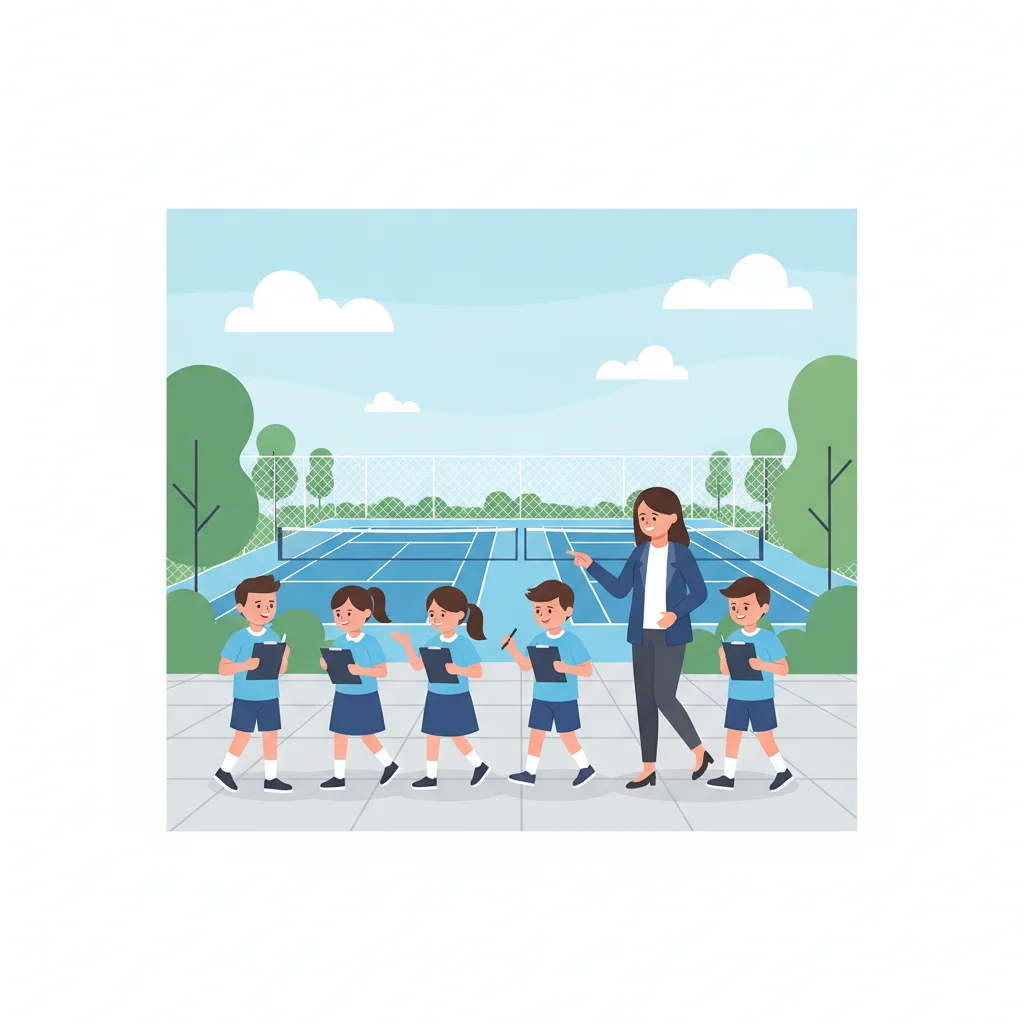
Let's Do the Walk!
Record start time before we leave Walk safely to tennis courts and back Record finish time when we return Stay together as a group
3 more slides available after you open the deck.
Download all 15 slides