
Measuring Reflex Angles Made Easy
Year 5 Mathematics Australian Curriculum ACMMG112 Understanding angles greater than 180°

What Are Reflex Angles?
Angles greater than 180° but less than 360° They 'bend backwards' more than a straight line Found in everyday objects like open doors and scissors Different from acute, right, and obtuse angles

Angle Hunt Challenge
Work in pairs to find reflex angles around the classroom Draw or photograph 3 examples Estimate each angle's measurement Share findings with the class
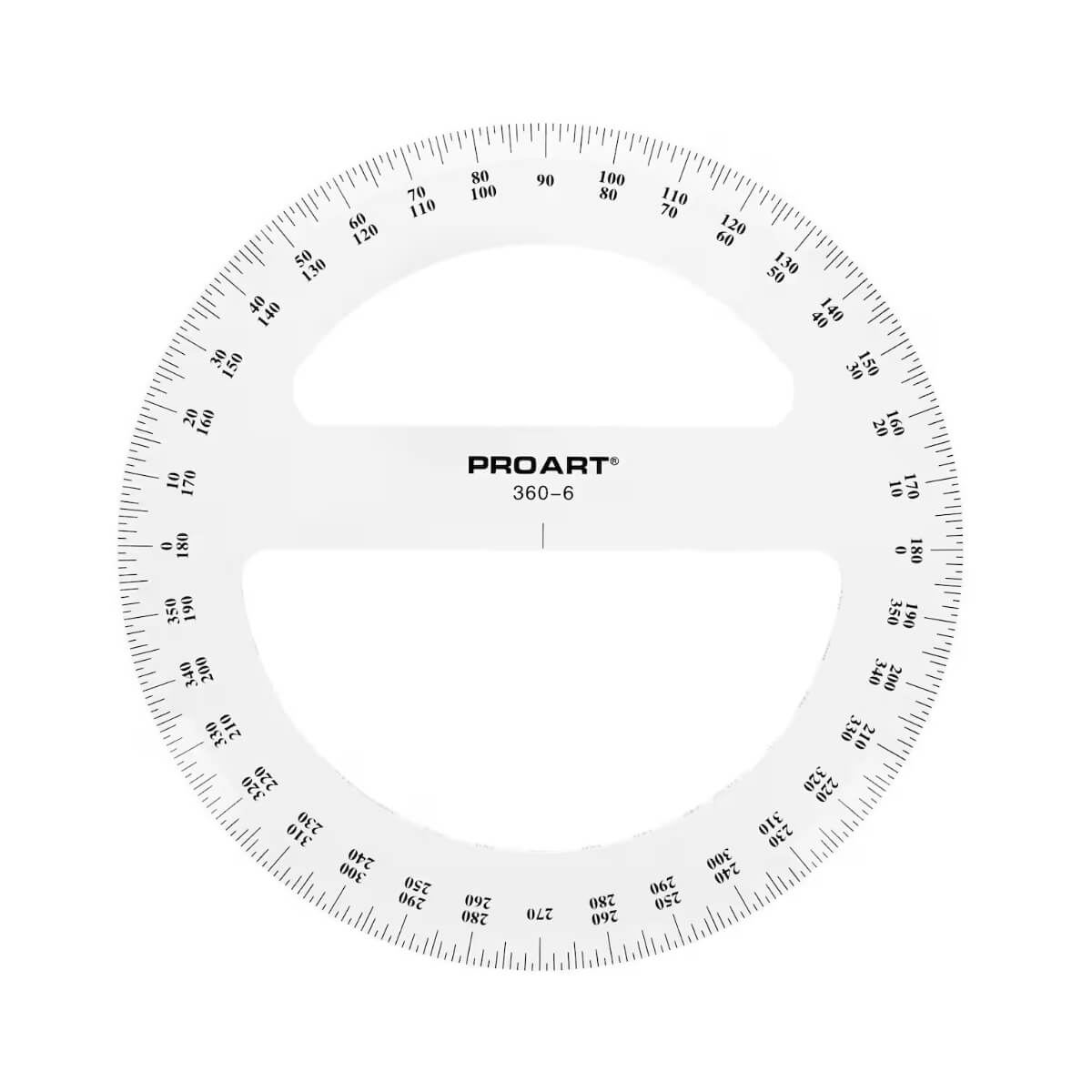
Tools for Measuring Reflex Angles
Standard protractor (measures up to 180°) Full-circle protractor (measures up to 360°) Digital angle finder apps Two-step method with standard protractor
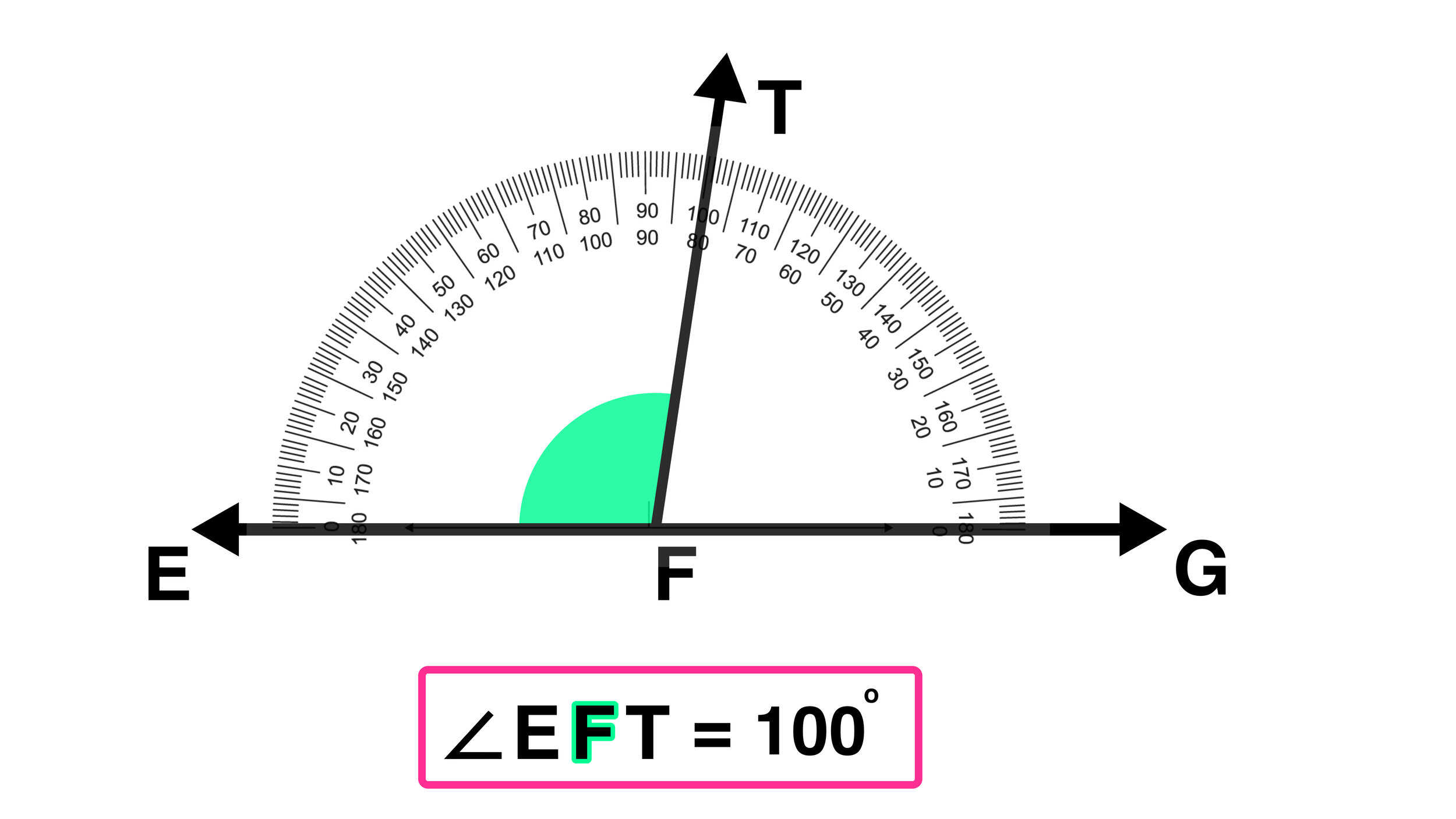
Step-by-Step: Measuring Reflex Angles

Method Comparison
{"left":"Direct Method: Use 360° protractor, Quick and accurate, Requires special tool, Best for precise work","right":"Indirect Method: Use standard protractor, Measure acute/obtuse angle, Subtract from 360°, Works with common tools"}

Hands-On Practice
Measure 5 given reflex angles using both methods Record measurements in your workbook Compare results from both methods Discuss any differences with your partner

Quick Check Understanding
If the smaller angle measures 75°, what is the reflex angle? Why can't we measure a reflex angle directly with a standard protractor? What's the difference between 270° and a right angle?

Common Mistakes to Avoid
Forgetting to subtract from 360° Measuring the reflex angle instead of the smaller angle Placing the protractor incorrectly on the vertex Adding instead of subtracting Not checking if your answer makes sense

Remember This!
A reflex angle is like a regular angle that has 'stretched too far' - it's always between 180° and 360°!