Measuring Health-Related Fitness Components
Year 8 PDHPE Understanding and Testing Your Fitness
What Are Health-Related Fitness Components?
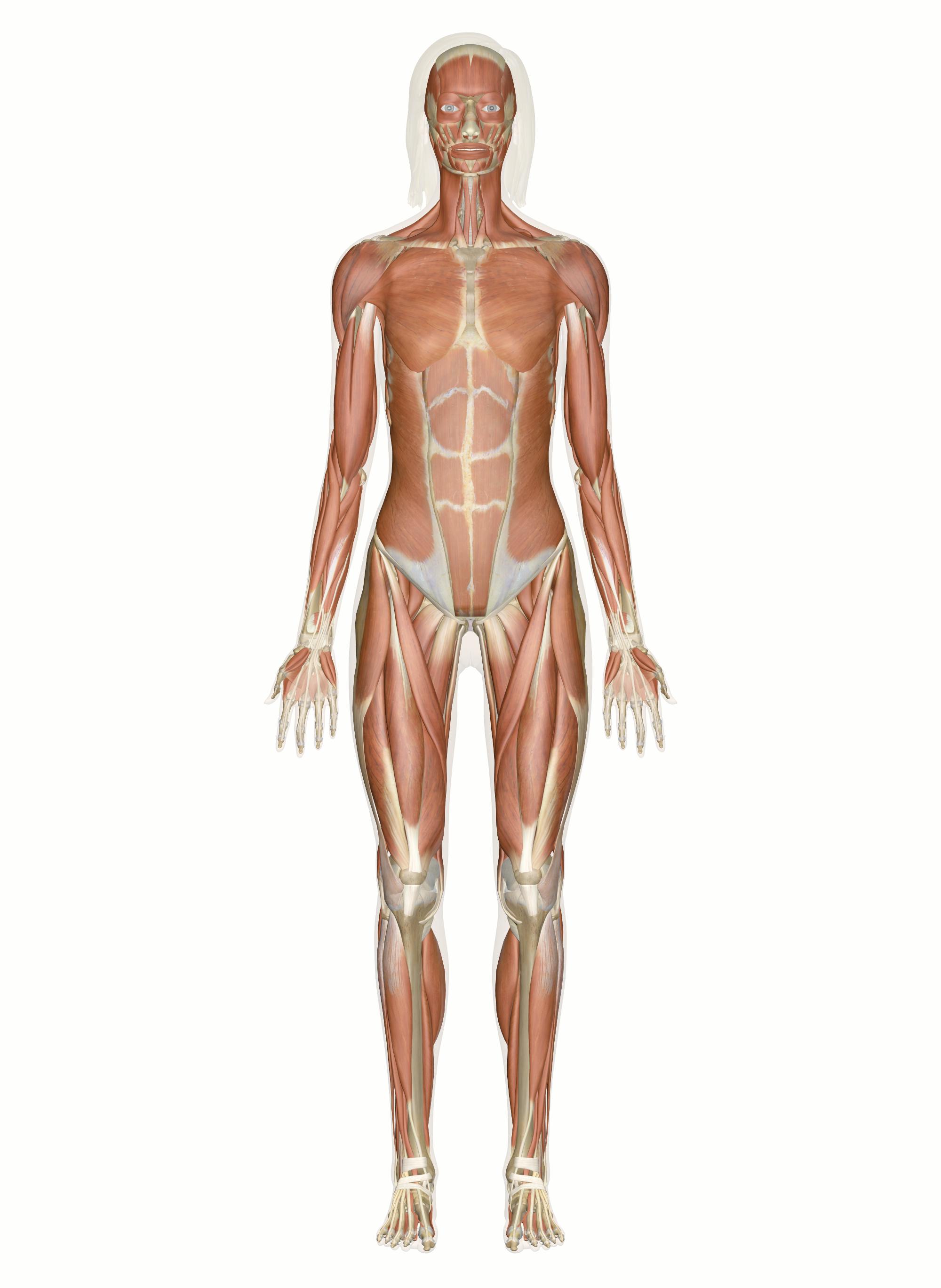
Cardiovascular Fitness - heart and lung efficiency Muscular Strength - maximum force muscles can produce Muscular Endurance - muscles working for extended periods Flexibility - range of movement around joints

Think About It
Why is it important to measure our fitness levels? How might knowing your fitness help you in daily life?
Fitness Testing Methods Overview
Practical Testing Station 1: Muscular Strength
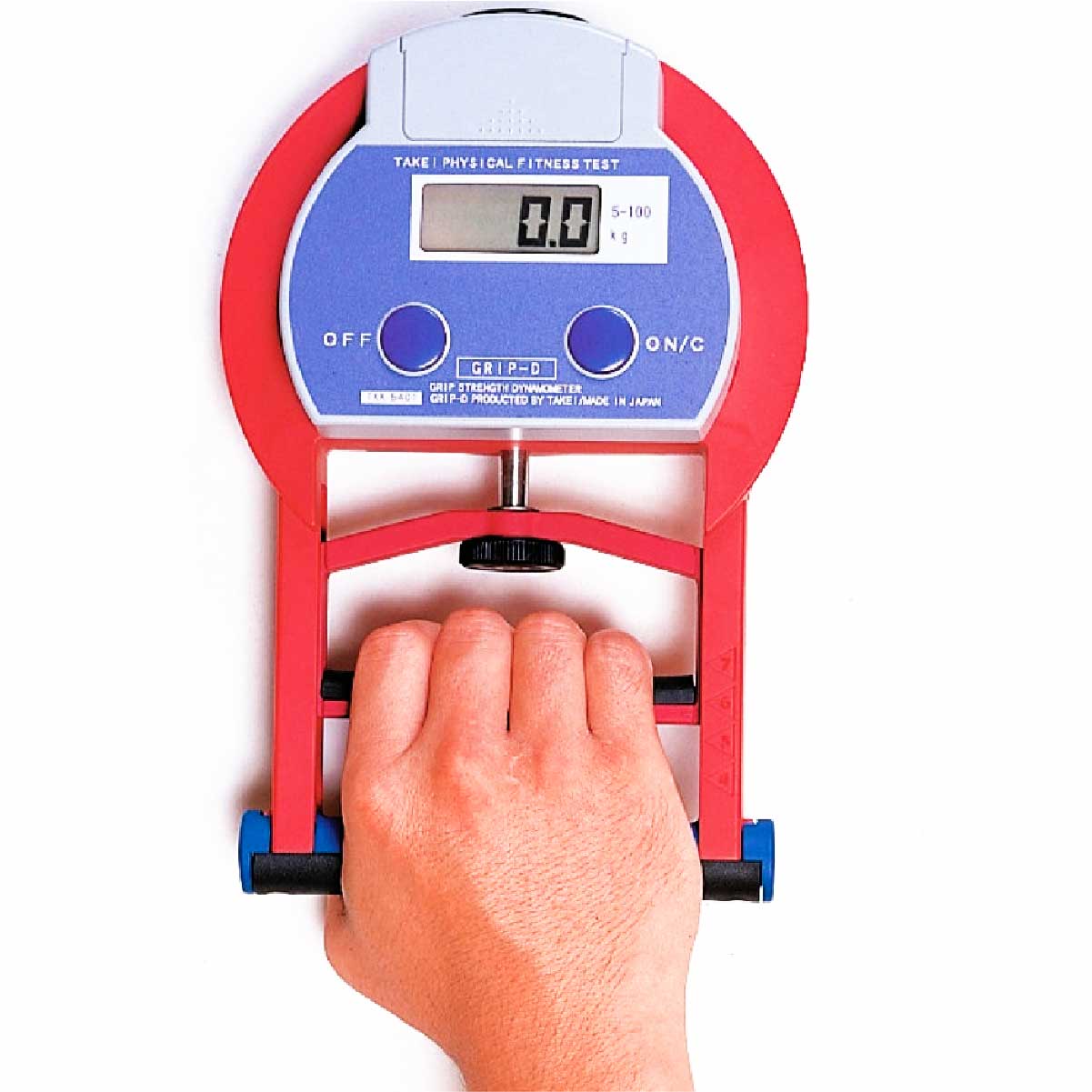
Use hand-grip dynamometer correctly Squeeze as hard as possible for 3 seconds Record your best result from 3 attempts Compare with age-appropriate standards

Practical Testing Station 2: Muscular Endurance & Flexibility
Plank Test: Hold proper plank position until form breaks Sit-and-Reach: Slowly reach forward, hold for 2 seconds Record times and distances accurately Encourage and support your classmates
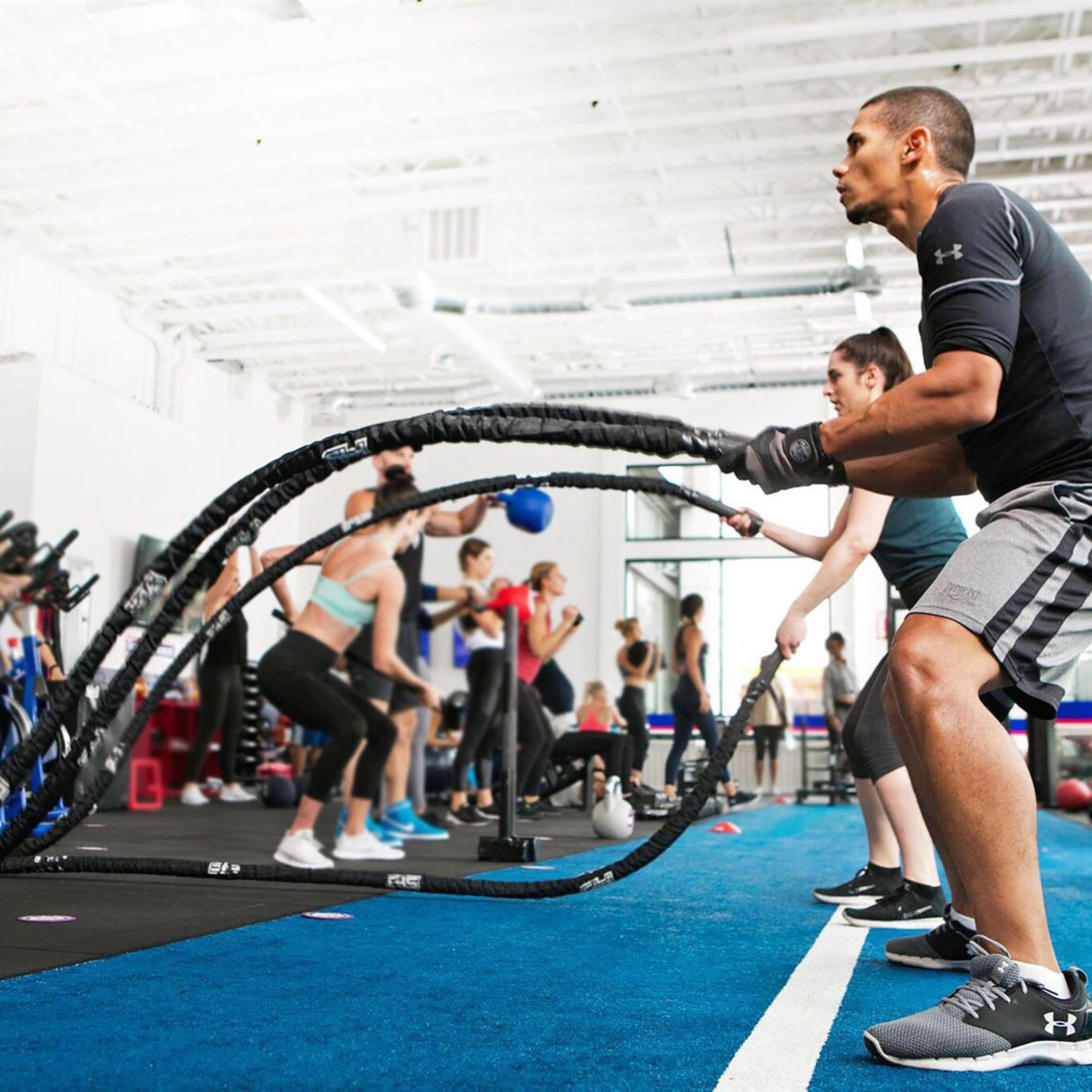
Improving Your Fitness Components
{"left":"Cardiovascular: Running, cycling, swimming, dancing\nMuscular Strength: Weight training, resistance bands, push-ups","right":"Muscular Endurance: Circuit training, bodyweight exercises, longer holds\nFlexibility: Stretching routines, yoga, pilates, regular movement"}
Remember
Fitness is not about being perfect - it's about being better than you were yesterday Regular measurement helps track progress and set realistic goals