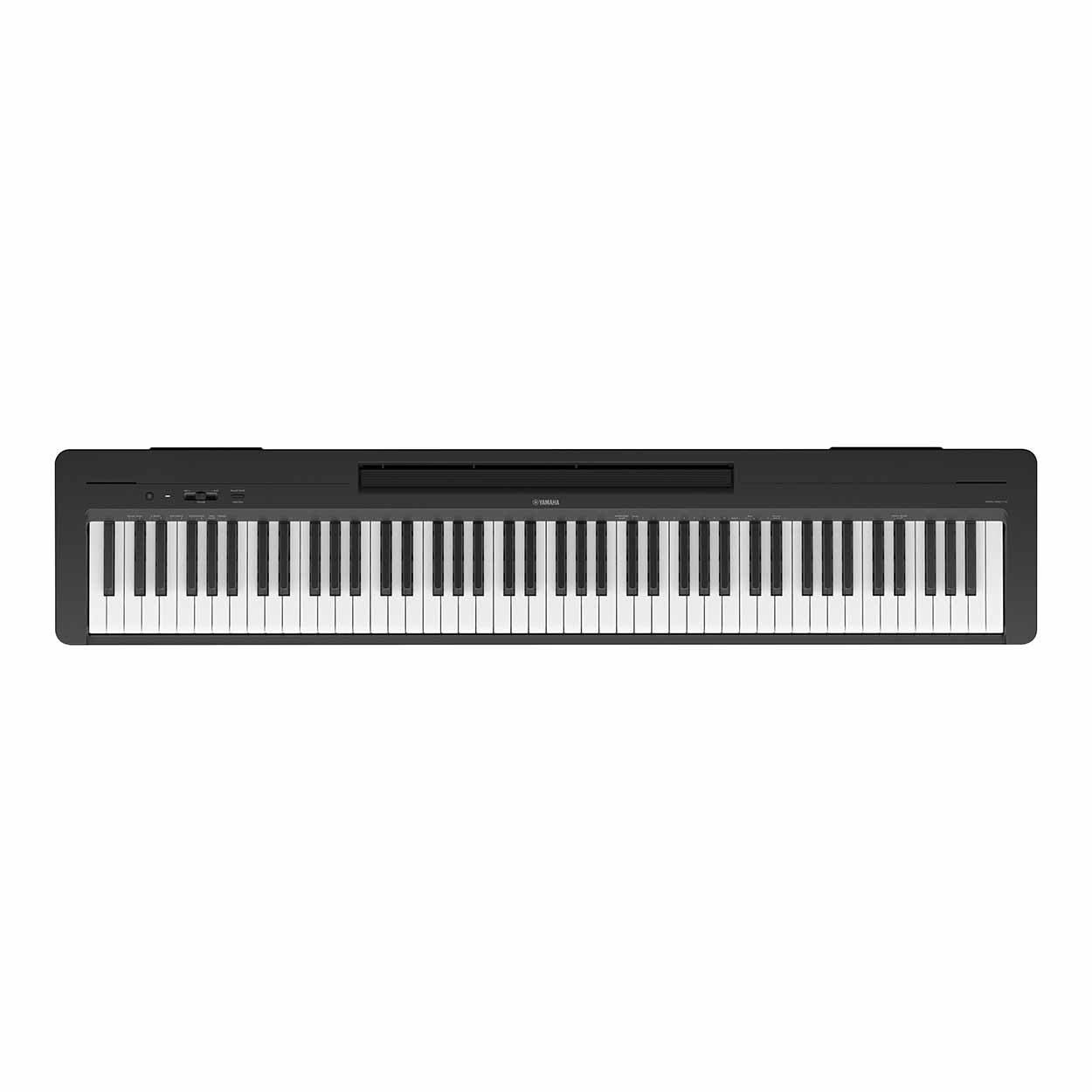
Major and Harmonic Minor Scales
Year 10 Music Theory Understanding Scale Formulas and Musical Expression Victorian Curriculum AC9AMU10C02, AC9AMU10D01, AC9AMU10E01
What Are Scales?
A sequence of musical notes in ascending or descending order Foundation for melodies, harmonies, and musical composition Each scale has a unique pattern of intervals Create different moods and emotional effects in music

Major Scale Formula
Pattern: W - W - H - W - W - W - H W = Whole step (2 semitones) H = Half step (1 semitone) Example: C Major = C - D - E - F - G - A - B - C Creates a bright, happy, stable sound

Listen and Identify
Activity 1: Listen to major scale examples Describe the mood and character you hear Activity 2: Sing or hum along with C major scale Notice the 'Do-Re-Mi' pattern
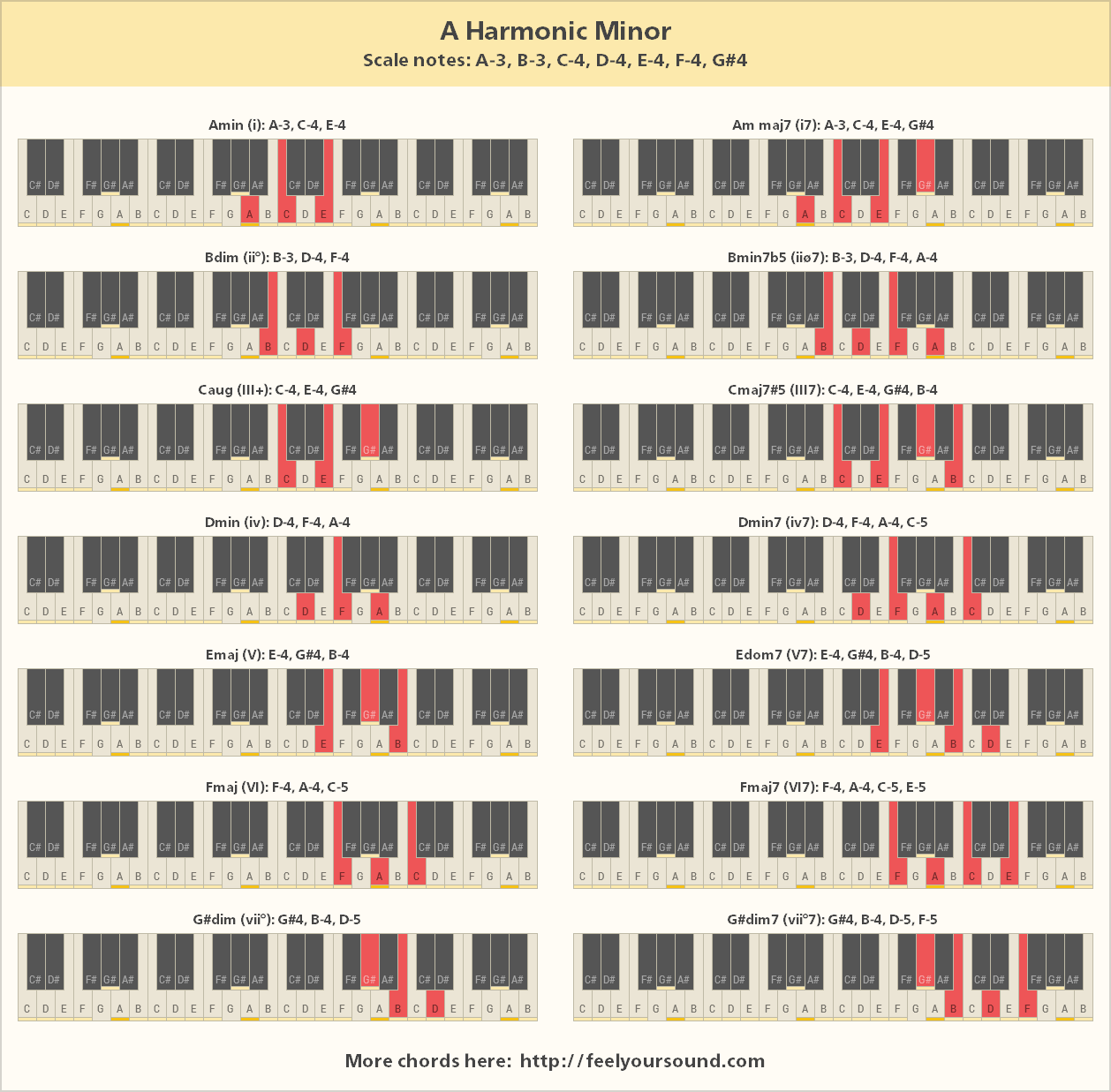
Harmonic Minor Scale Formula
Pattern: W - H - W - W - H - Aug2 - H Aug2 = Augmented 2nd (3 semitones) Example: A Harmonic Minor = A - B - C - D - E - F - G# - A Creates exotic, dramatic, mysterious sound The raised 7th degree creates strong pull to tonic

Major vs Harmonic Minor Comparison
{"left":"Major Scale Characteristics:\nBright and cheerful mood\nStable and resolved feeling\nCommon in pop and folk music","right":"Harmonic Minor Characteristics:\nExotic and dramatic mood\nCreates tension and mystery\nUsed in classical and Middle Eastern music"}
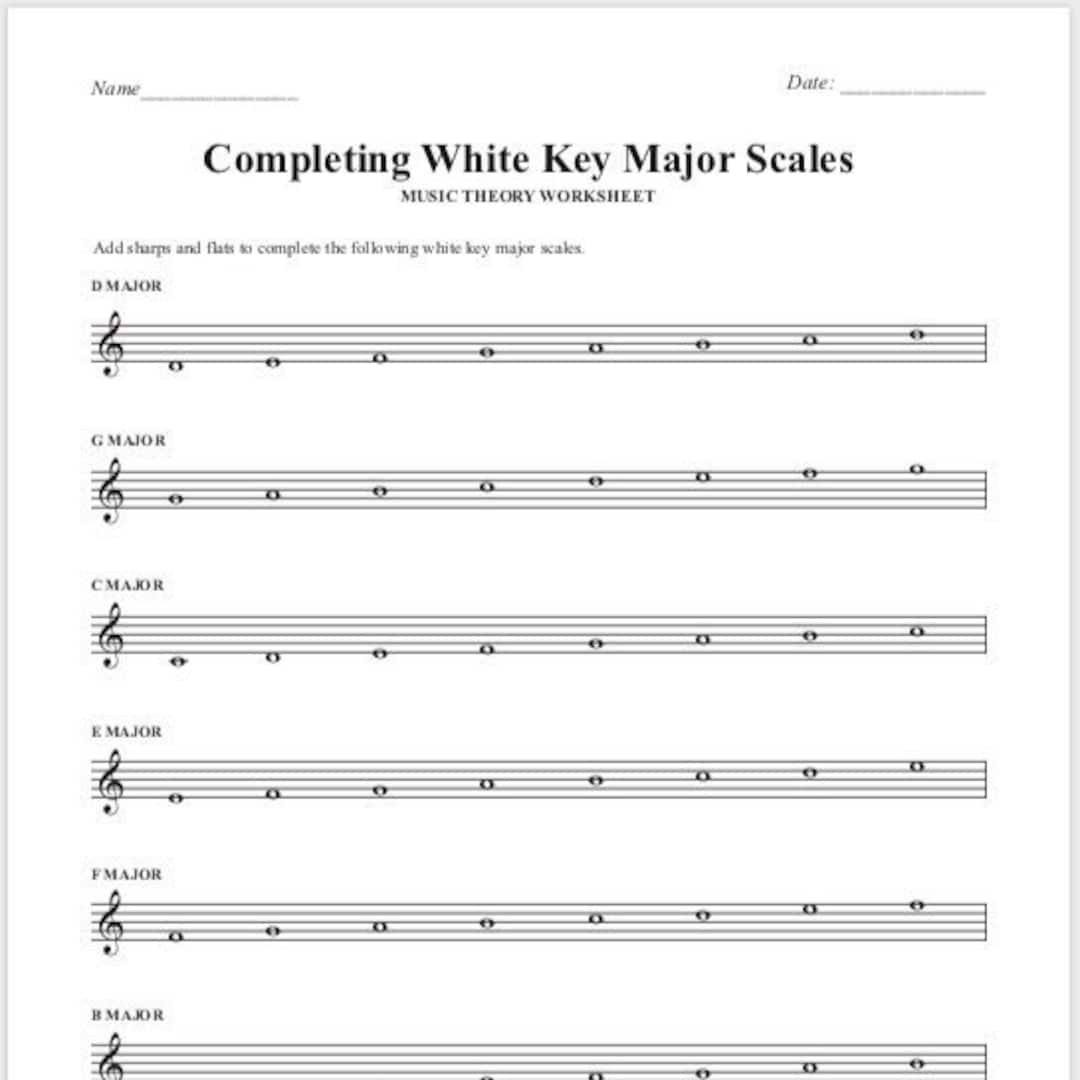
Scale Construction Workshop
Complete the worksheet: construct C major and A harmonic minor Use the scale formulas to write notes on the staff Check your work with a partner Practice playing or singing your scales

Reflection and Next Steps
How do major and harmonic minor scales affect the mood of music? Which scale would you choose for a happy song? A mysterious song? How can you use these scales in your own compositions? What other scales would you like to explore?