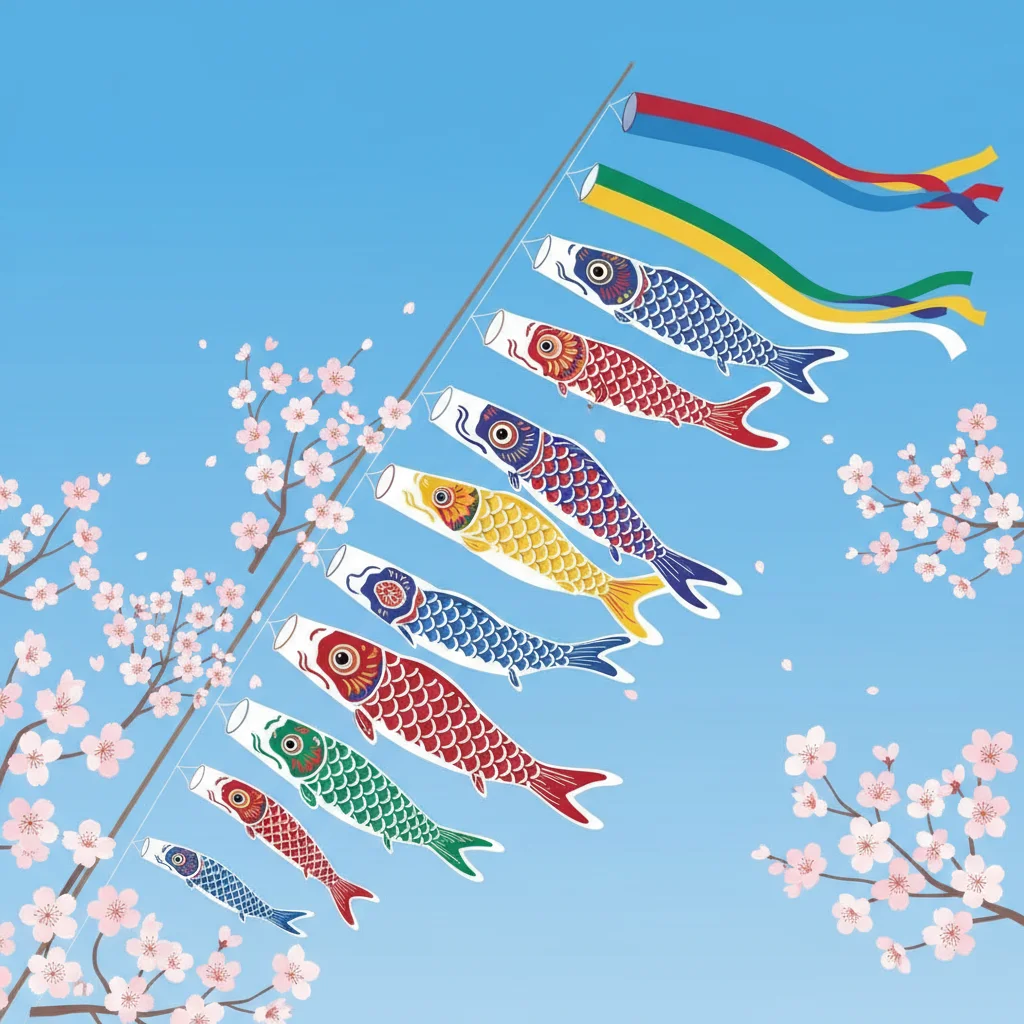
Kodomonohi: Celebrating Children's Day in Japan
Discovering Japanese Culture and Traditions Year 5 Social Sciences
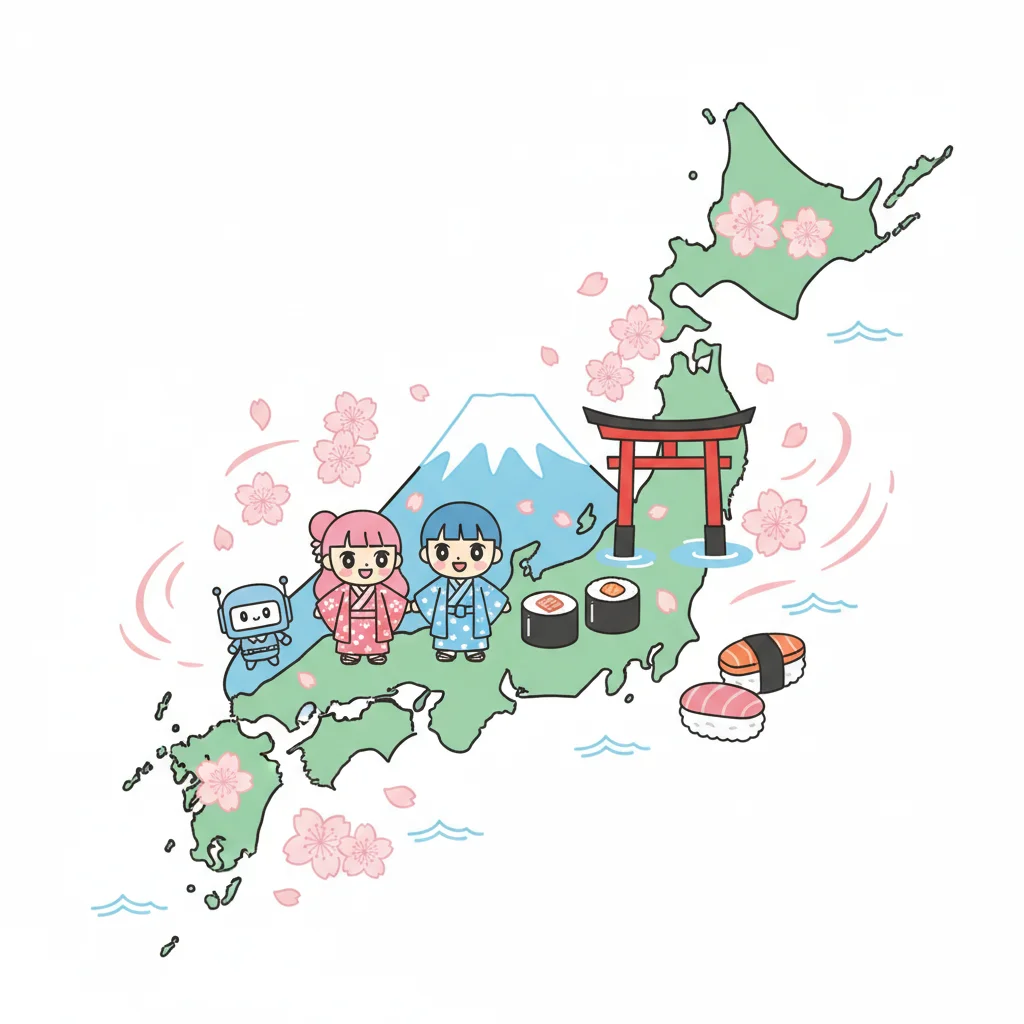
What Do You Know About Japan?
Think about what you already know about Japanese culture Have you seen Japanese cartoons, food, or traditions? What makes Japan special and different from Australia?
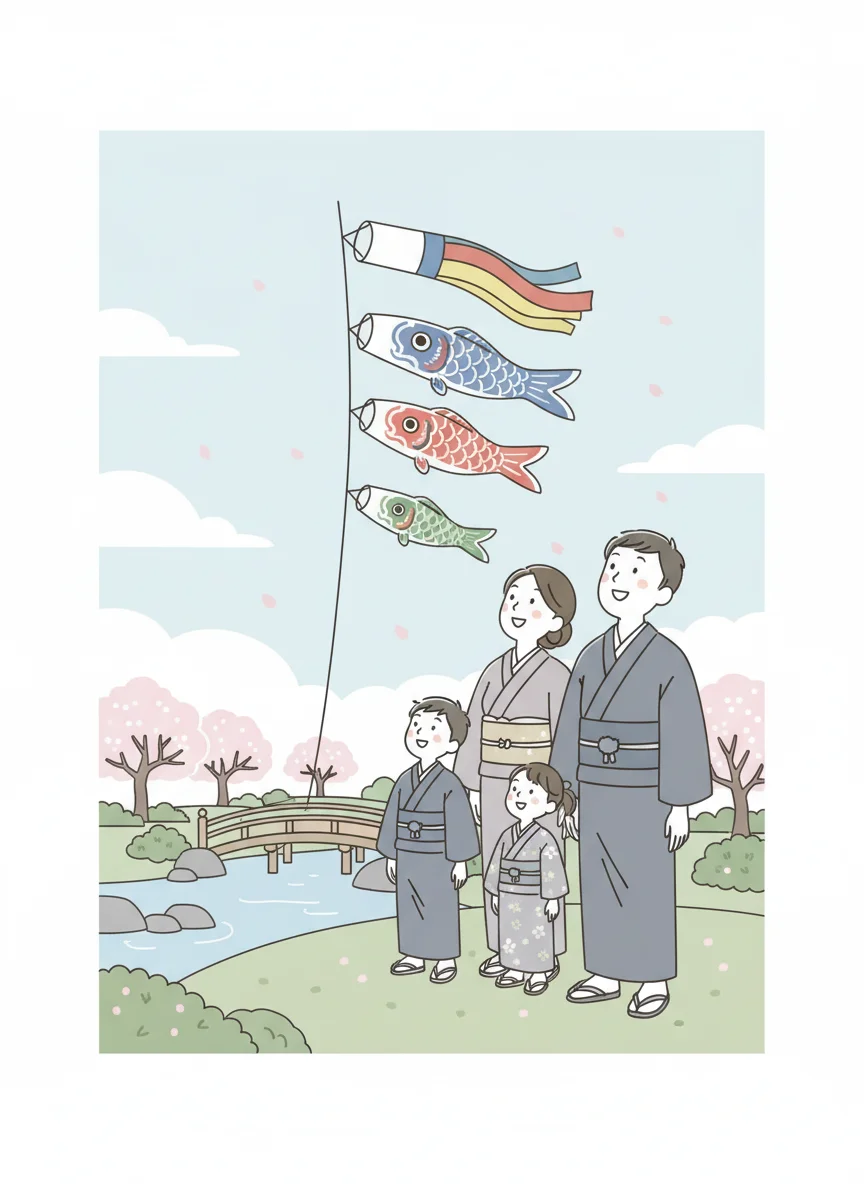
What is Kodomonohi?
Kodomonohi means 'Children's Day' in Japanese Celebrated every year on May 5th A national holiday in Japan Originally called 'Tango no Sekku' (Boys' Day) Now celebrates all children - boys and girls!
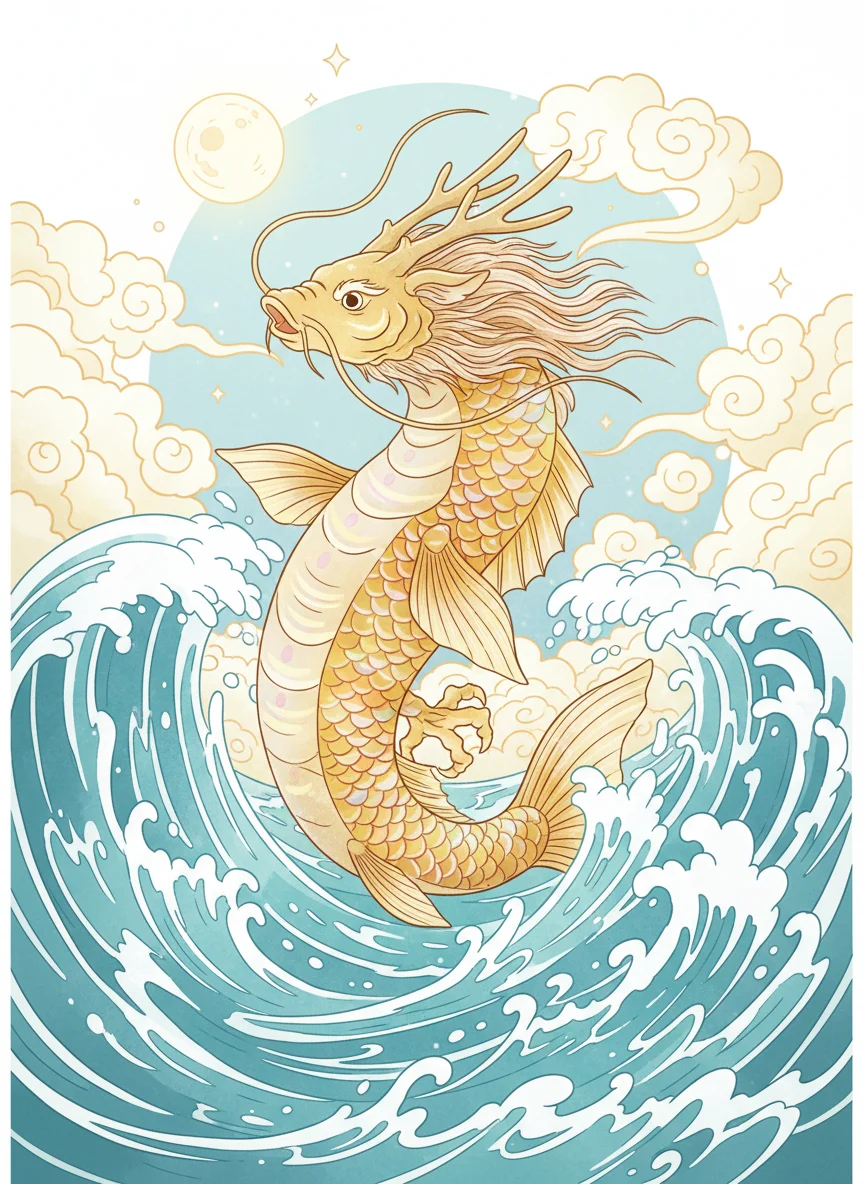
The Legend of the Carp
Carp fish are very strong and determined They can swim upstream against strong currents In Japanese stories, carp become dragons! Parents want children to be strong like carp Carp represent courage, strength and perseverance
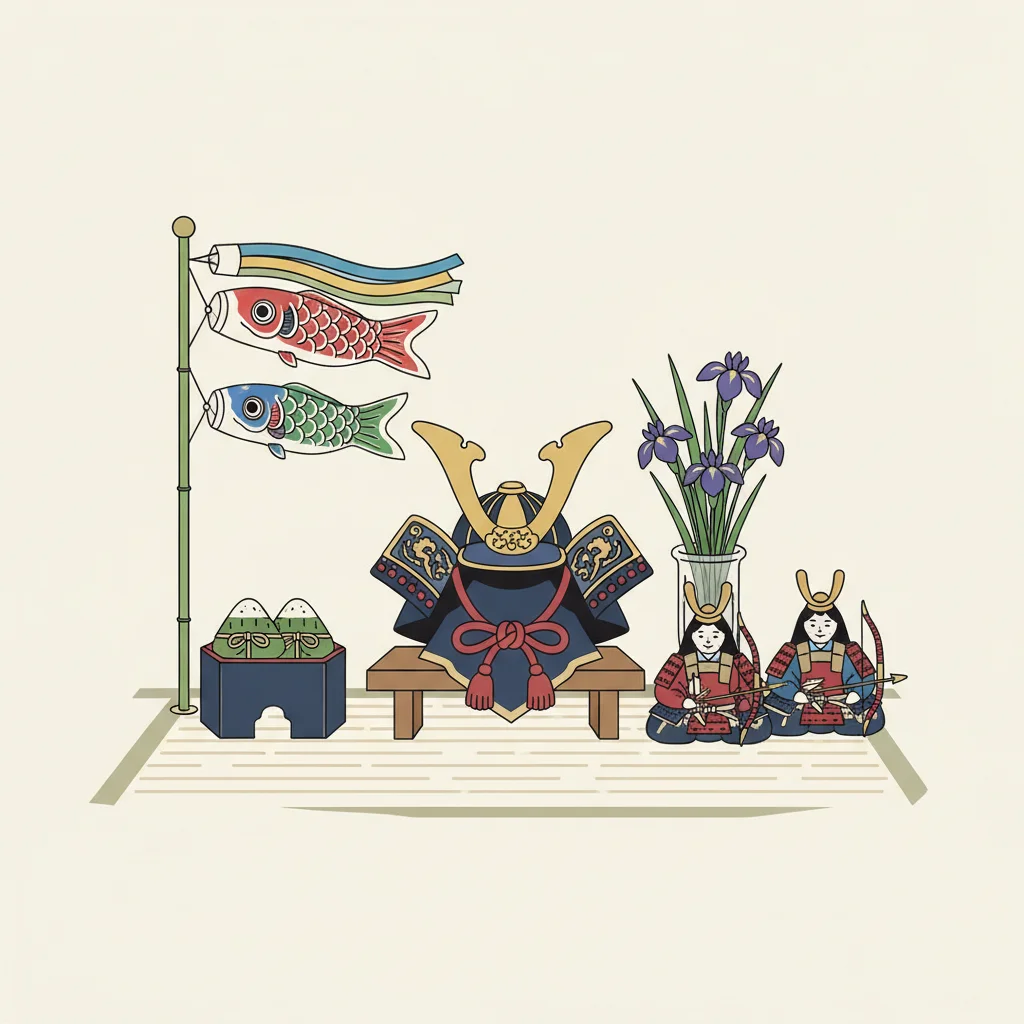
Traditional Kodomonohi Symbols
{"left":"Koinobori (carp streamers)\nKabuto (samurai helmets)\nIris flowers","right":"Kashiwa-mochi (rice cakes)\nGogatsu ningyo (warrior dolls)\nChimaki (wrapped rice dumplings)"}
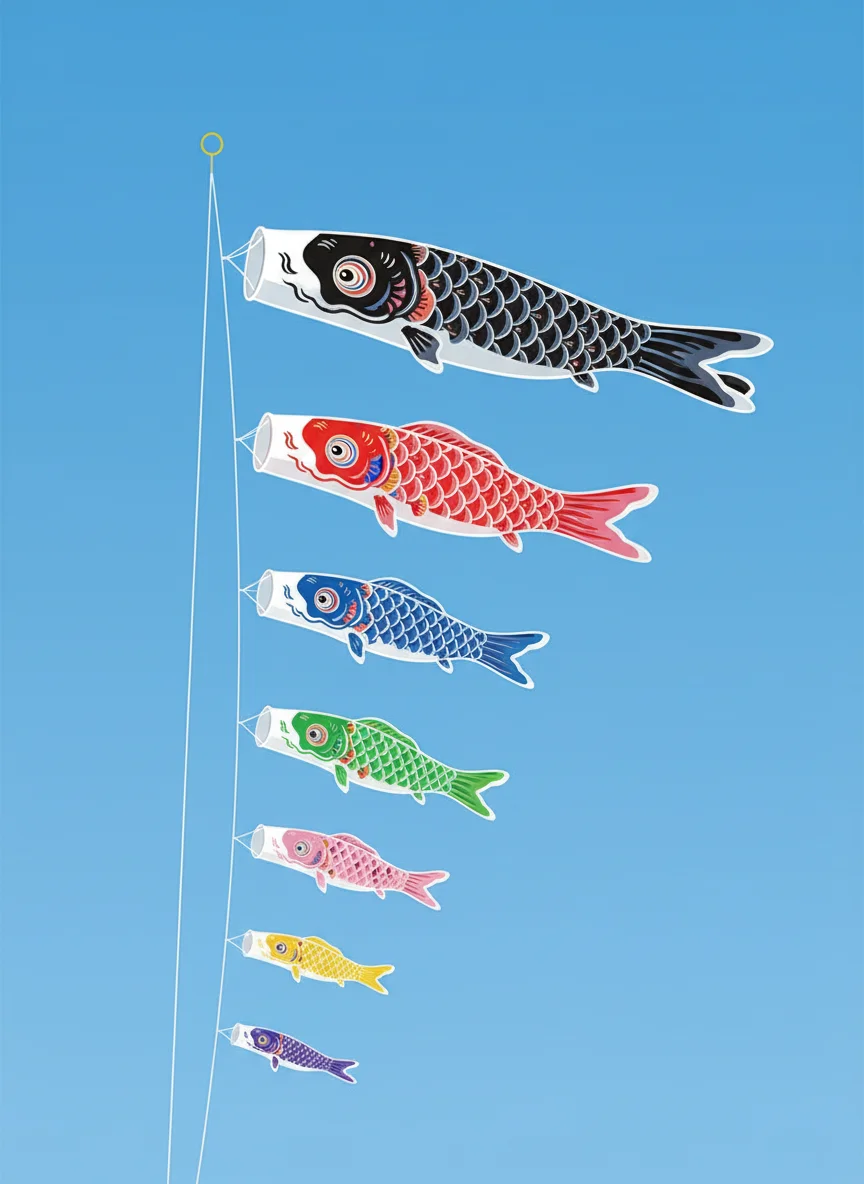
Koinobori: The Flying Carp
Colorful cloth or paper carp streamers Hung outside homes on tall poles Look like they're swimming in the wind Different sizes for family members Black carp = father, red = mother, smaller ones = children
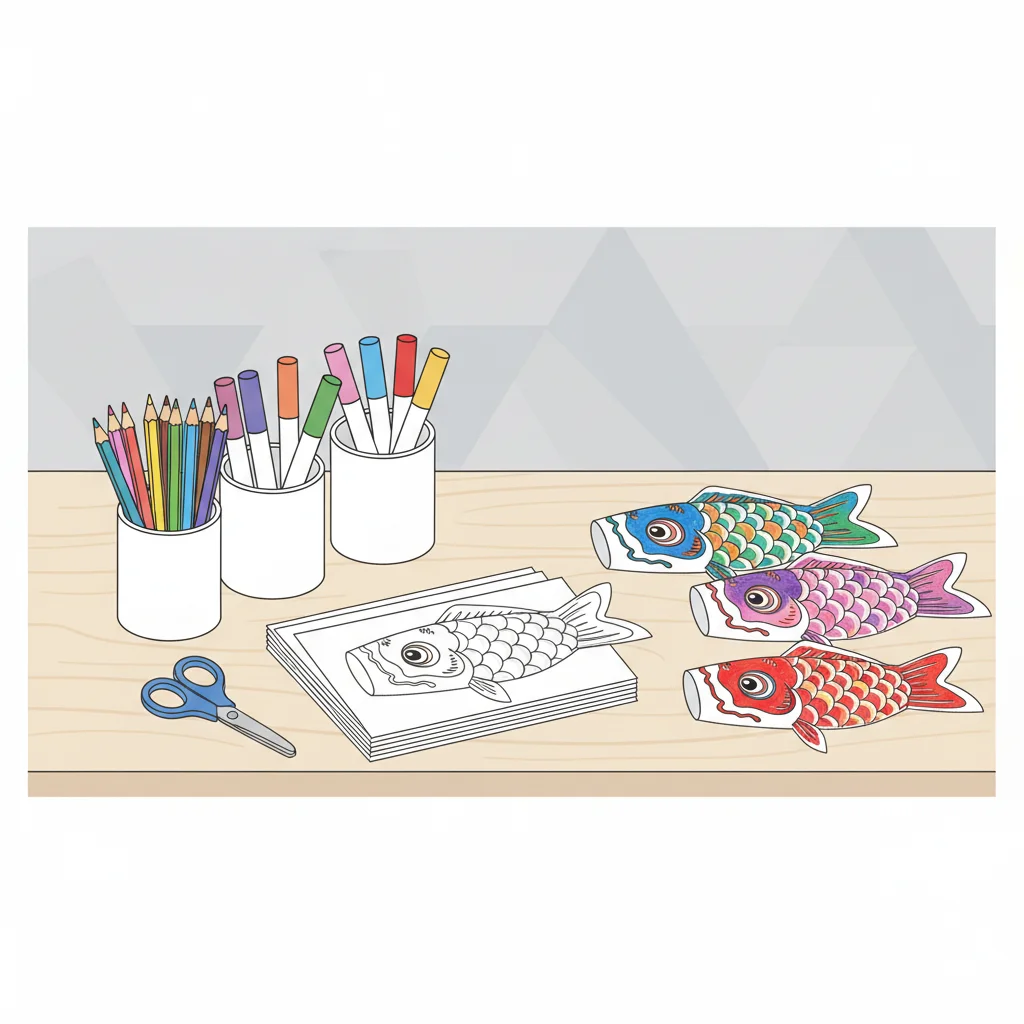
Make Your Own Koinobori!
Draw and color your own carp design Use bright colors like red, blue, yellow Add scales, eyes, and flowing fins Think about what the carp means to you Share your design with a partner
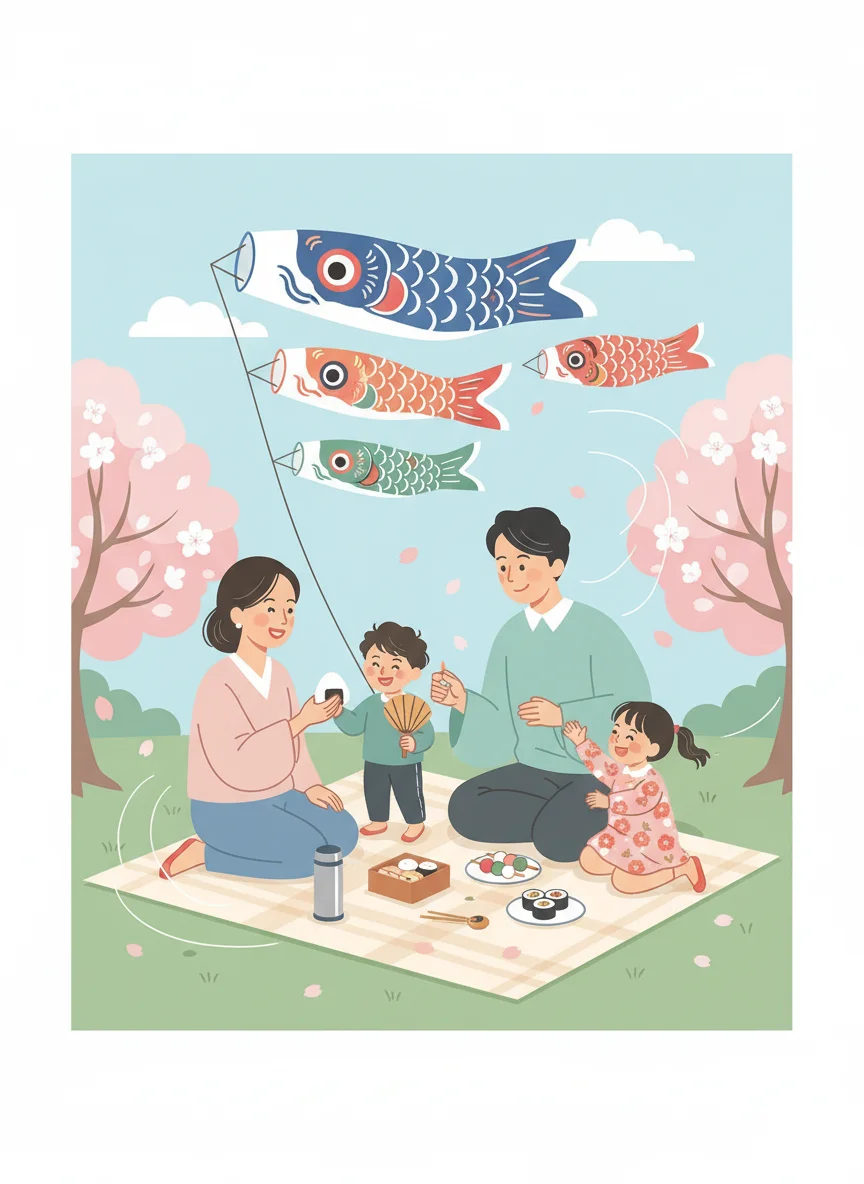
How Japanese Families Celebrate
Families display koinobori outside their homes Special foods like kashiwa-mochi are eaten Children receive gifts and encouragement Families visit shrines and parks Children learn about being strong and brave
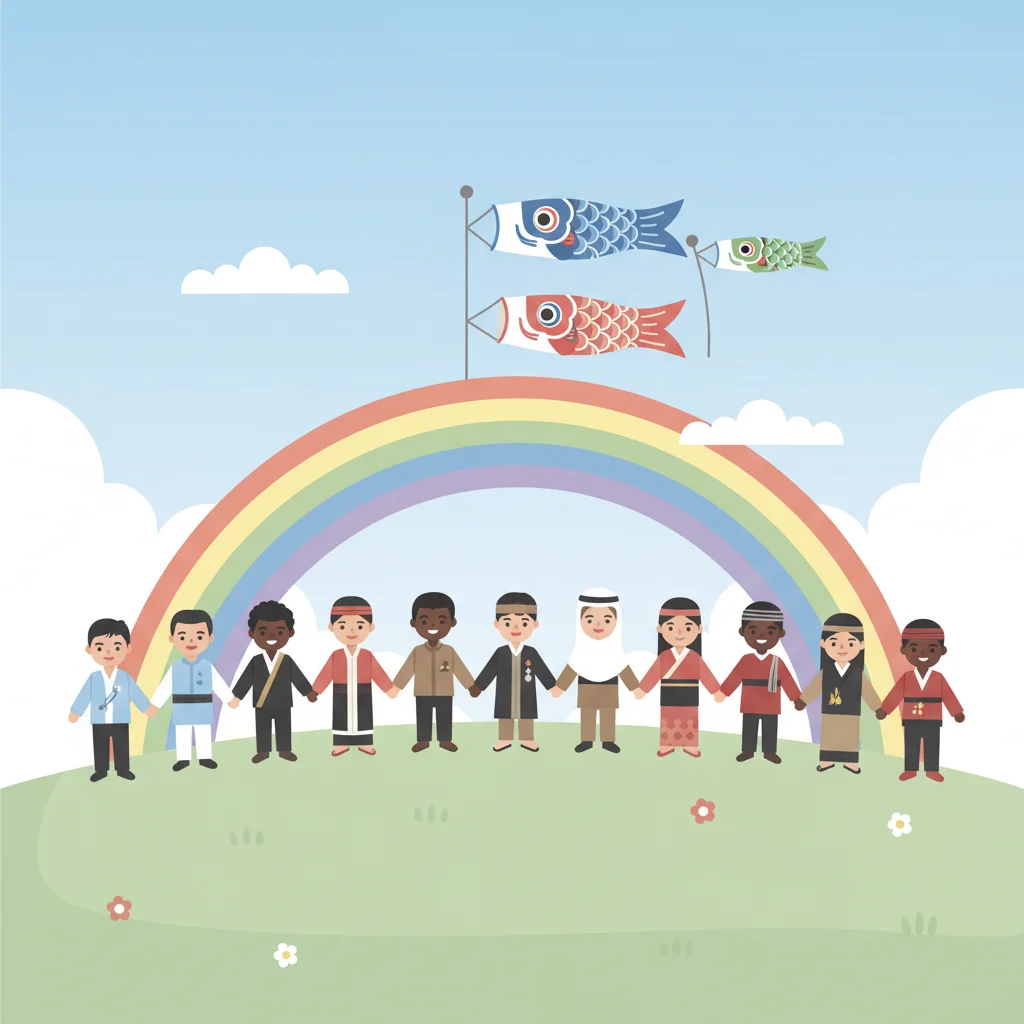
Celebrating Children Everywhere
'Every child is special and has the strength to overcome challenges, just like the carp swimming upstream.'
1 more slide available after you open the deck.
Download all 10 slides