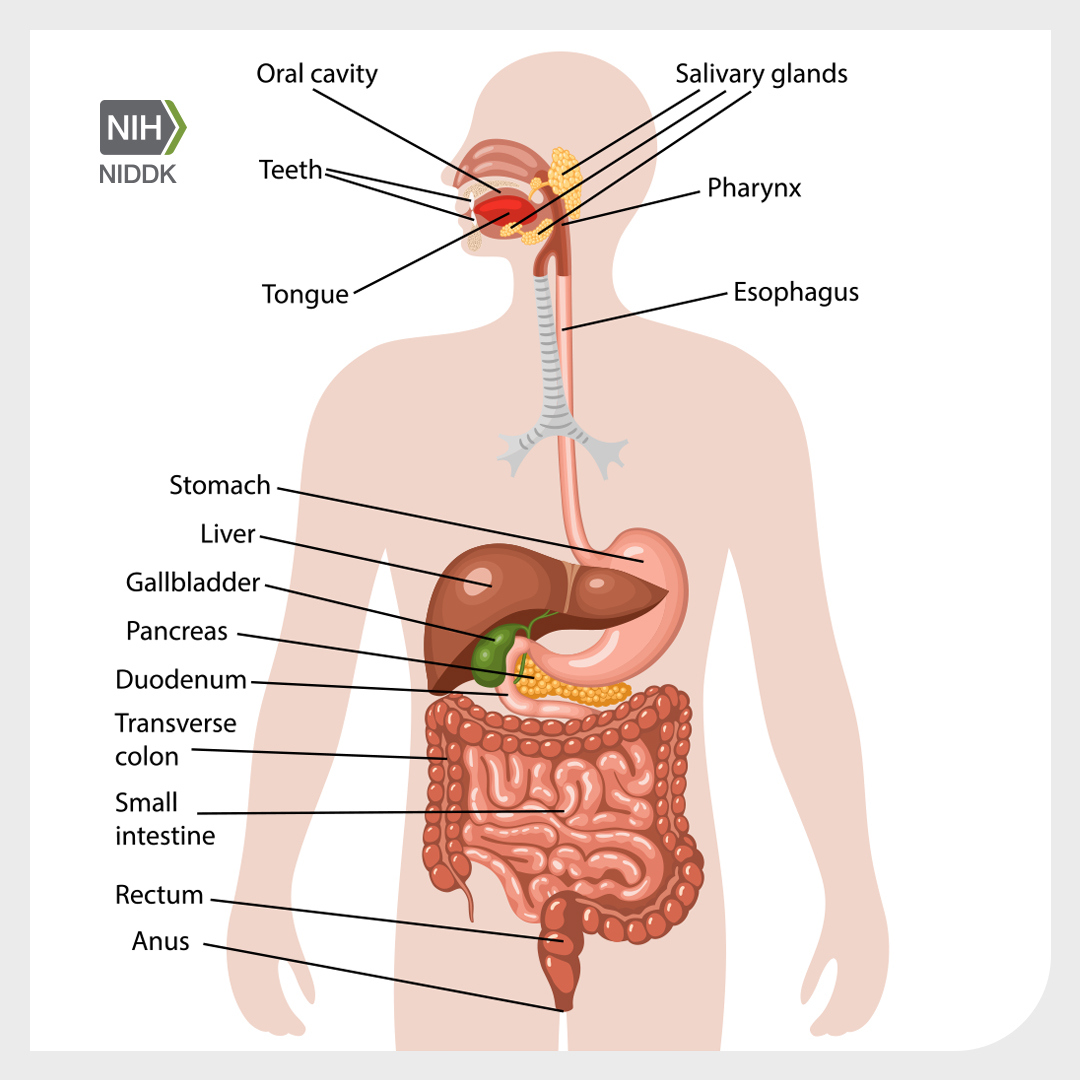
Human Digestive System Structure & Function
Year 11 Biology Understanding how we break down and absorb nutrients Structure meets function in biological systems
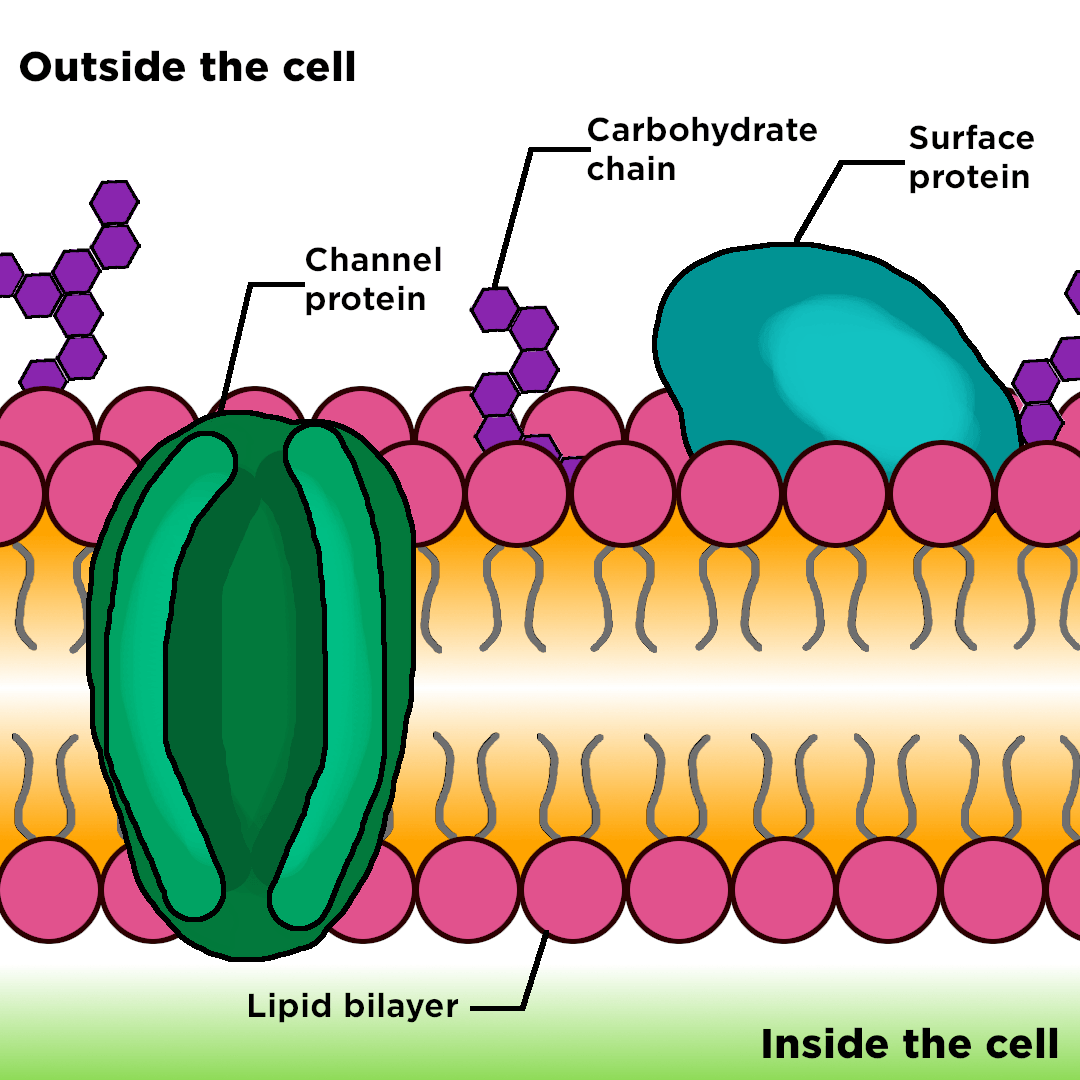
Why Can't We Absorb Food in Its Original Form?
Think about eating an apple... What needs to happen before nutrients enter our bloodstream? Consider the size of food molecules vs. cell membranes
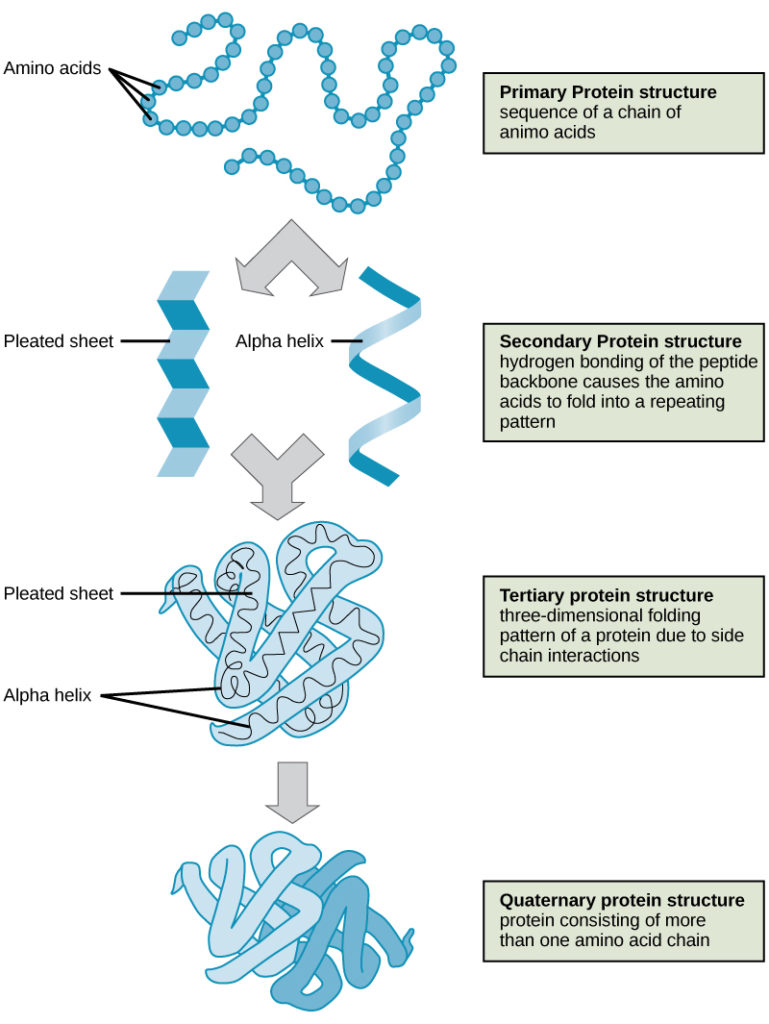
The Big Idea: Why We Need Digestion
Food molecules are too LARGE to cross cell membranes Digestion breaks large molecules into smaller, absorbable units Two types of digestion work together: • Mechanical digestion - physical breakdown • Chemical digestion - enzyme action
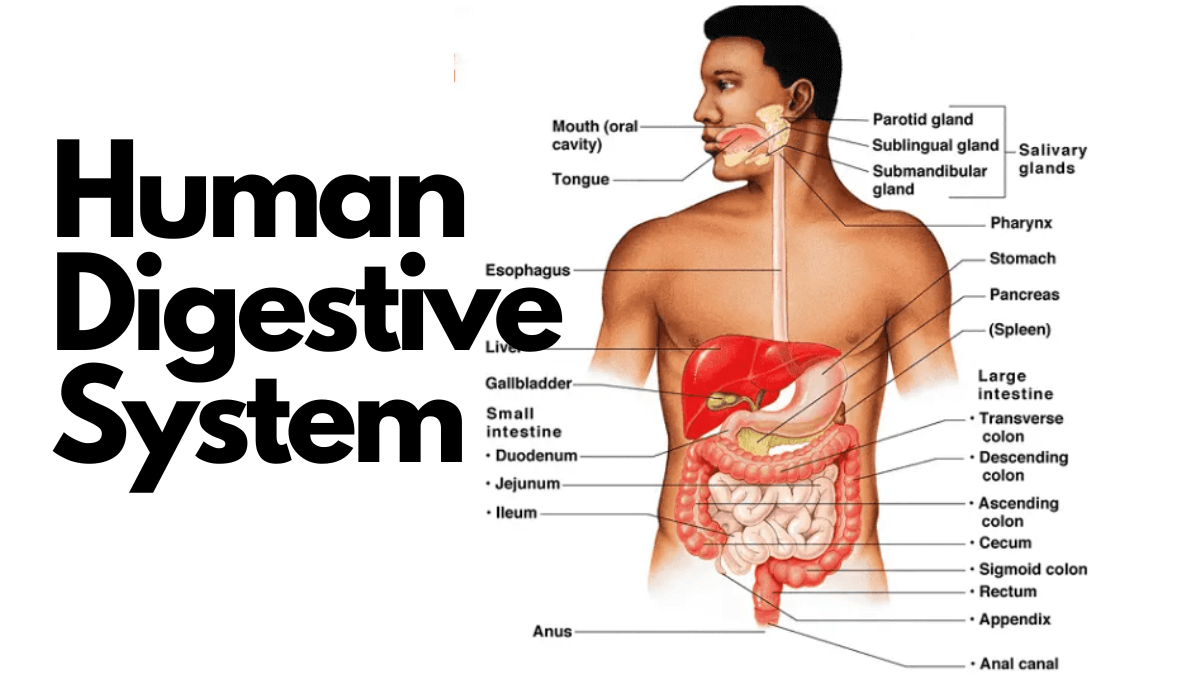
Human Digestive System Overview
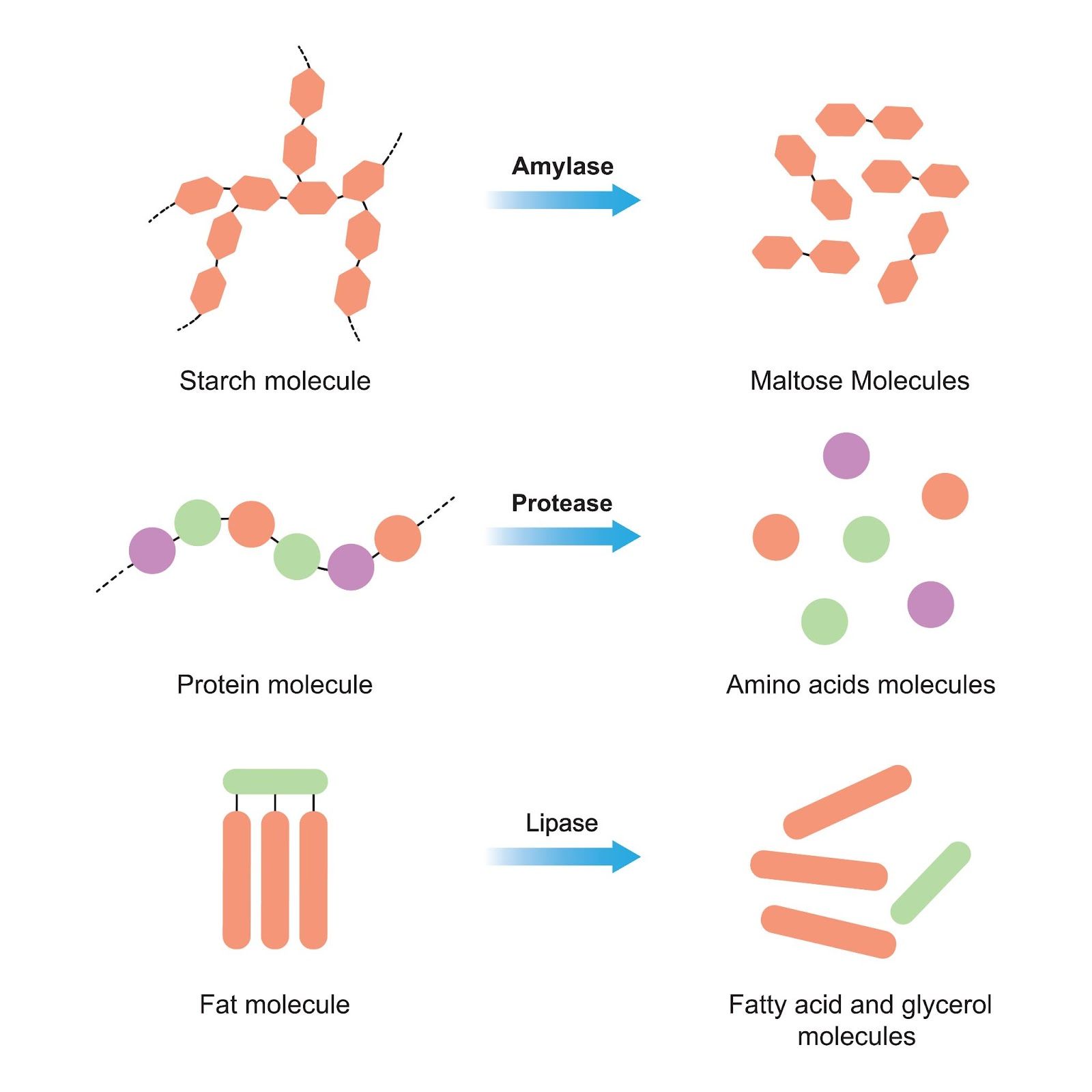
Enzyme Matching Challenge
Match each enzyme with its substrate and product: Amylase breaks down _____ into _____ Pepsin breaks down _____ into _____ Lipase breaks down _____ into _____ Work in pairs to complete Worksheet Section B
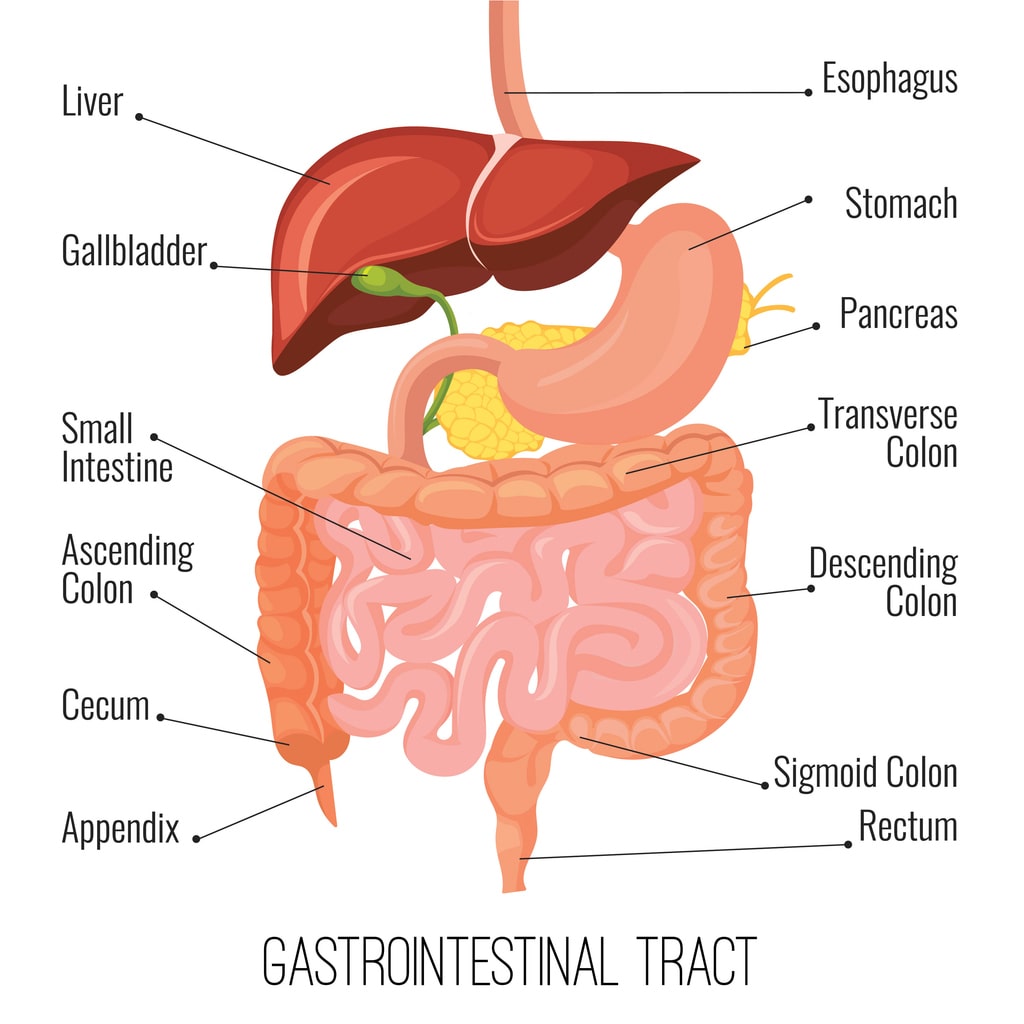
Structure Meets Function in Digestion
{"left":"Stomach has thick muscular walls for churning food mechanically\nStomach produces hydrochloric acid for chemical breakdown\nSmall intestine is very long (6-7 meters) for maximum absorption time","right":"Small intestine has folded walls to increase surface area\nLiver produces bile to emulsify fats\nPancreas produces multiple enzymes for different food types"}

Villi: Maximizing Absorption Efficiency
Tiny finger-like projections in small intestine Increase surface area by 600 times Each villus contains: • Blood capillaries for water-soluble nutrients • Lacteal (lymph vessel) for fat-soluble nutrients Single cell thick for efficient diffusion

Exit Ticket: Putting It All Together
Explain why food must be digested before absorption Include both mechanical and chemical digestion in your answer Success criteria: ✓ Mention molecular size ✓ Explain enzyme function ✓ Connect structure to function