
Human Body Systems and Innovations
Science and Technology Year 5 NSW Curriculum
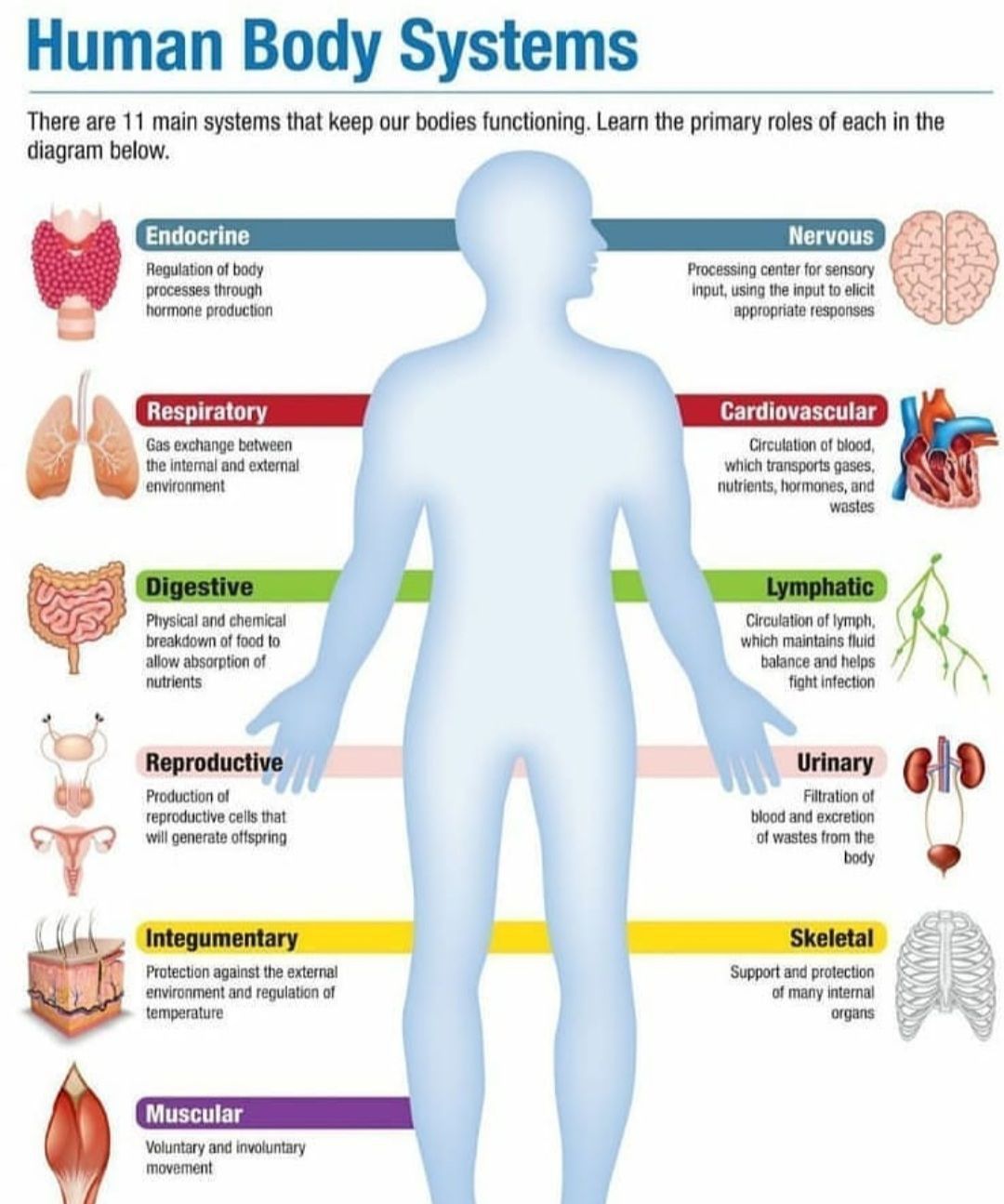
WALT: Identify the Three Main Body Systems
We Are Learning To identify the digestive, respiratory, and circulatory systems Success Criteria: I can name each system and explain what it does I can point to where each system is located in my body I can describe why these systems are important for survival
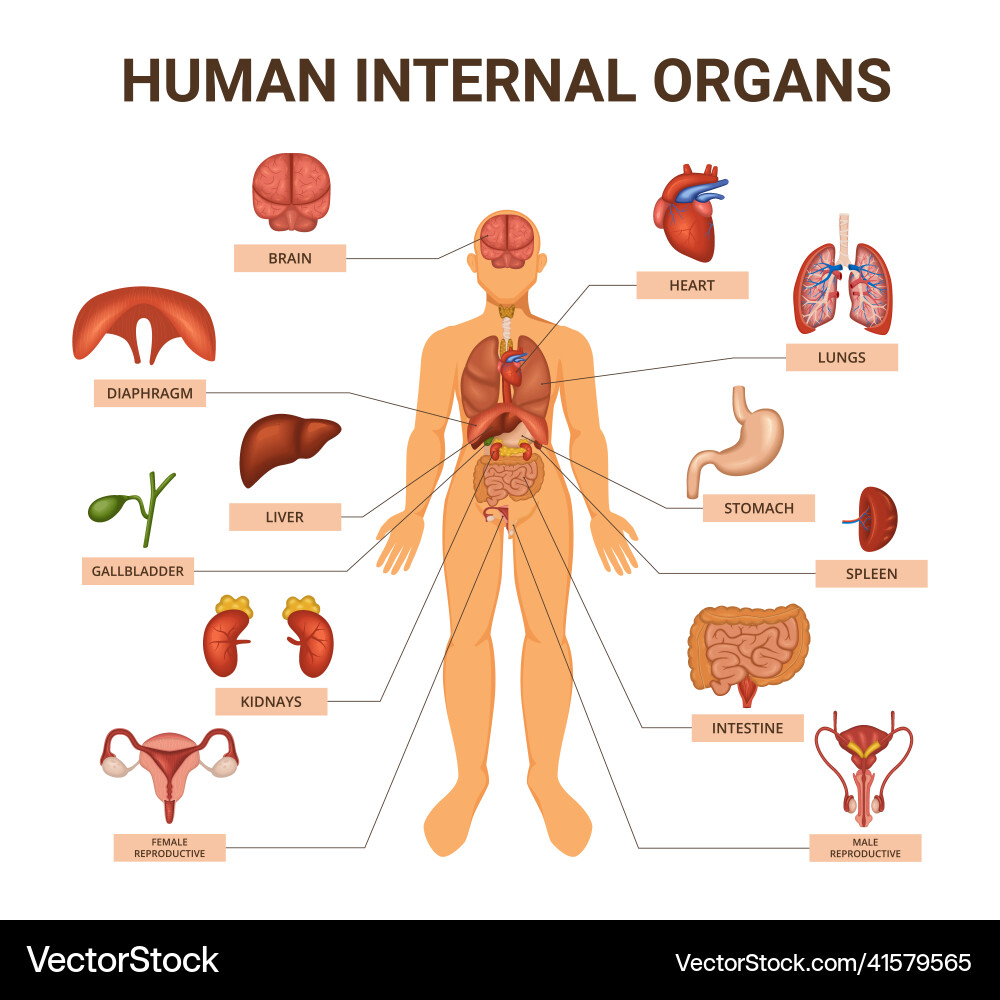
Body Systems Sorting Activity
Sort the organ cards into the correct body system Work in pairs to discuss each organ's function Challenge: Can you name an additional organ for each system?
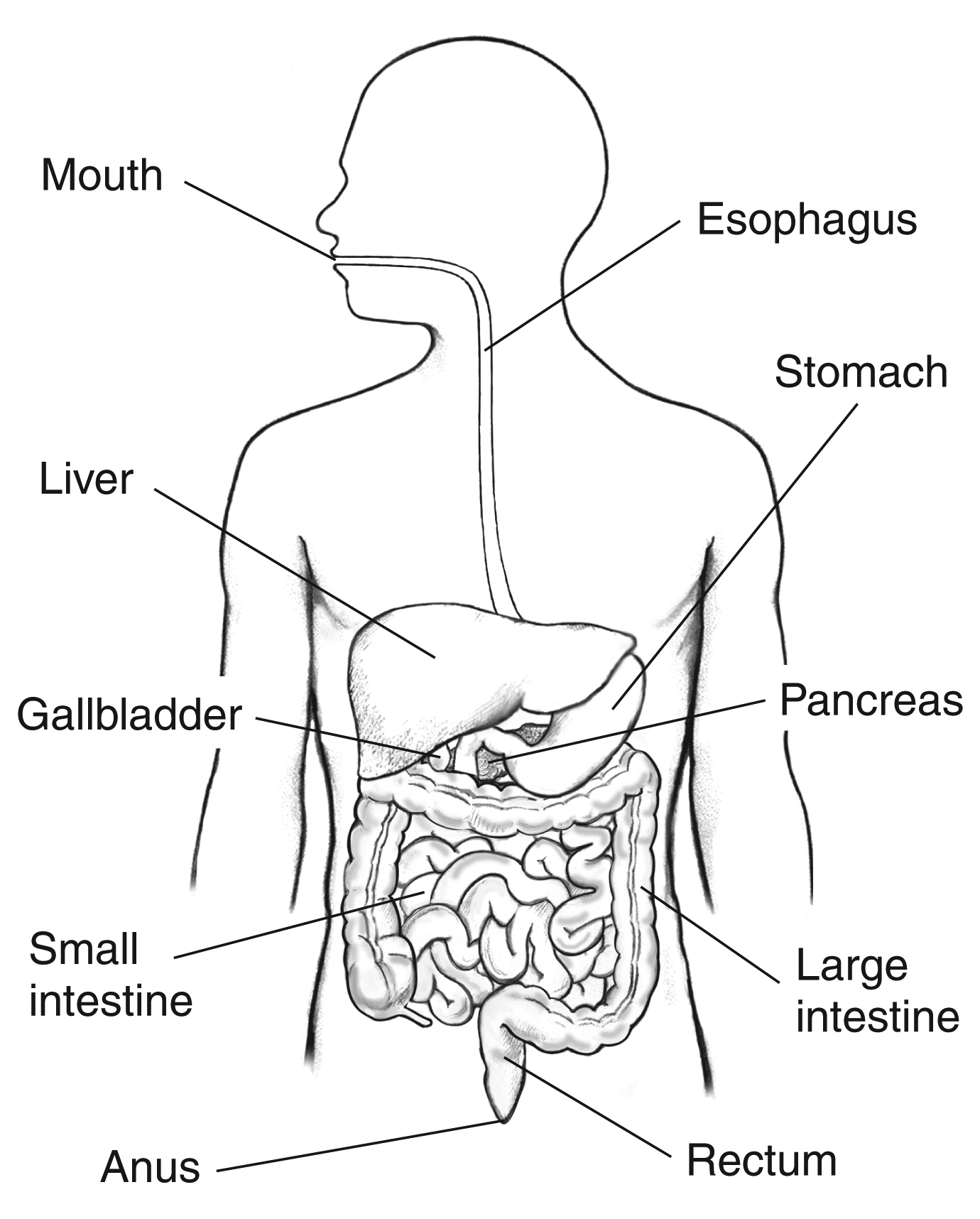
The Digestive System
Breaks down food into nutrients our body can use Main organs: mouth, stomach, small intestine, large intestine Journey of food: mouth → stomach → intestines Takes about 24-72 hours to complete digestion

Think-Pair-Share
What happens to an apple when you eat it? Discuss with your partner the journey through your digestive system Be ready to share one interesting fact you learned

The Respiratory System
Brings oxygen into the body and removes carbon dioxide Main organs: nose, trachea, lungs, diaphragm Breathing process: inhale oxygen, exhale carbon dioxide We breathe about 20,000 times per day!

Lung Capacity Investigation
Measure lung capacity using balloons Compare results before and after exercise Record data in your science journal What patterns do you notice?

The Circulatory System
Transports blood, oxygen, and nutrients throughout the body Main organs: heart, blood vessels (arteries, veins, capillaries) Heart pumps blood around the body continuously Your heart beats about 100,000 times per day!
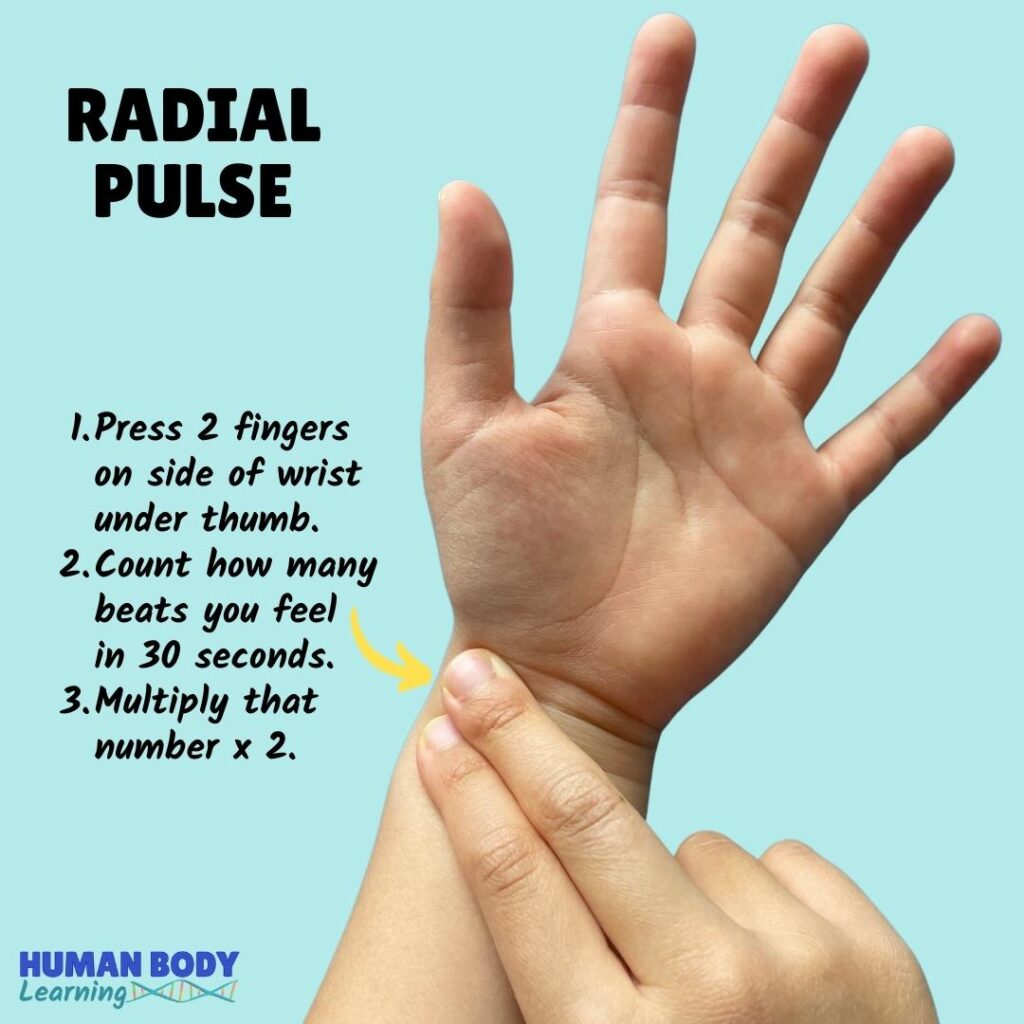
Pulse Rate Investigation
Find your pulse and count beats per minute Test pulse rate before, during, and after exercise Record results in a data table Create a graph showing your findings
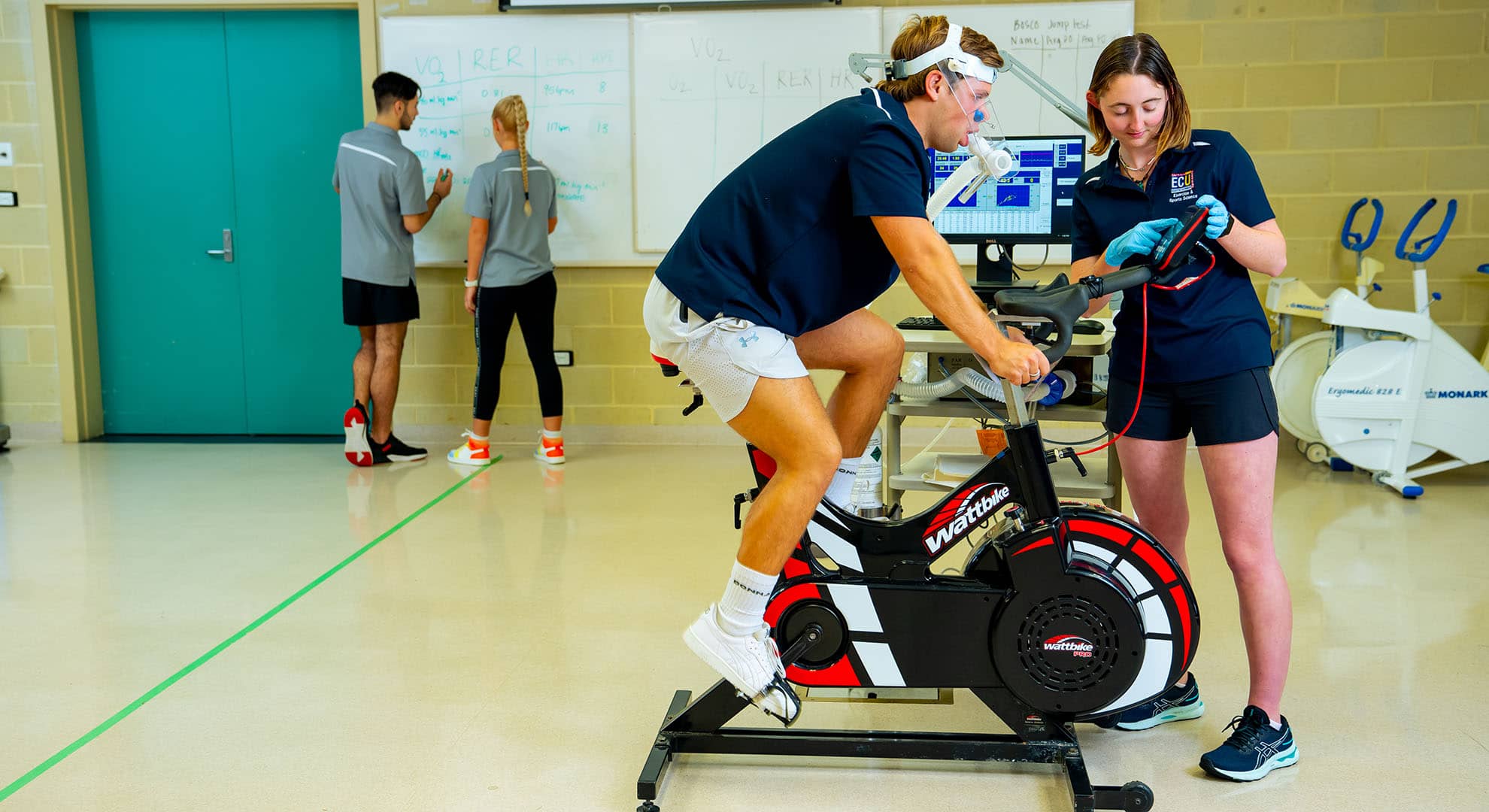
How Exercise Affects Your Body Systems

WALT: Understand Human Adaptations
We Are Learning To identify structural and behavioral adaptations in humans Success Criteria: I can explain what adaptations are I can give examples of human structural adaptations I can describe human behavioral adaptations
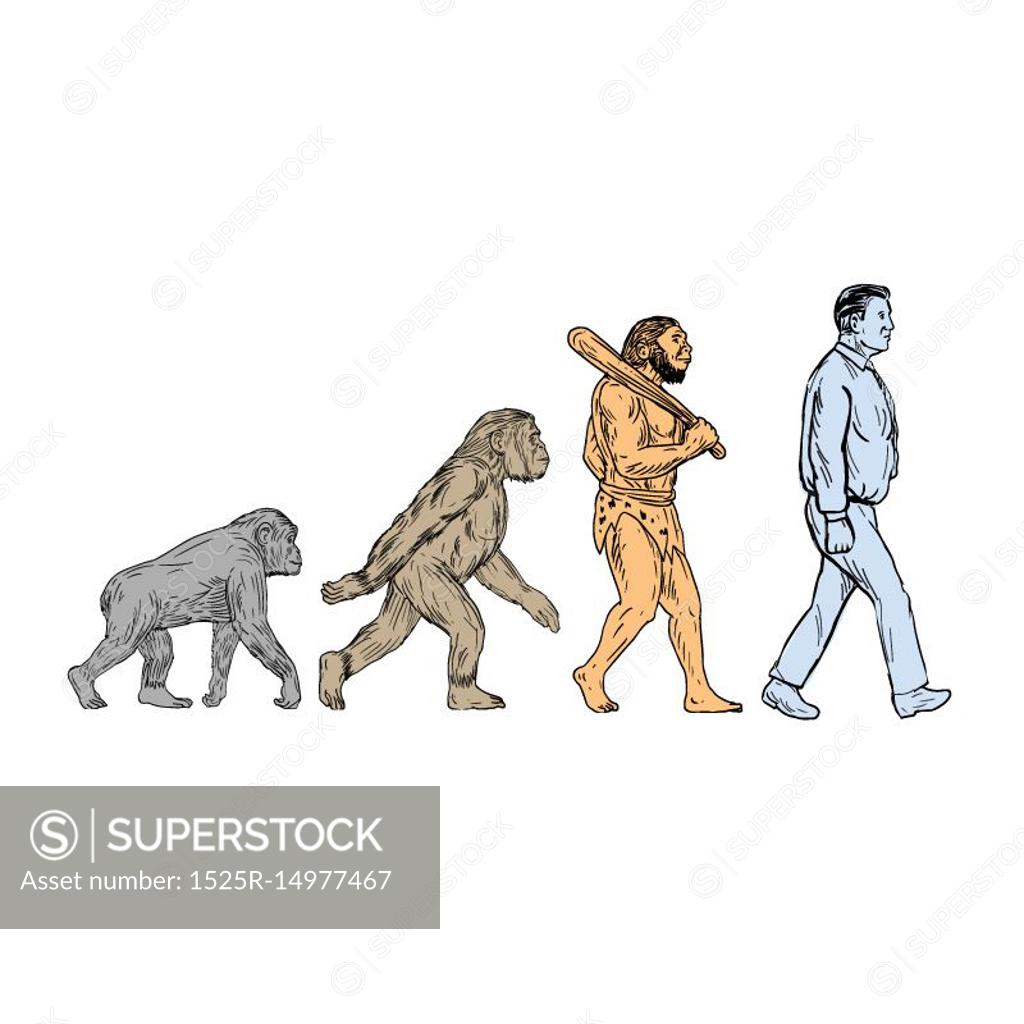
Structural vs Behavioral Adaptations
{"left":"Physical features of the body\nOpposable thumbs for gripping\nUpright walking posture\nLarge brain capacity","right":"Actions and behaviors we learn\nUsing tools and technology\nLanguage and communication\nWearing clothes for protection"}
20 more slides available after you open the deck.
Download all 32 slides