
High-Performance Teams Win Together
Quality drives trust Trust drives engagement Engagement drives reward
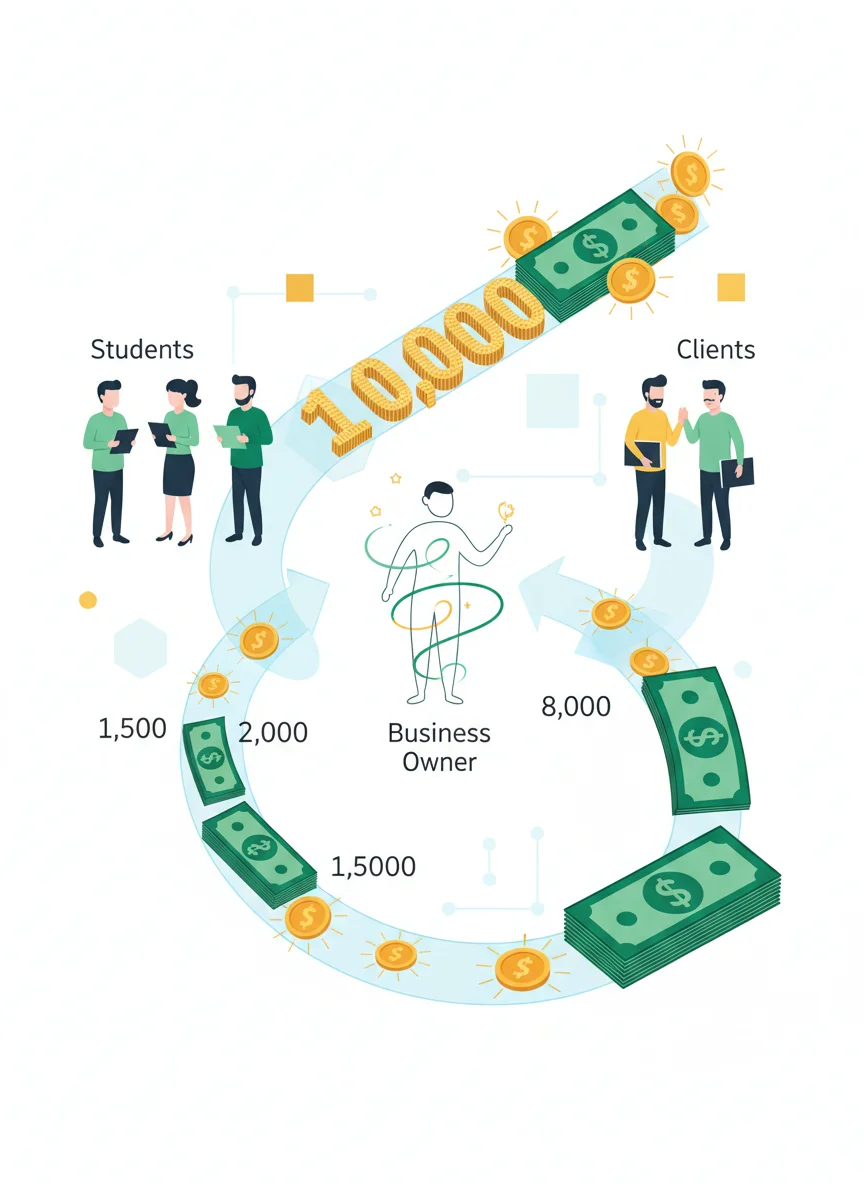
The Business Model
Base payment: $2,500 for B standard work Excellence bonus: $1,500 extra for A+ (total $4,000) Client contract: $5,000 per design Engagement fee: $1,500 when clients are satisfied

What Makes a High-Performance Team?
18 out of 23 students achieving B+ or higher Majority delivering excellent work consistently Strong reputation with clients Collective commitment to quality standards
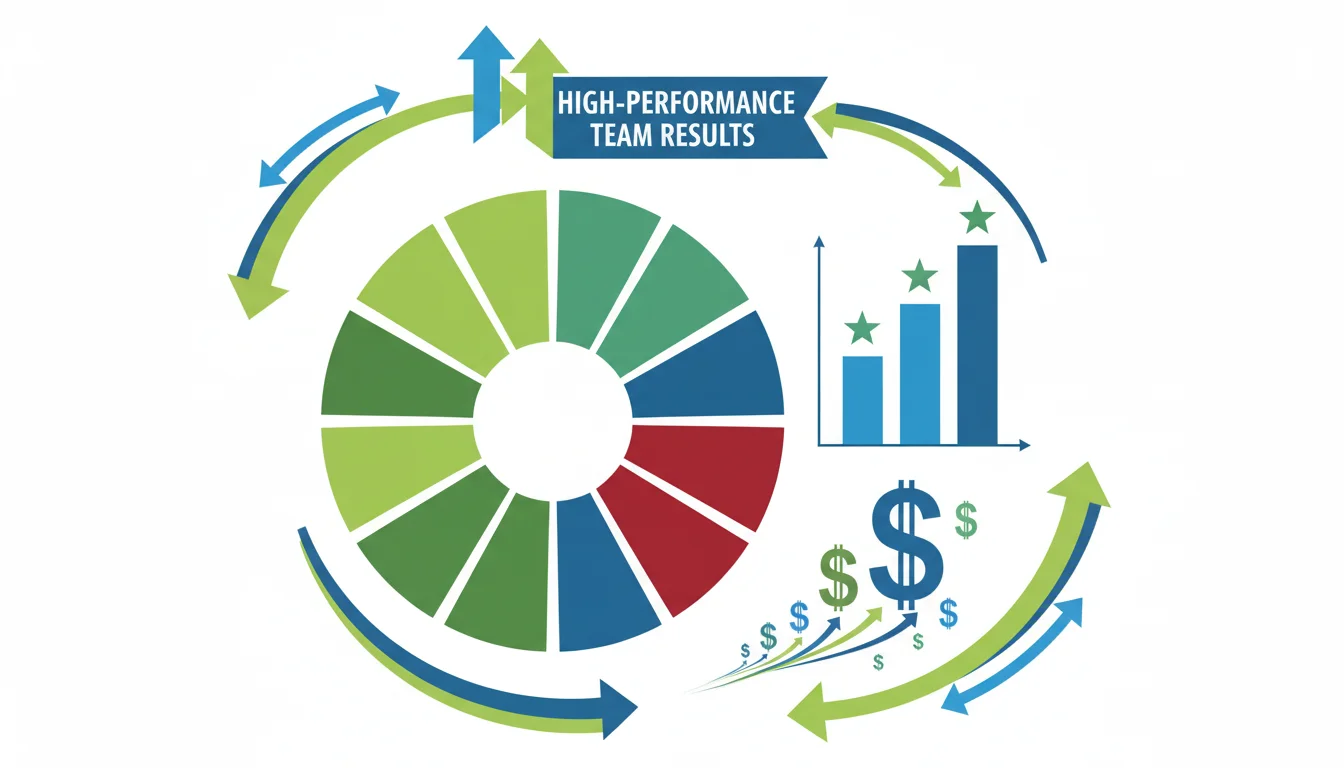
High-Performance Team Scenario

High-Performance Team Benefits
Most clients pay the $1,500 engagement fee Business owner earns strong revenue More students qualify for $1,500 bonuses Team reputation attracts better projects Success creates momentum for future work
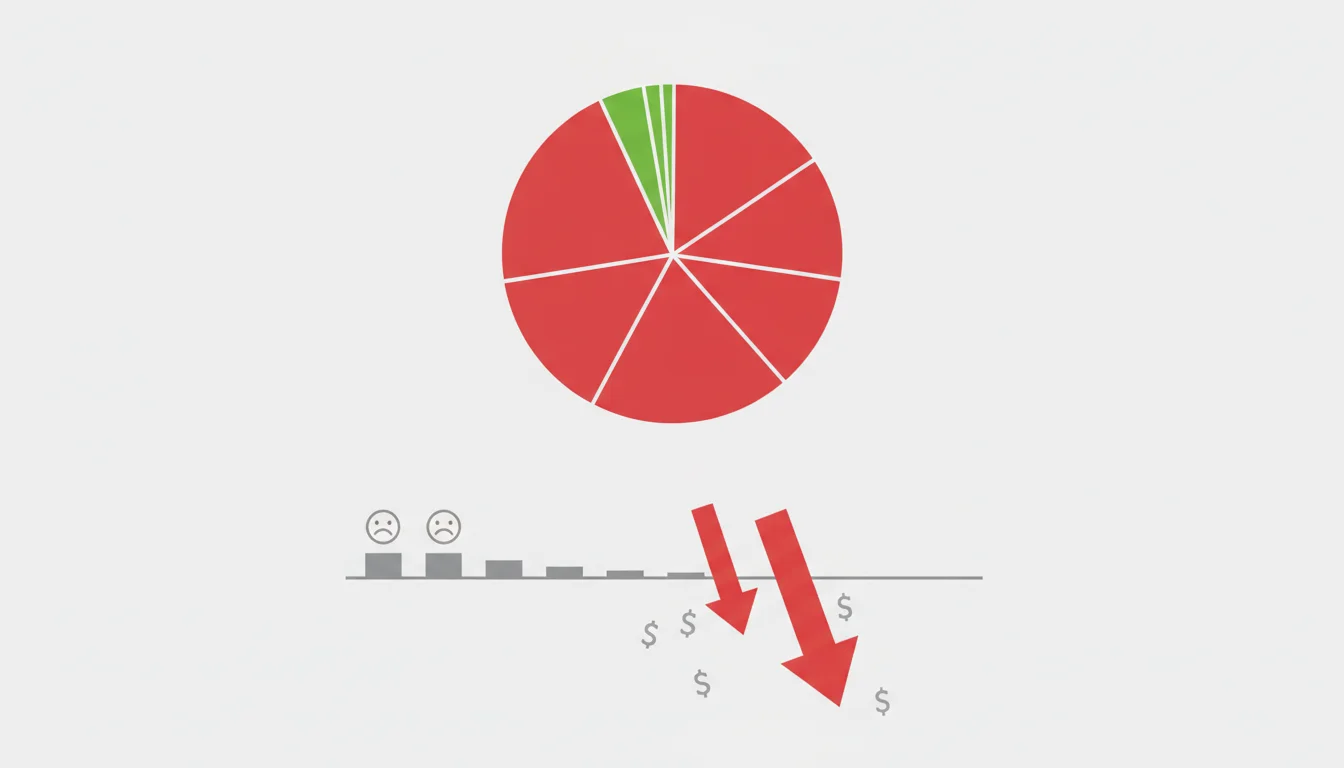
Low-Performance Team Scenario

Low-Performance Team Consequences
Few clients pay engagement fees Business owner struggles with low revenue Most students miss out on bonuses Team reputation suffers Fewer quality projects offered in future

The Tale of Two Teams
{"left":"HIGH-PERFORMANCE: 18/23 students succeed, Most clients engage, $27,000+ engagement revenue, 12+ students earn bonuses","right":"LOW-PERFORMANCE: 3/23 students succeed, Few clients engage, $4,500 engagement revenue, 3 students earn bonuses"}

Calculate Your Team's Potential
If YOUR team has 18 high performers: • How much total engagement revenue? • How many students earn bonuses? • What's the team's total earnings? Work in pairs to calculate the difference between high and low performance scenarios

The Knockout Punch
"Real projects are not judged by the best person in the room. They are judged by the standard the whole team can deliver." Your individual success is tied to your team's collective performance. High-performance teams create more opportunities for everyone.