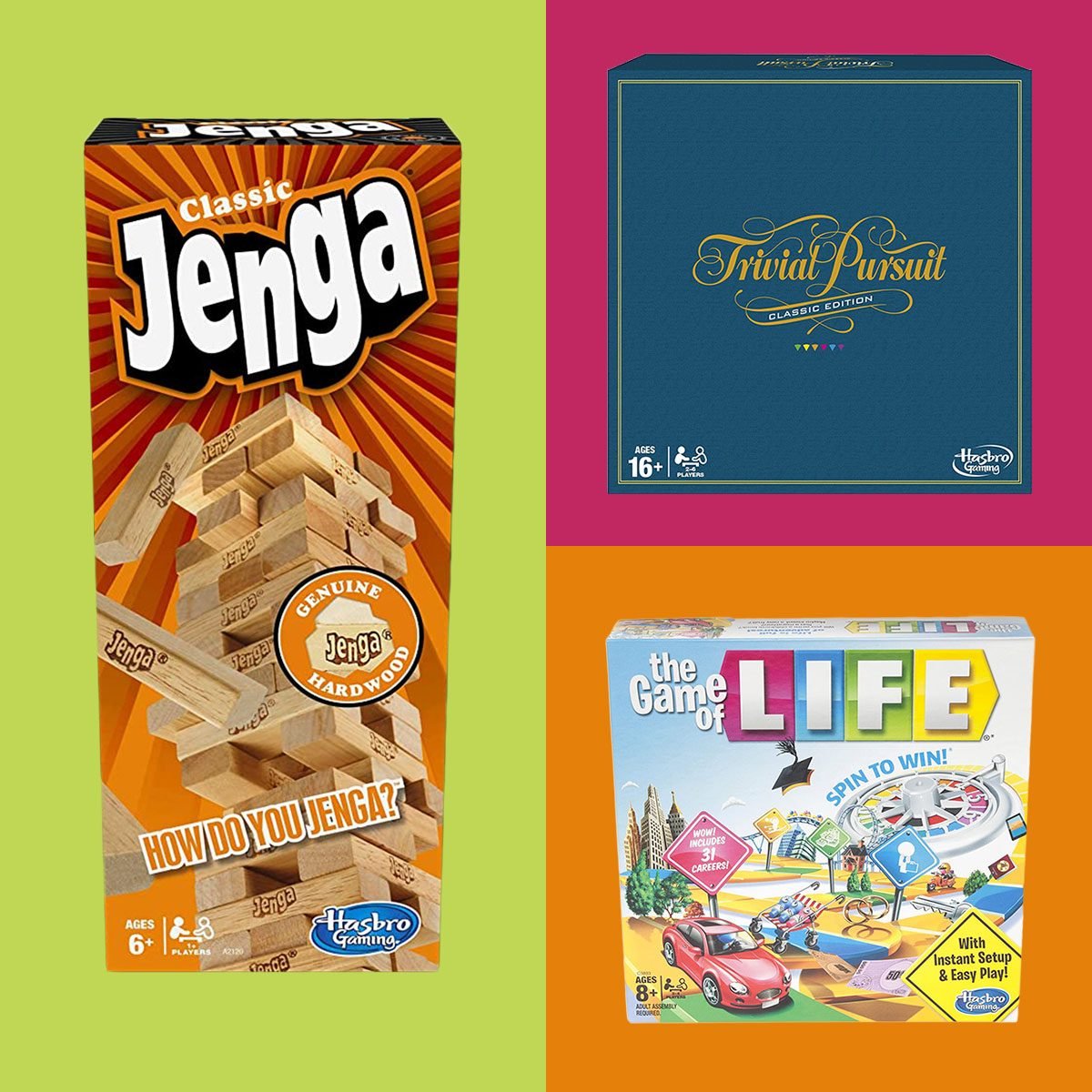
Game Design Meets Algebra Adventures
Year 9 Mathematics Exploring the intersection of creativity and algebra Designing games that make math engaging

WALT: We Are Learning To
Understand the basics of game design Explore how algebra enhances gameplay Connect mathematical concepts to real-world applications Brainstorm creative game ideas using algebraic thinking
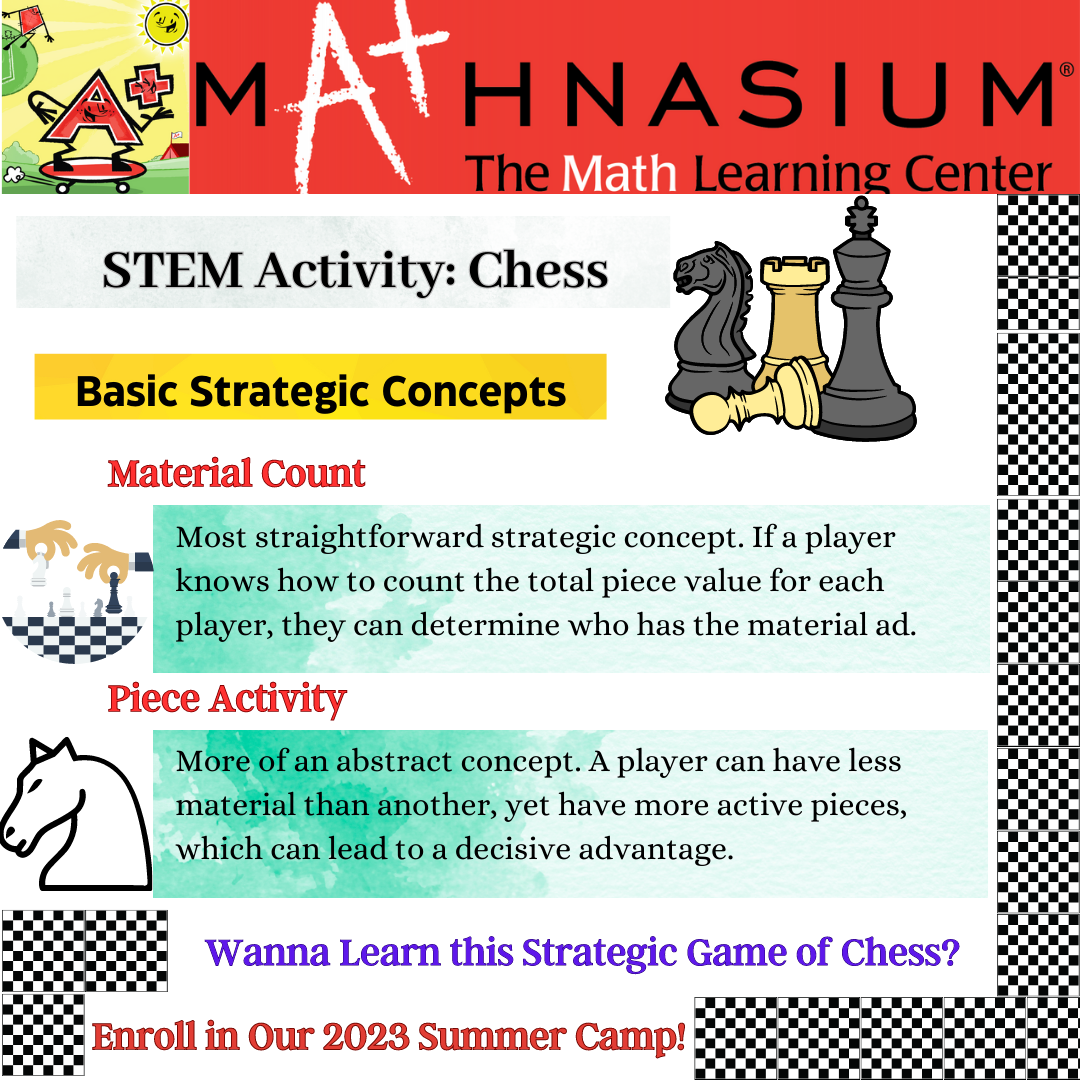
Hinge Point Question
Think about your favorite game (board game, video game, or sport) What mathematical concepts might be hidden in the rules or scoring? Share your thoughts with a partner
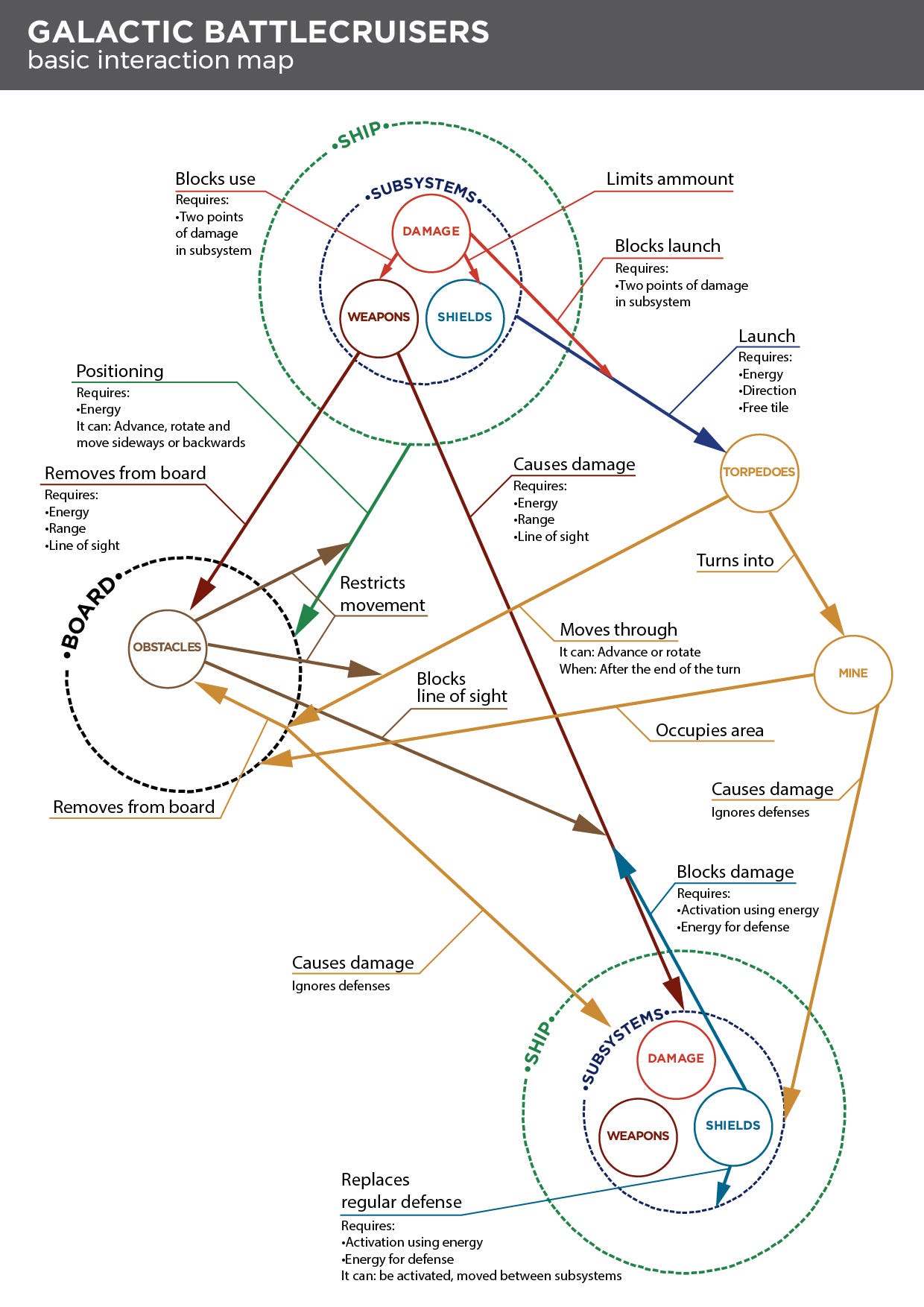
Elements of Great Game Design
Clear rules that players can understand Engaging objectives and goals Strategic choices and decision-making Balanced challenge and reward systems Meaningful feedback to players
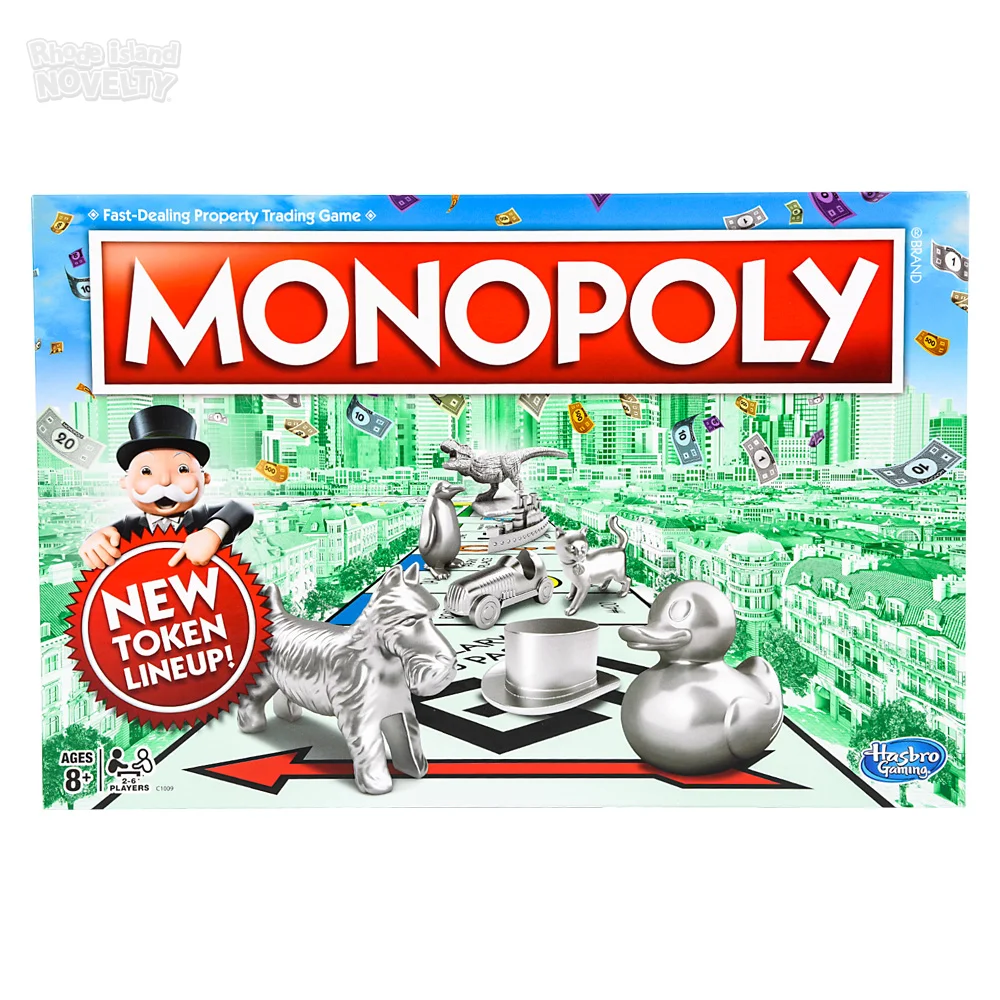
Algebra in Action: Game Examples
{"left":"Monopoly: Rent = Base Amount × Number of Houses\nRole-Playing Games: Damage = Weapon Power + Character Level\nSports: Team Rating = (Wins × 2) - Losses","right":"Card Games: Final Score = Points Earned - Penalty Points\nRacing Games: Lap Time = Base Time - Speed Bonus\nStrategy Games: Resource Cost = Base Cost × Difficulty Level"}
Collaborative Game Brainstorming
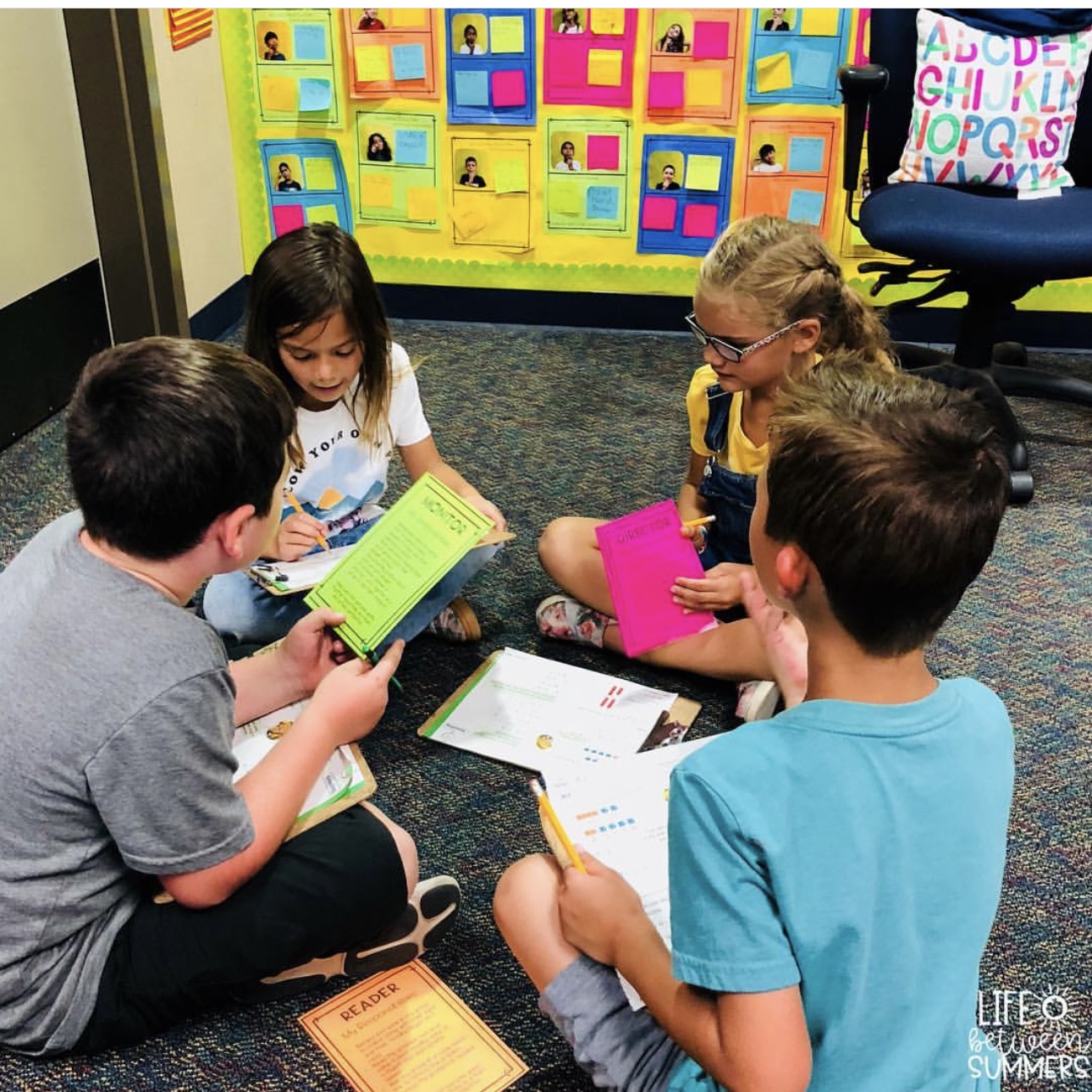
Form groups of 4-5 students Brainstorm a board game concept using algebraic expressions Consider: What variables will players control? How can equations add strategy to your game? Sketch your game board and write key rules

Success Criteria: Can You...
Describe at least 3 core elements of game design? Explain how algebraic expressions make games more strategic? Create a game concept that meaningfully uses algebra? Communicate how math skills apply in your design?
Exit Ticket Reflection
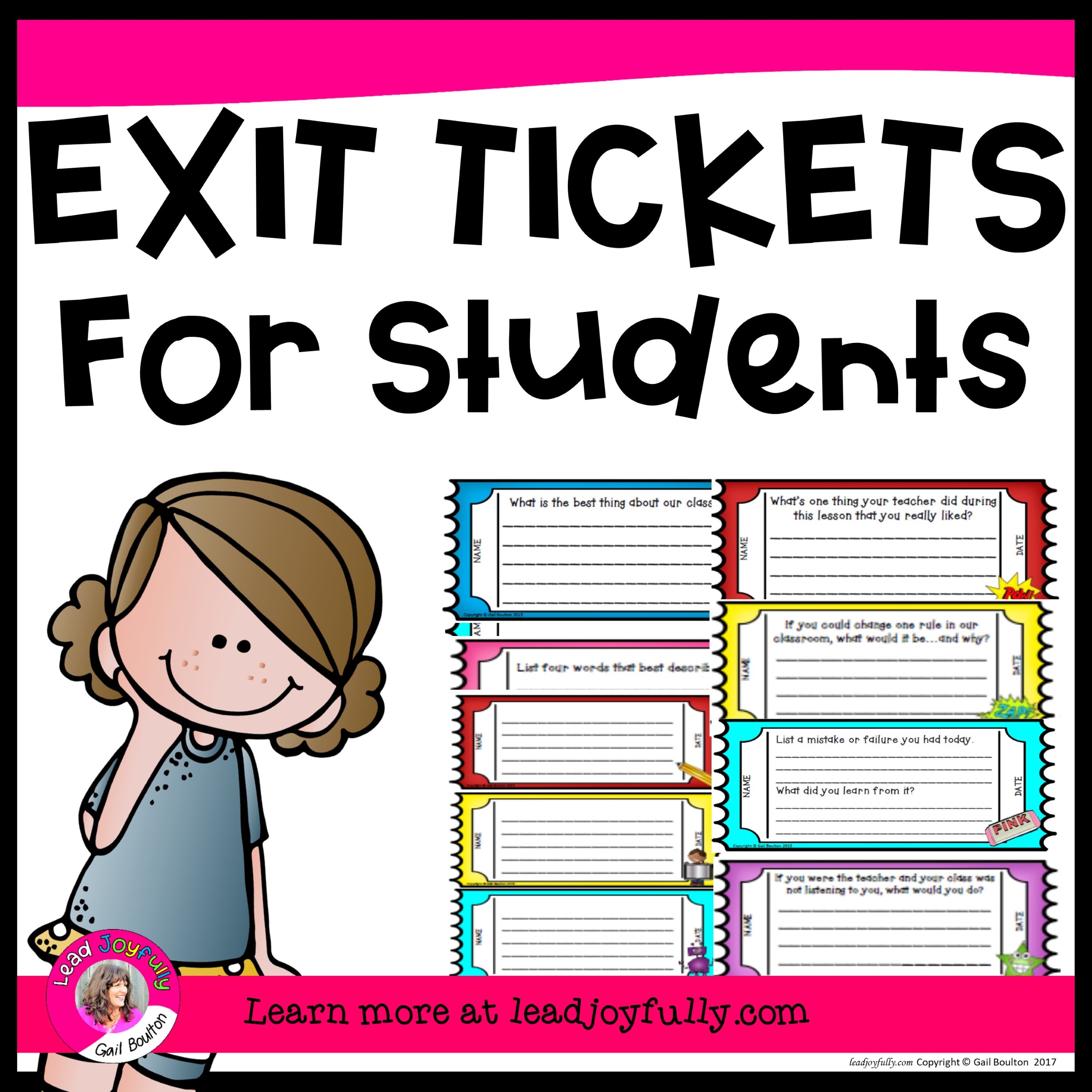
Write on your exit ticket: One thing you learned about math in games One question or idea you have for game design How might algebra make games more interesting?