Factorising Algebraic Expressions
Year 10 Mathematics Victorian Curriculum VCMNA301 Understanding the reverse of expansion
What is Factorisation?
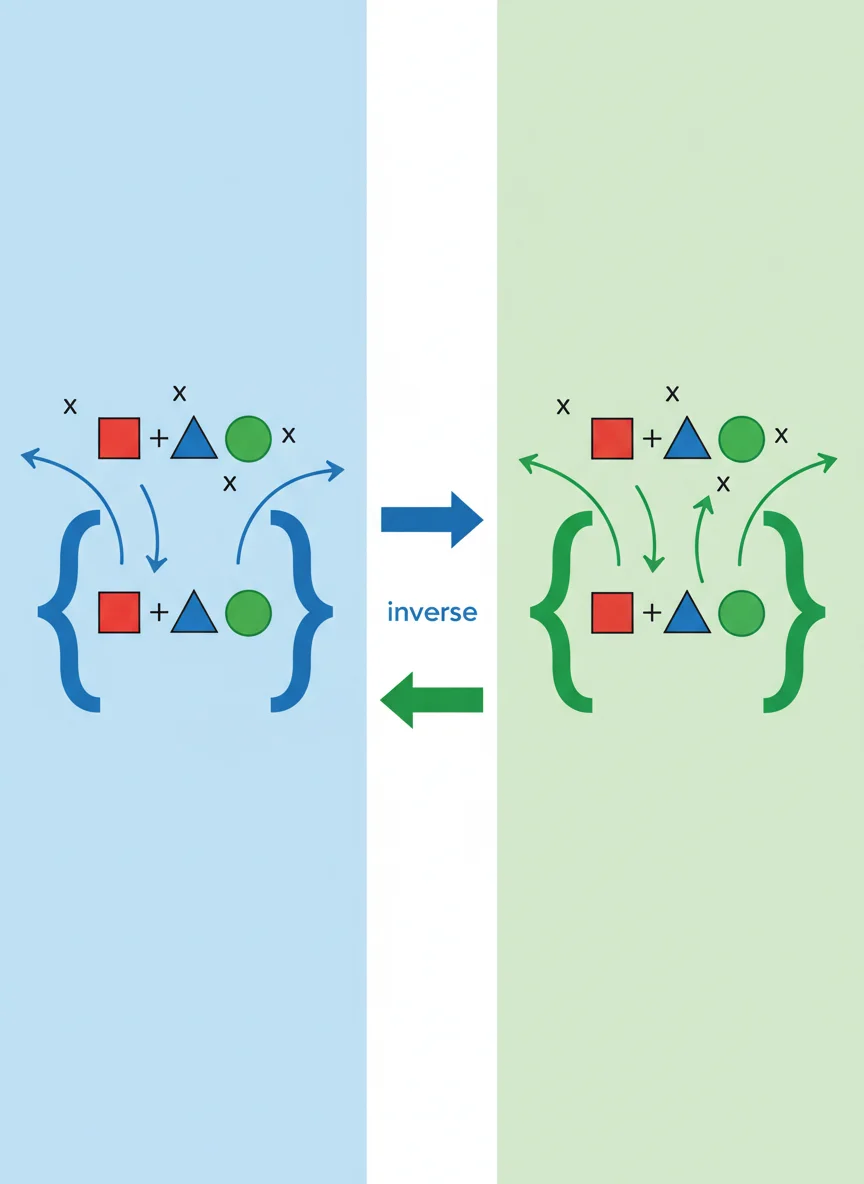
The process of writing an expression as a product of its factors The reverse operation of expanding brackets Finding numbers or expressions that multiply together Example: 6x + 9 = 3(2x + 3)
Key Vocabulary
Year 10 Mathematics Victorian Curriculum VCMNA301 Understanding the reverse of expansion
Guided Practice: Finding Common Factors
Work through examples together 6x + 9 = ? 4x² - 8x = ? Identify the greatest common factor first
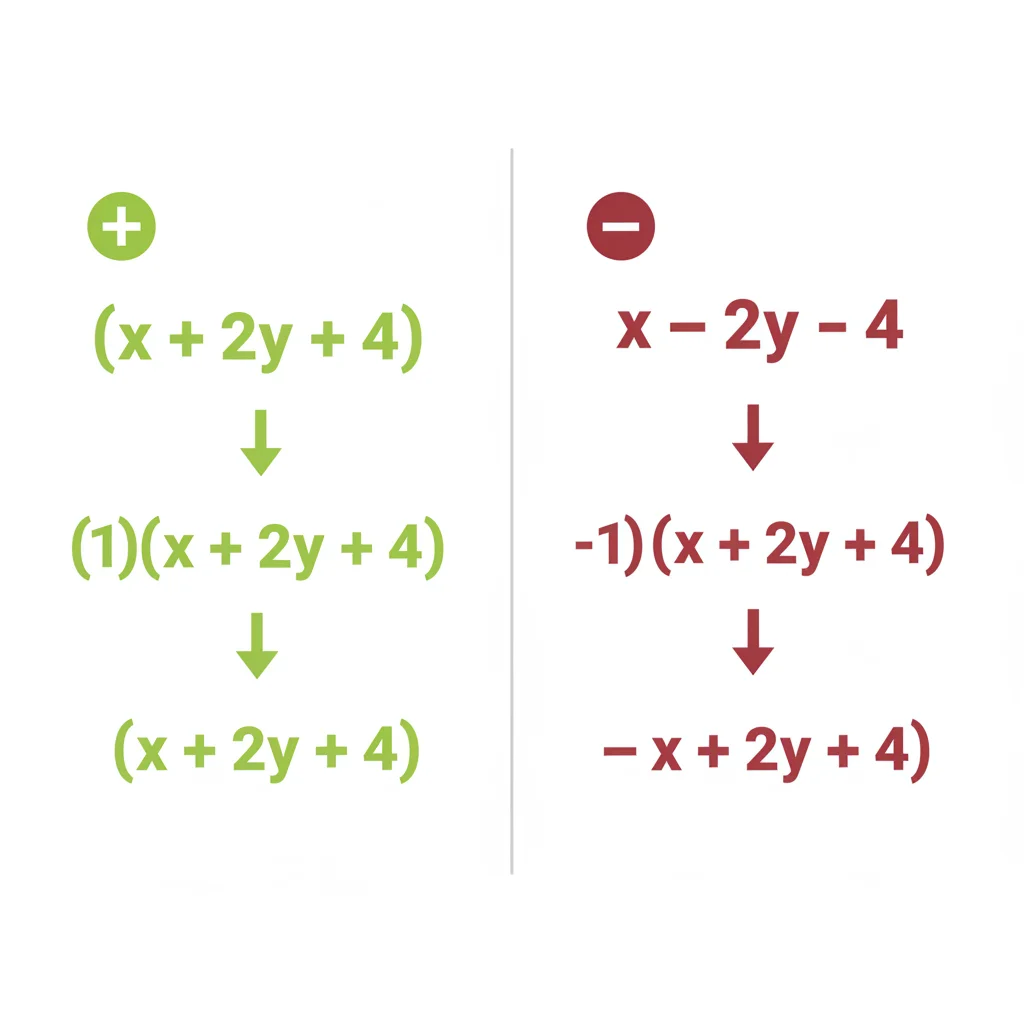
Factorising with Positive and Negative Terms
{"left":"Positive terms: 3x² + 6x = 3x(x + 2)\nMixed terms: 5x² - 10x = 5x(x - 2)","right":"Negative terms: -4x³ + 8x² = -4x²(x - 2)\nAlways check by expanding back!"}
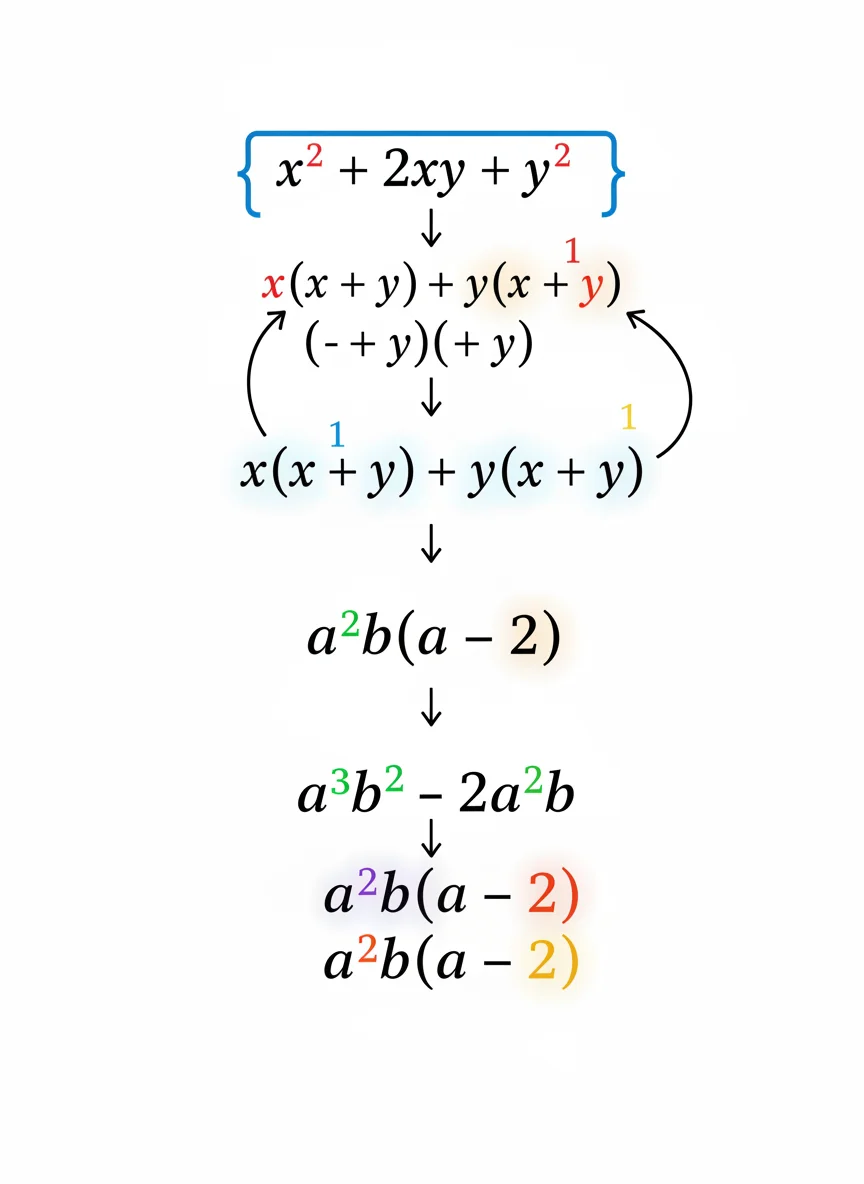
Factorising Expressions with Powers
Look for the lowest power of each variable Example: 2x⁴ - 8x² = 2x²(x² - 4) Factor out the greatest common factor including variables The remaining expression goes inside the brackets
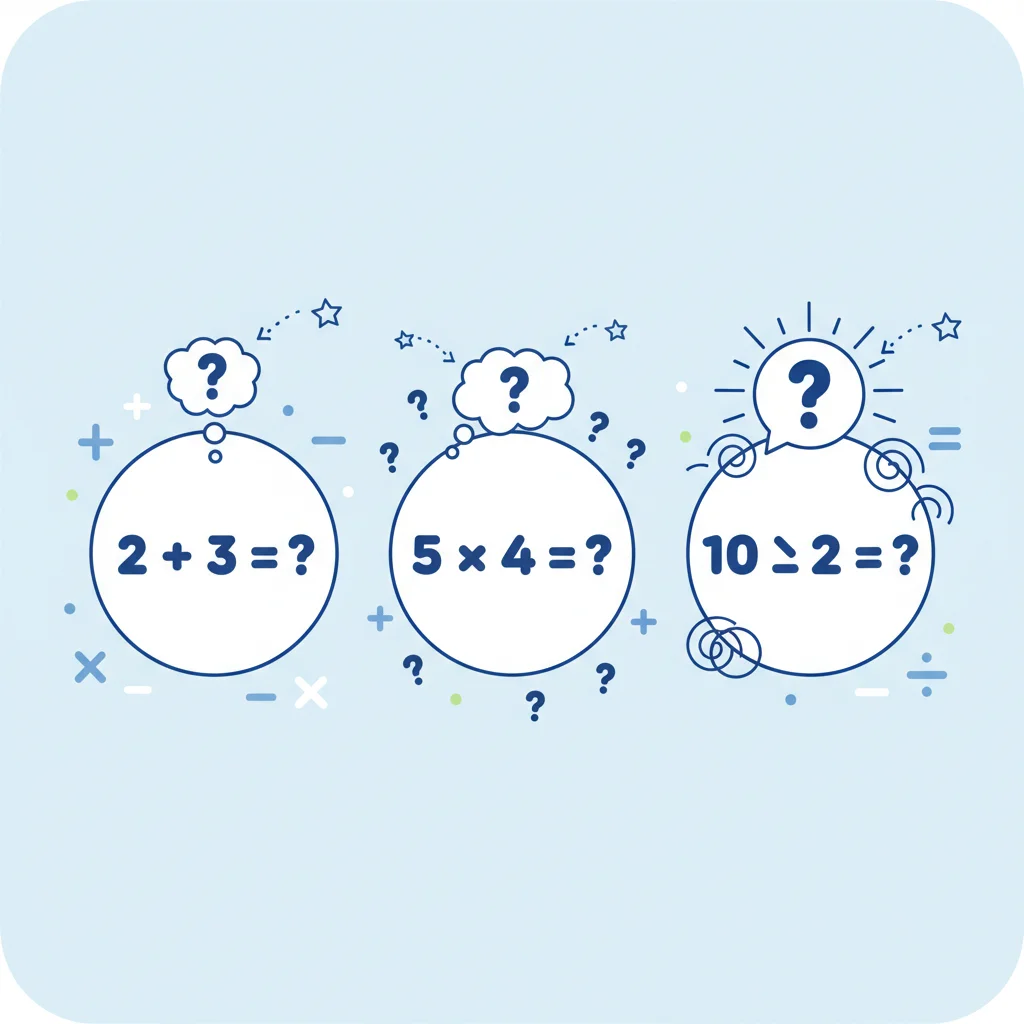
Quick Check
Can you factorise these expressions? a) 12x + 18 b) 6x² - 9x c) -10x³ + 15x² Think about the greatest common factor first!
Summary and Next Steps
Factorisation is the reverse of expansion Always find the greatest common factor first Handle negative signs carefully Check your answer by expanding Practice with your worksheet - 10 problems plus matching activity