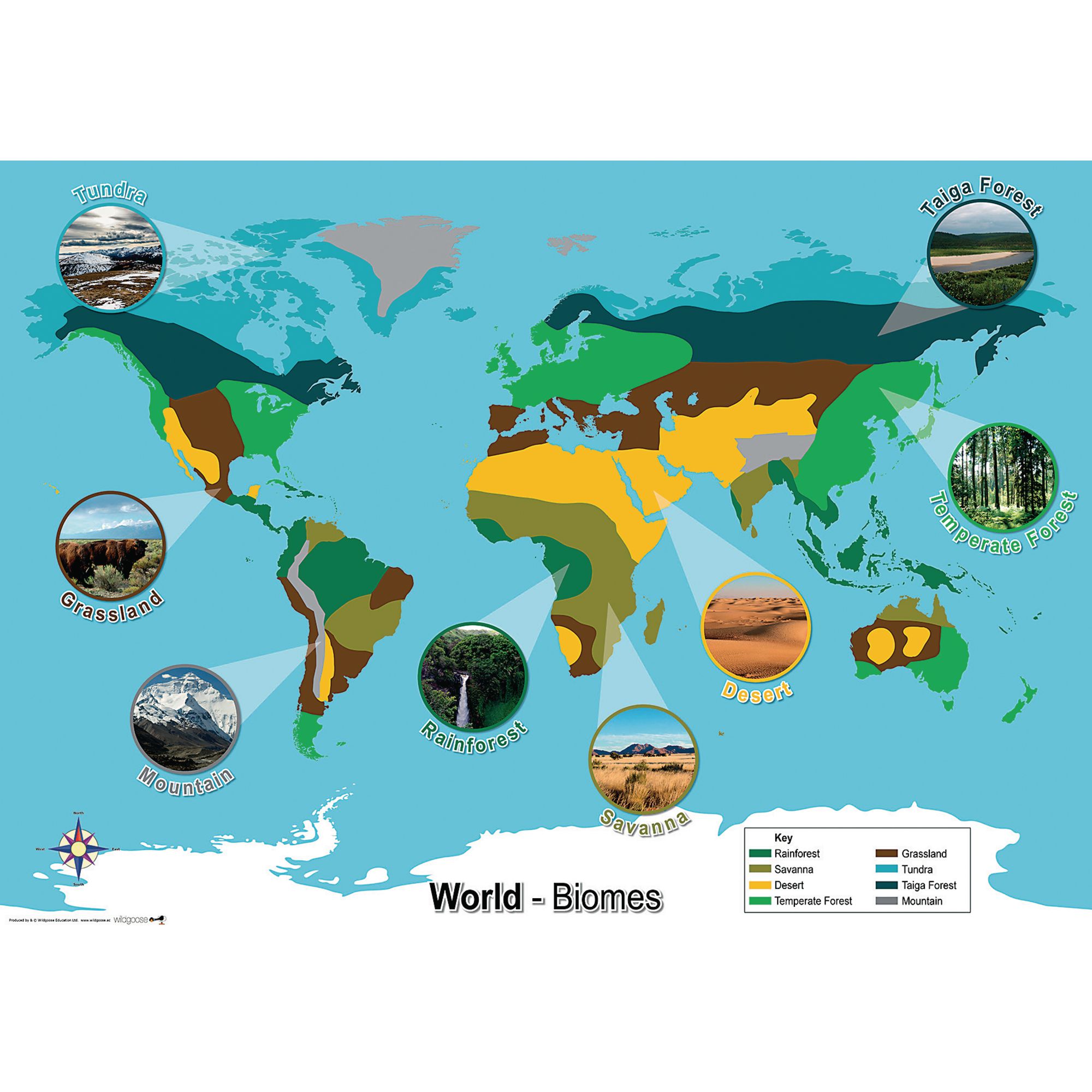
Exploring World Biomes and Climate Zones
A Journey Through Earth's Natural Environments Year 5 Geography Understanding Climate and Life on Earth
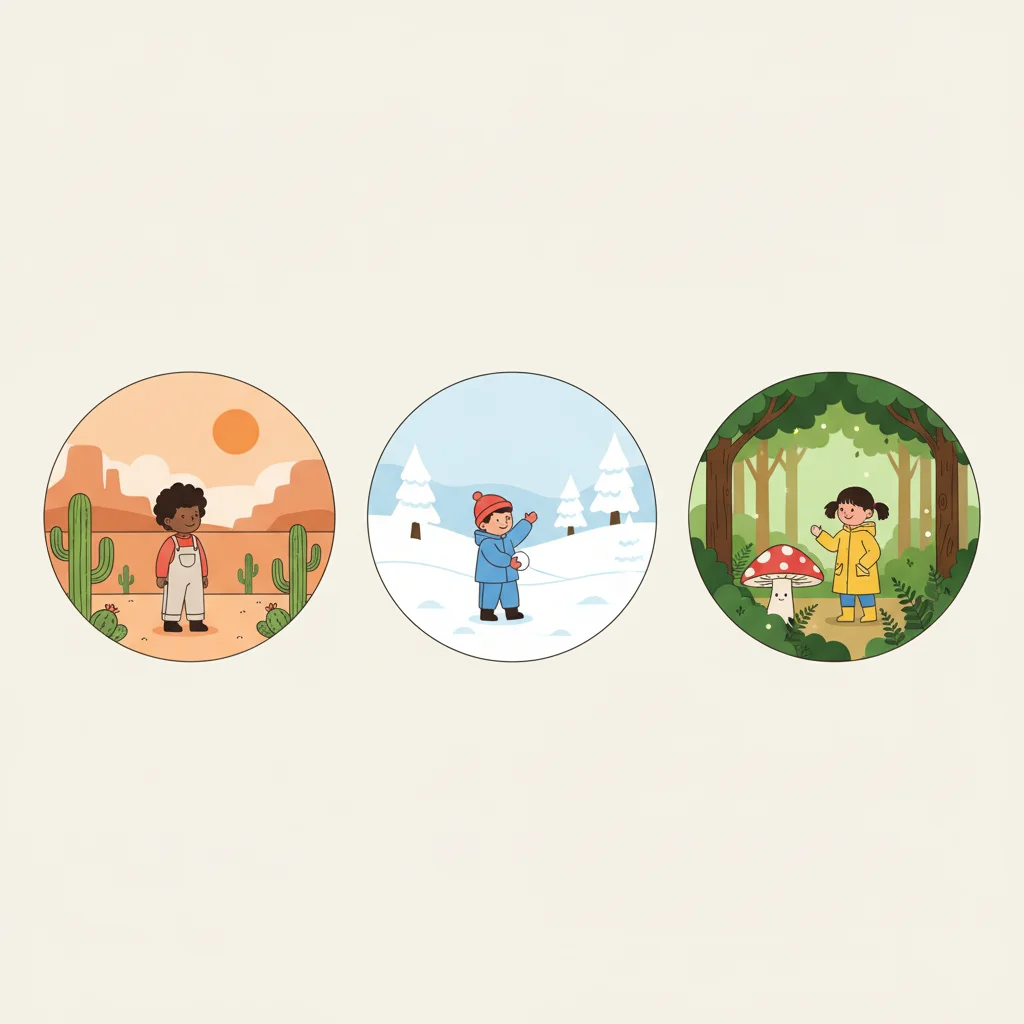
What Do You Already Know?
Think about different places you've visited or seen in movies What makes a desert different from a rainforest? Why do you think polar bears live in cold places? What animals and plants live in your local area?

Let's Review: The Seven Continents
Asia - the largest continent Africa - home to the Sahara Desert North America - includes Canada and USA South America - contains the Amazon Rainforest Antarctica - the frozen continent Europe - many different countries Australia/Oceania - our home continent

What is a Biome?
A biome is a large area with similar climate, plants, and animals Climate includes temperature and rainfall patterns Plants and animals are specially adapted to their biome Each biome has unique characteristics Biomes are found on every continent except Antarctica

The Seven Major World Biomes

Tropical Rainforest Biome
Found near the equator where it's always warm and wet Receives over 200cm of rain per year Home to more species than any other biome Has four distinct layers: emergent, canopy, understory, forest floor Examples: Amazon, Congo Basin, Southeast Asia

Desert Biome
Very dry areas receiving less than 25cm of rain per year Can be hot (like Sahara) or cold (like Gobi) Plants and animals have special adaptations to conserve water Cacti store water in thick stems Animals are often active at night when it's cooler

Biome Adaptation Challenge
Work in pairs to design an imaginary animal Choose a biome for your animal to live in Draw your animal with special features to help it survive Examples: thick fur for cold, large ears for heat, webbed feet for water Present your creation to the class!
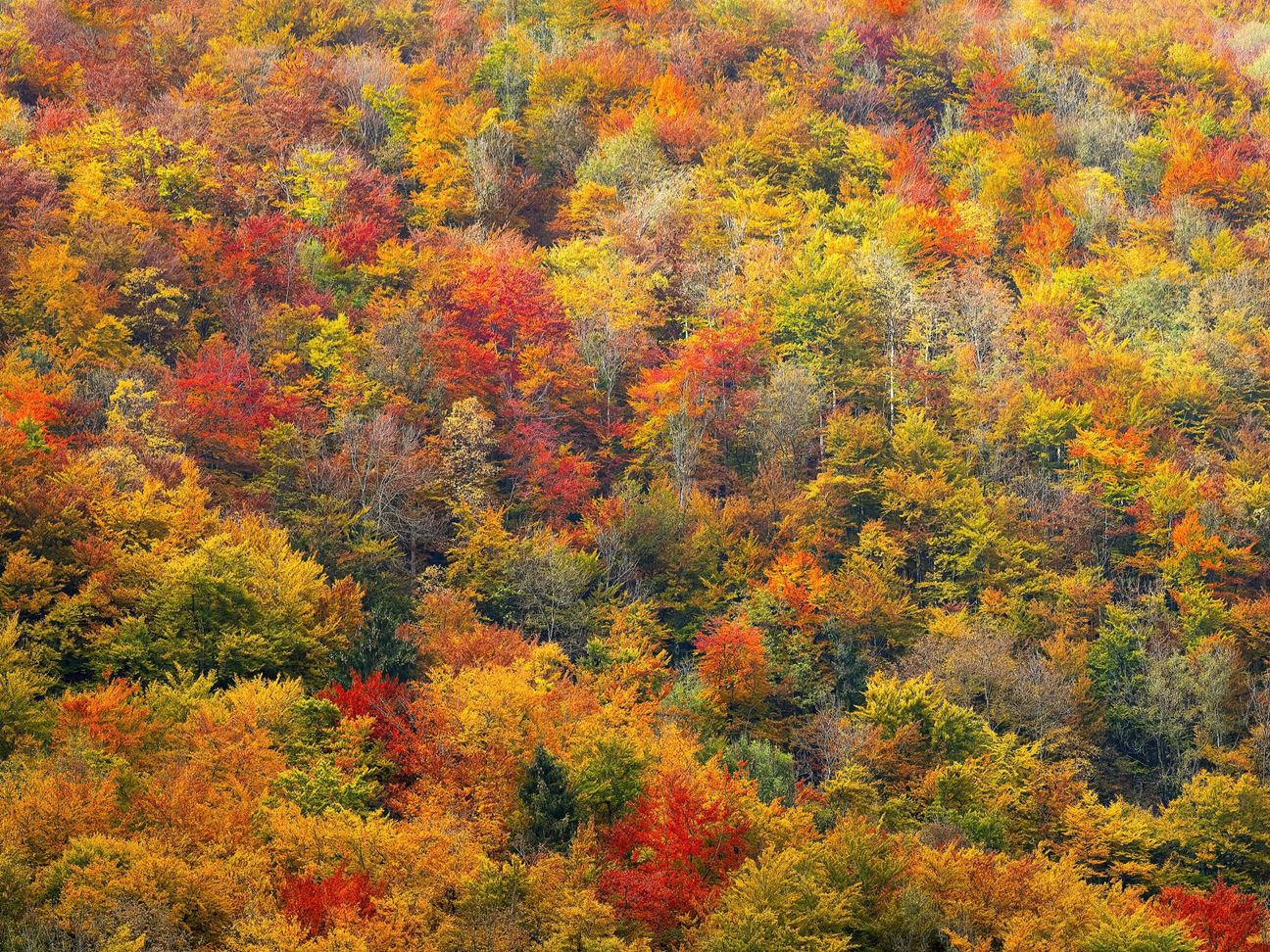
Temperate Forest Biome
Found in areas with moderate temperatures and rainfall Trees lose their leaves in autumn (deciduous) Four distinct seasons: spring, summer, autumn, winter Common trees: oak, maple, birch, beech Animals include deer, bears, squirrels, and many birds
:max_bytes(150000):strip_icc()/tundra-58bf1be55f9b58af5cc29755.jpg)
Tundra Biome
The coldest biome, found near the North and South Poles Ground is frozen most of the year (permafrost) Very short growing season (2-3 months) Low-growing plants like mosses and small shrubs Animals: polar bears, arctic foxes, caribou, penguins

Grassland vs Taiga Comparison
{"left":"Large areas covered mainly with grasses\nFound in areas too dry for forests but too wet for deserts\nHome to grazing animals like zebras and bison\nExamples: African savanna, North American prairies","right":"Also called boreal forest or coniferous forest\nMade up mainly of evergreen trees like pine and spruce\nLong, cold winters and short, warm summers\nAnimals include moose, wolves, and lynx"}

Aquatic Biomes
Freshwater biomes: rivers, lakes, streams, ponds Marine biomes: oceans, seas, coral reefs Cover about 75% of Earth's surface Support countless species of fish, plants, and other organisms Coral reefs are like underwater rainforests
3 more slides available after you open the deck.
Download all 15 slides