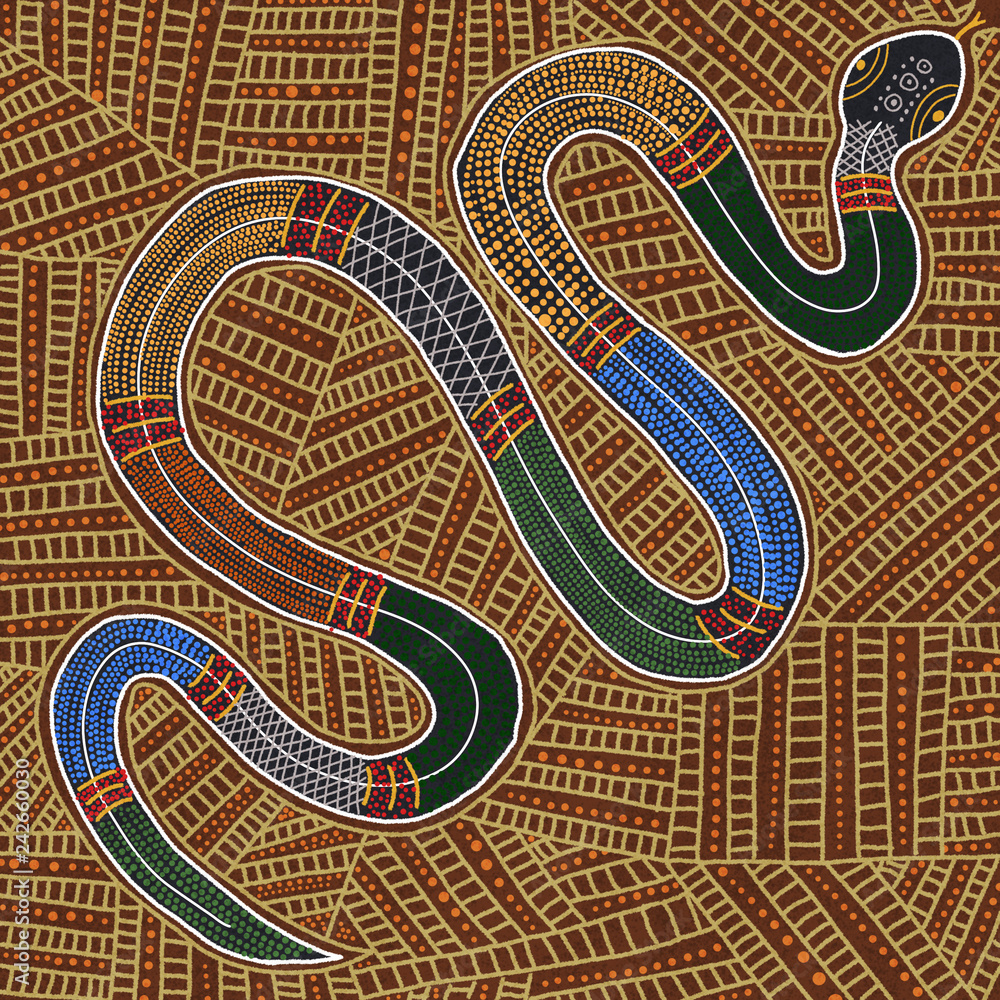
Exploring Timbre Through Aboriginal Music
Year 4 Music Understanding Sound Quality and Cultural Expression NSW Curriculum - 120 minutes

What is Timbre?
Timbre is the distinctive quality or 'colour' of a sound It's what makes a guitar sound different from a piano Affected by the sound source and how it's produced Words to describe timbre: smooth, scratchy, warm, bright, rich
Same, Same but Different Game
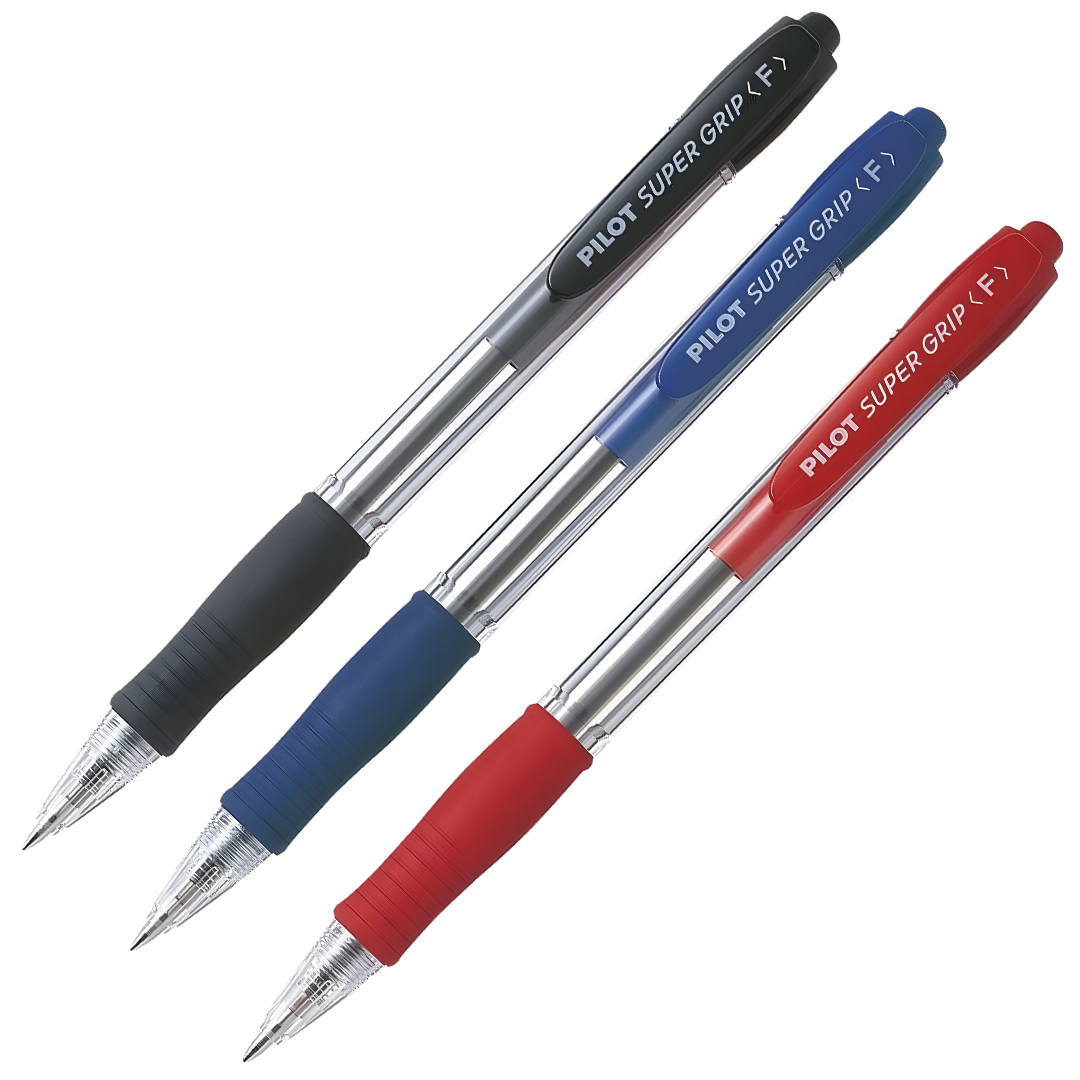
Listen to three different sounds Identify which sound doesn't belong Use timbre vocabulary to explain your choice Examples: scrunching paper, tapping pen, shaking bottle

Aboriginal Music and Storytelling
Aboriginal music shares stories and cultural values Music connects people to Country Traditional songs pass down knowledge through generations Music is used for celebration and ceremony
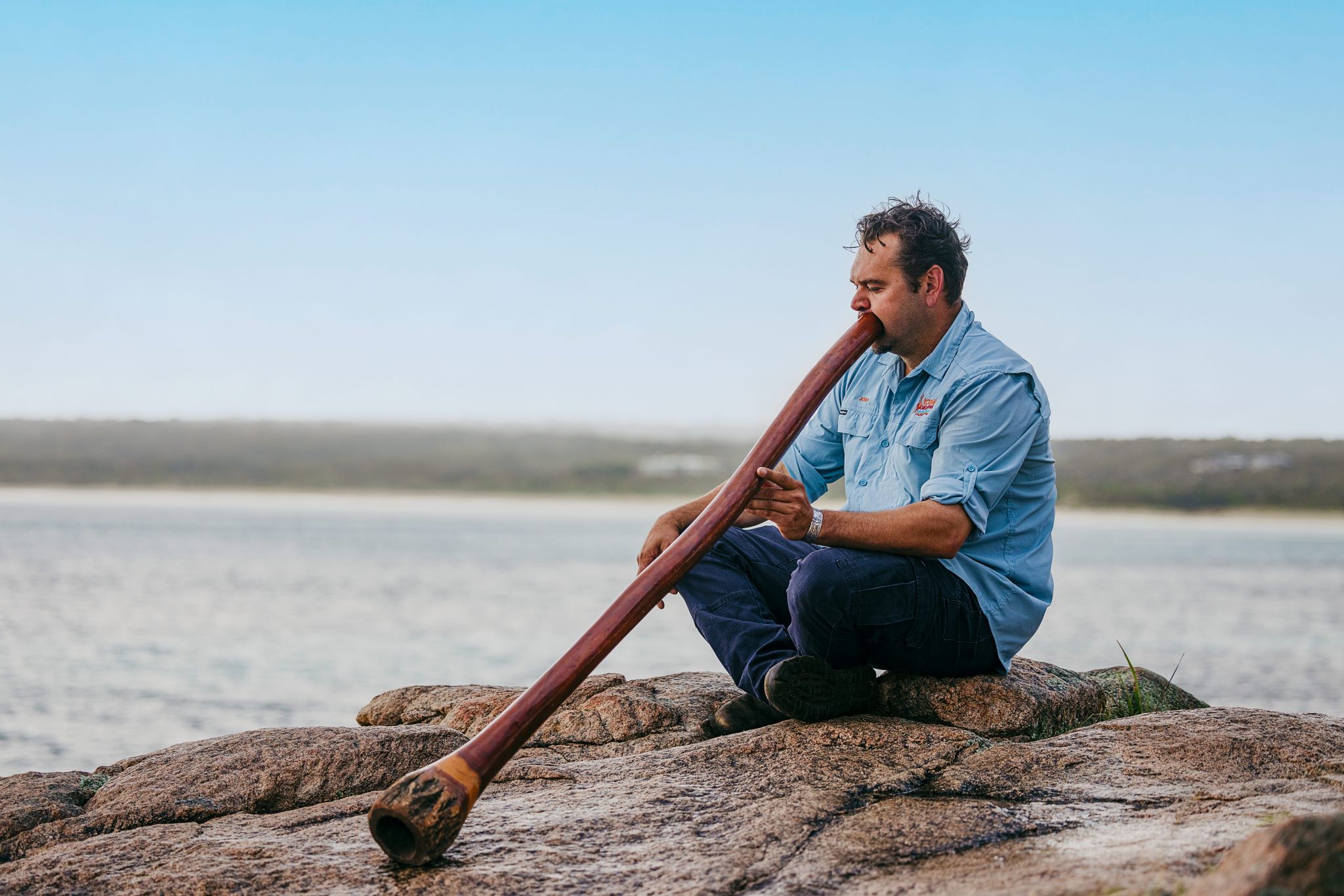
Traditional Aboriginal Instruments
Cultural Protocols and Respect
Listen respectfully to Aboriginal music Acknowledge the artists and their culture Some instruments are gender-specific (e.g., Yidaki traditionally played by men) Don't imitate without permission or understanding

Sound Exploration Challenge
Choose a classroom object Experiment with different ways to make sounds Describe the timbre using our new vocabulary Share your discoveries with a partner

What We've Learned
Timbre is the unique quality or 'colour' of sound Aboriginal music tells stories and connects to Country We must respect cultural protocols when learning about Indigenous music Different materials and techniques create different timbres