Exploring Reggae Style and Meaning
Learning Objective Analyse reggae music's distinctive style and cultural meaning Success Criteria Identify key musical elements of reggae Explain reggae's historical and social significance Demonstrate understanding through listening and discussion Specific Tasks 1. Listen to Bob Marley examples 2. Identify rhythm patterns and instrumentation 3. Research reggae's Jamaican origins 4. Discuss social messages in lyrics 5. Complete style analysis worksheet Wrap Up Reflection: What makes reggae unique? Next Steps: Explore ska and dancehall connections
Learning Objectives (WALT)
Identify key stylistic features of Reggae music (tempo, rhythm, instrumentation) Explain how Reggae lyrics promote messages of peace and social change Use the valence-arousal model to interpret mood and meaning Collaboratively plan a Reggae performance project

Audio-Visual Hook: First Impressions
Listen to 'One Love' by Bob Marley Note initial impressions: tempo, rhythm, mood What instruments can you hear? What message does the song convey?
Key Stylistic Features of Reggae
Tempo: Moderate, laid-back feel (60-90 BPM) Rhythm: 'One drop' drum beat emphasizing beat 3 Off-beat 'skank' on guitar/keyboard Prominent, melodic bass lines 4/4 time signature with syncopation Clear verse-chorus song structure

Audio Samples: Identifying Features
Listen to isolated drum tracks Identify the bass line patterns Hear the off-beat guitar 'skank' Compare different reggae songs
Valence-Arousal Model
Valence: Pleasant vs. Unpleasant emotions Arousal: Calm vs. Excited energy levels Reggae typically: High valence (positive/peaceful) Reggae typically: Low-medium arousal (relaxed/steady) Helps us understand mood and meaning in music

Group Discussion: Mood and Meaning
In small groups, analyze a reggae song using the valence-arousal model Discussion prompts: What mood does the music create? How do the lyrics support messages of peace or change? Where would you place this song on the valence-arousal chart?
Reggae Performance Project Overview
Form two bands of 12-13 students each Perform a reggae piece incorporating key stylistic features Assessment criteria: Use of tempo, rhythm patterns, mood interpretation Include meaningful lyrics promoting peace or social change Performance date: [To be confirmed] Practice time will be allocated in future lessons
Group Formation and Roles
Negotiate to form two balanced bands Consider musical skills and experience Think about leadership and cooperation Assign initial roles: lead vocals, backing vocals, guitar, bass, drums, percussion
Reflection and Next Steps
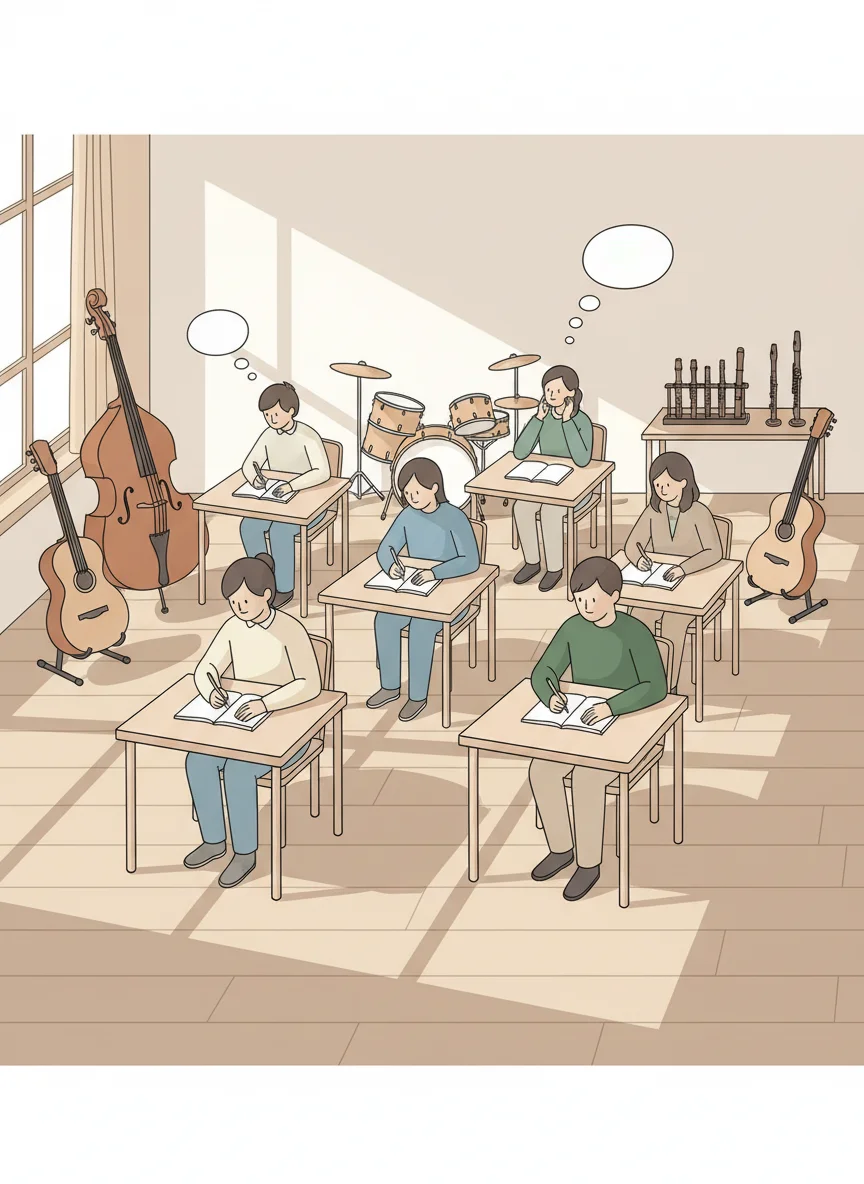
What was one new thing you learned about reggae today? How might reggae's message of peace be relevant today? What aspect of the performance project excites you most? Next lesson: Begin rehearsals and song selection