Exploring Patterns in Number Sequences
Year 6 Mathematics Discovering the magic of patterns in numbers

What Are Number Sequences?
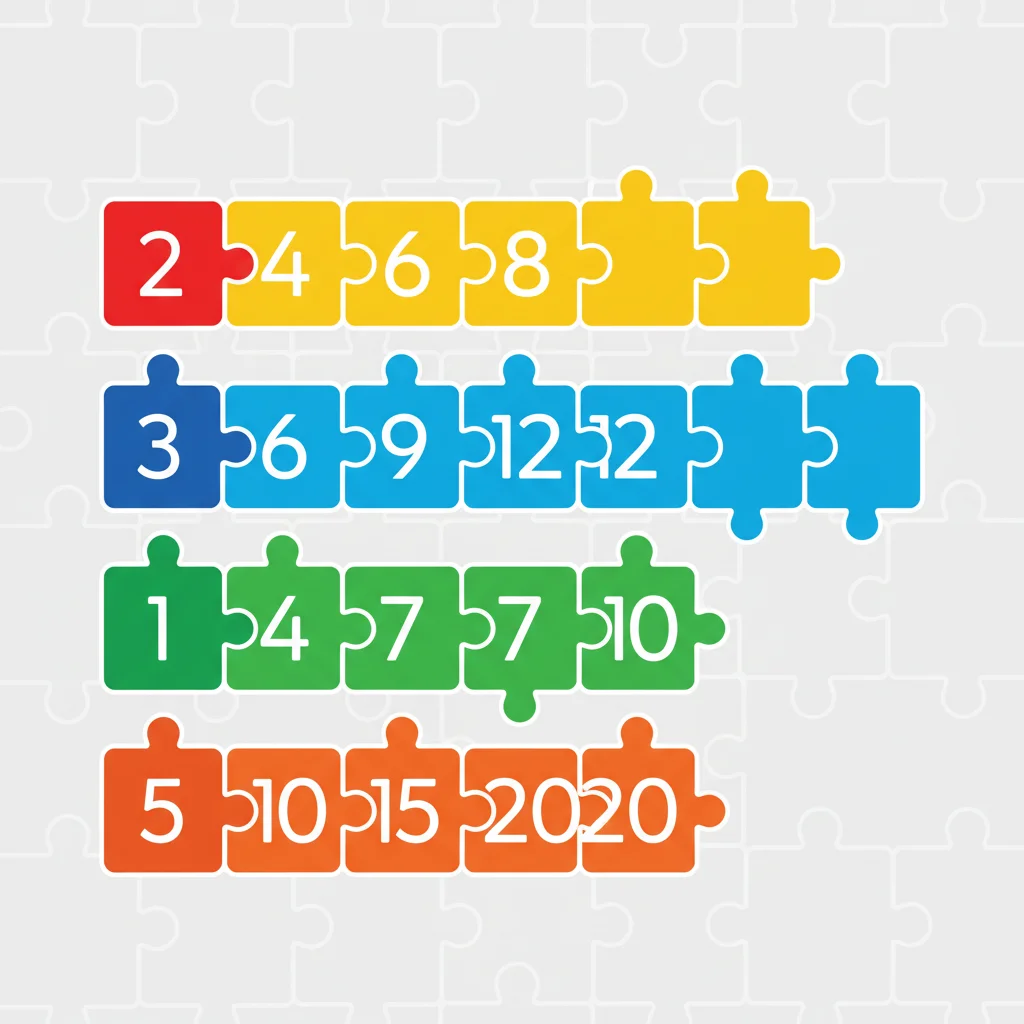
A sequence is a list of numbers in a special order Each number in the sequence is called a term The pattern tells us how to get from one term to the next Examples: 2, 4, 6, 8... or 1, 3, 5, 7...
Spot the Pattern!
Look at these sequences: 5, 10, 15, 20, ? 3, 6, 9, 12, ? 100, 90, 80, 70, ? What comes next in each sequence?

Types of Number Patterns
Arithmetic sequences: add or subtract the same number each time Example: 2, 5, 8, 11... (add 3) Geometric sequences: multiply or divide by the same number Example: 3, 6, 12, 24... (multiply by 2)
Finding the Rule
{"left":"Look at the differences between consecutive terms\nIf differences are the same, it's arithmetic","right":"If ratios are the same, it's geometric\nWrite the rule clearly: 'Start with ___, then ___'"}

Challenge Question
Can you find the next three terms? 1, 1, 2, 3, 5, 8, ?, ?, ? Hint: Look at how each term relates to the previous terms!
Patterns with Fractions
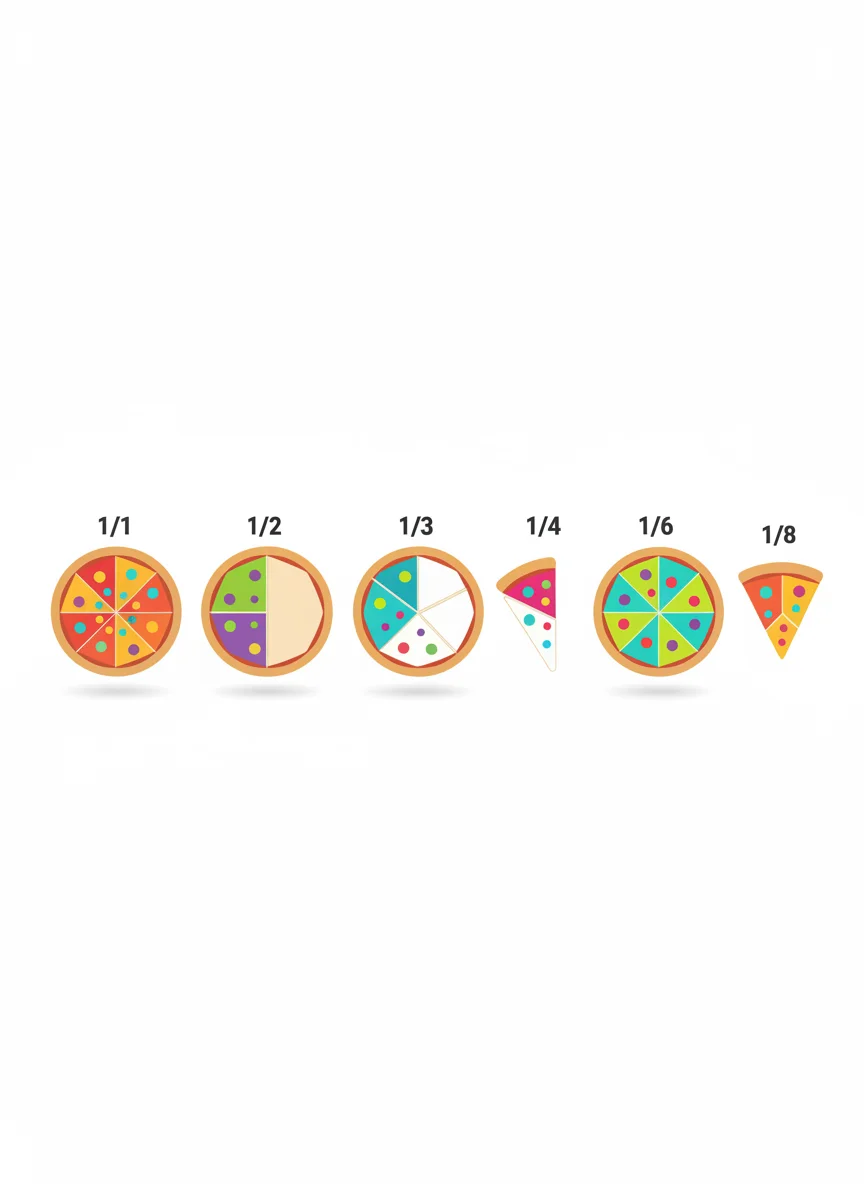
Sequences can include fractions too! Example: 1/2, 1, 1½, 2, 2½... (add ½ each time) Example: 1/4, 1/2, 1, 2... (multiply by 2 each time) The same rules apply!
Create Your Own Pattern
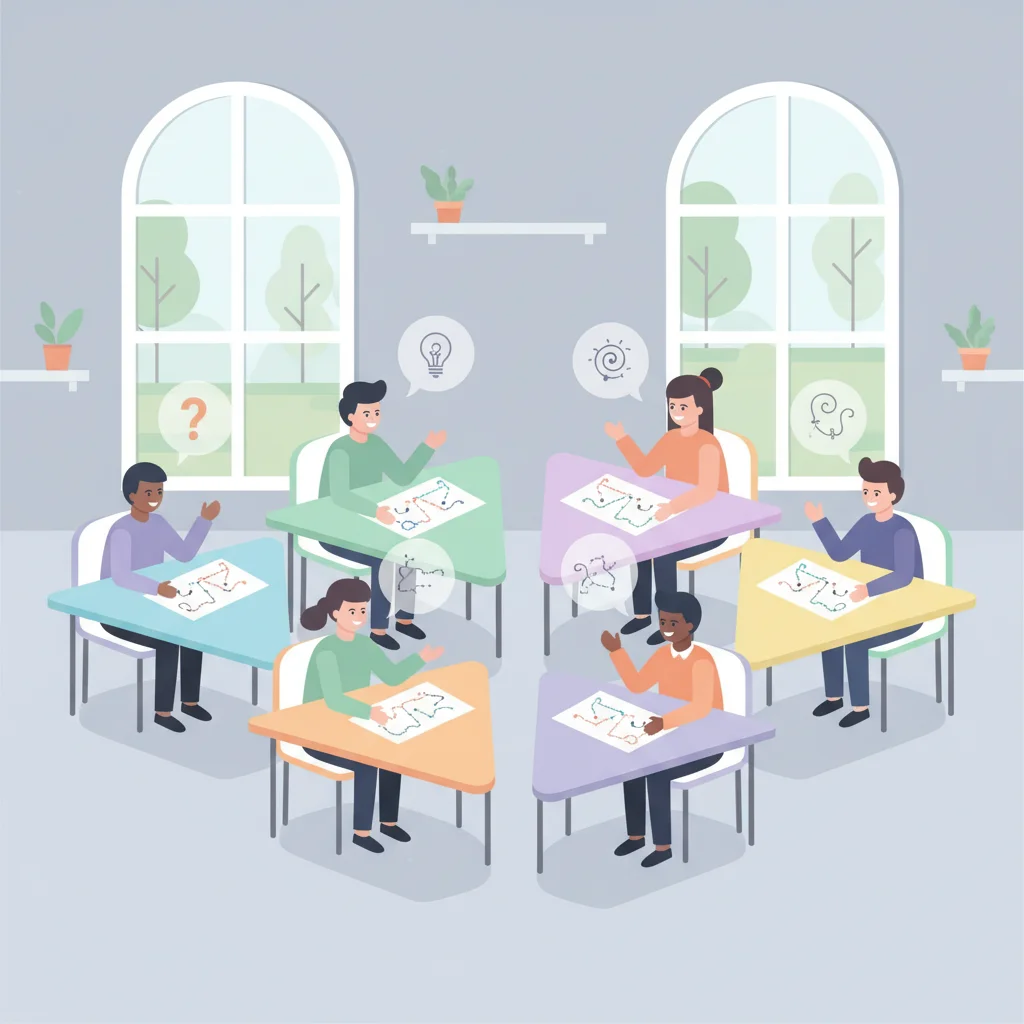
Choose a starting number Pick a rule (add, subtract, multiply, or divide) Create at least 5 terms in your sequence Challenge a partner to find your rule!
Patterns in Real Life
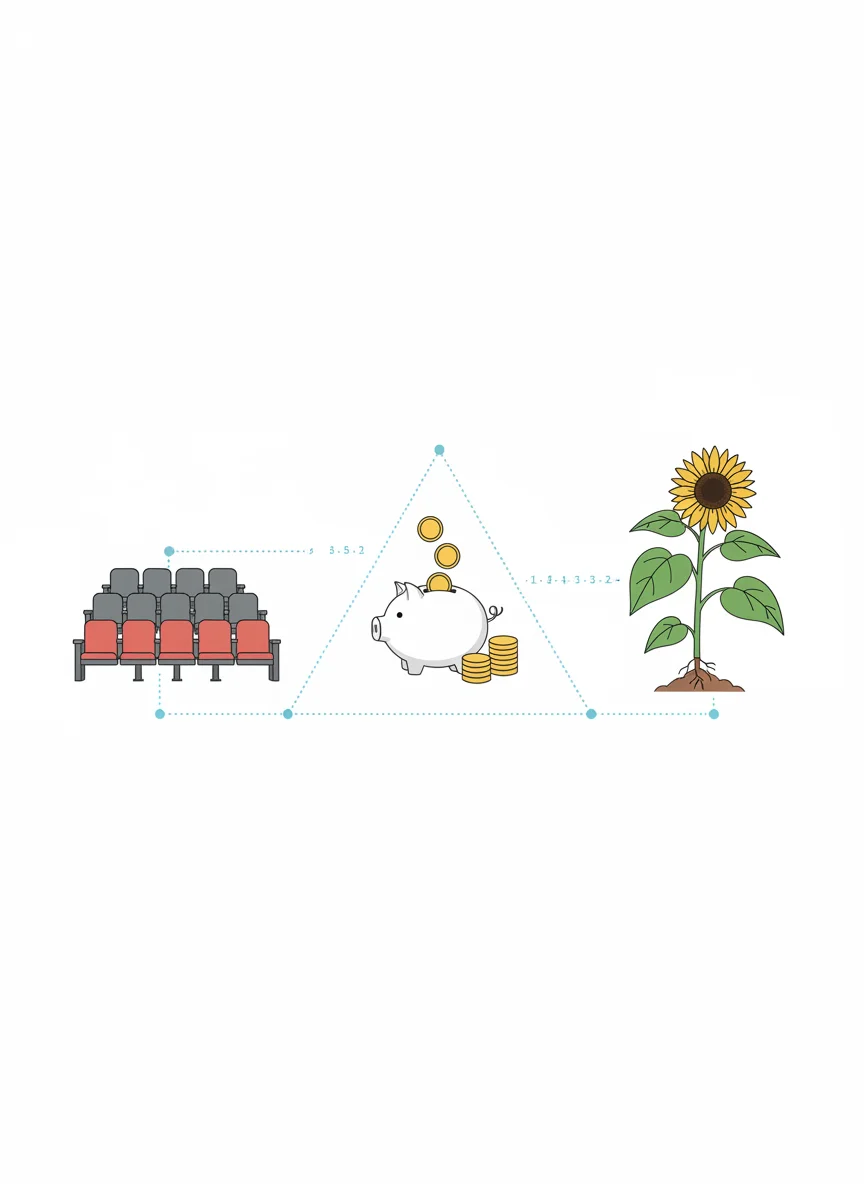
Seating arrangements in theaters (row 1: 10 seats, row 2: 12 seats...) Saving money (week 1: $5, week 2: $10, week 3: $15...) Growing plants (day 1: 2cm, day 3: 4cm, day 5: 6cm...) Patterns help us predict and plan!
Remember
'Mathematics is the language of patterns. Once you learn to see them, they're everywhere!' - Anonymous Mathematician