Exploring Grams and Kilograms Together
Year 4 Mathematics Understanding Mass Measurement NSW Curriculum Stage 2

What is Mass?
Mass tells us how heavy something is We measure mass using special units The main units are grams (g) and kilograms (kg) Mass helps us compare objects - which is heavier?

Feel the Difference!
Hold a paperclip (about 1 gram) Now hold a bag of sugar (1 kilogram) What do you notice? Share your observations with a partner

Understanding Grams and Kilograms
1 gram (g) = very light (like a paperclip) 1 kilogram (kg) = much heavier (like a bag of sugar) 1 kilogram = 1000 grams We write 'g' for grams and 'kg' for kilograms

Converting Between Units
{"left":"2 kg = 2000 g\n500 g = 0.5 kg","right":"3000 g = 3 kg\n1.5 kg = 1500 g"}

Reading the Scales
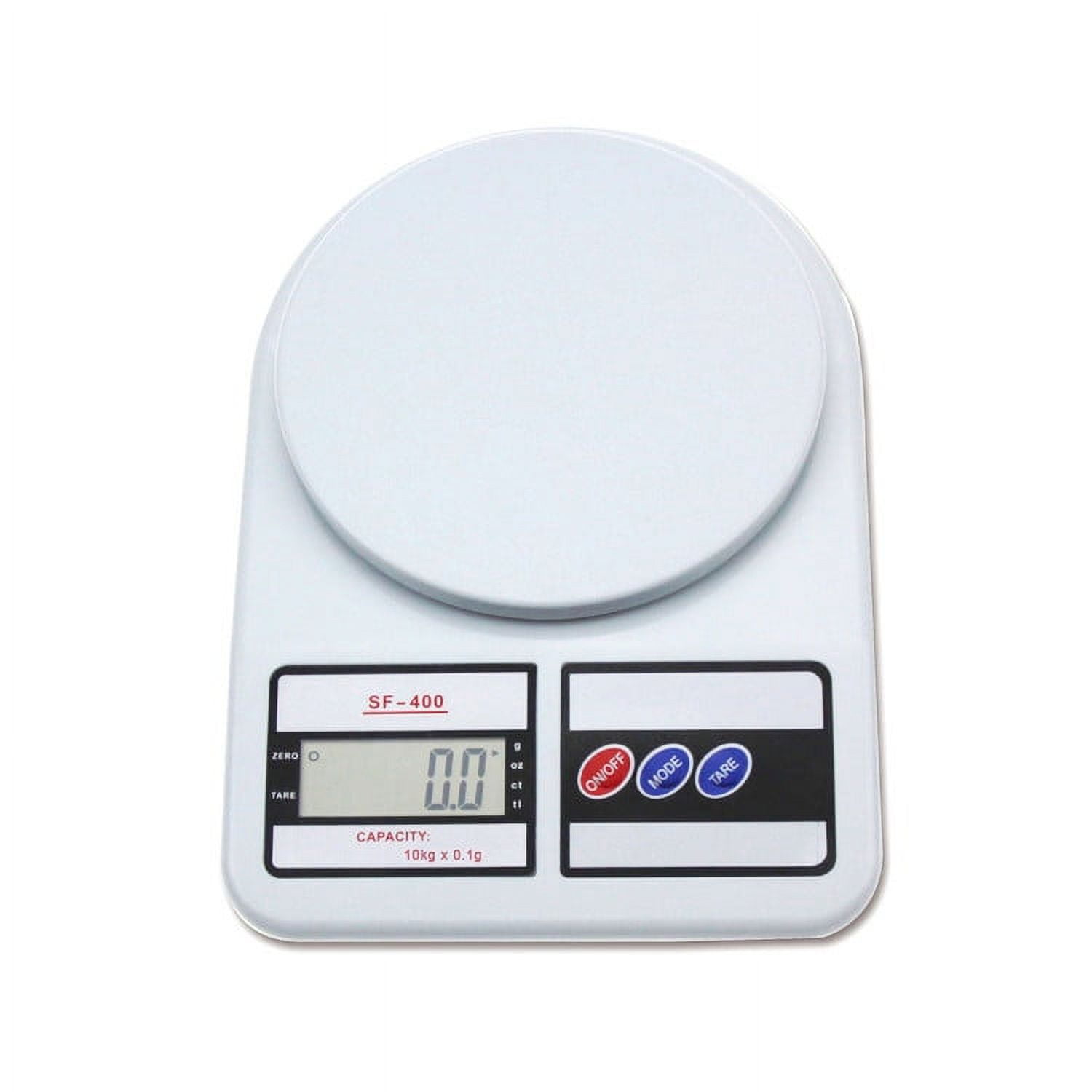
Look at the scale carefully Find where the pointer stops Read the number it points to Don't forget to include the unit (g or kg)!

Quick Check!
How many grams are in 2 kilograms? What does 'g' stand for? Which is heavier: 500g or 1kg? How would you write 'three kilograms' using the abbreviation?

What We Learned Today
Mass tells us how heavy objects are Grams (g) measure light objects Kilograms (kg) measure heavier objects 1 kilogram = 1000 grams We can read scales to find exact measurements