
Exploring Contraceptive Options for Teens
Understanding choices for reproductive health Making informed decisions NSW Health Education - Year 9
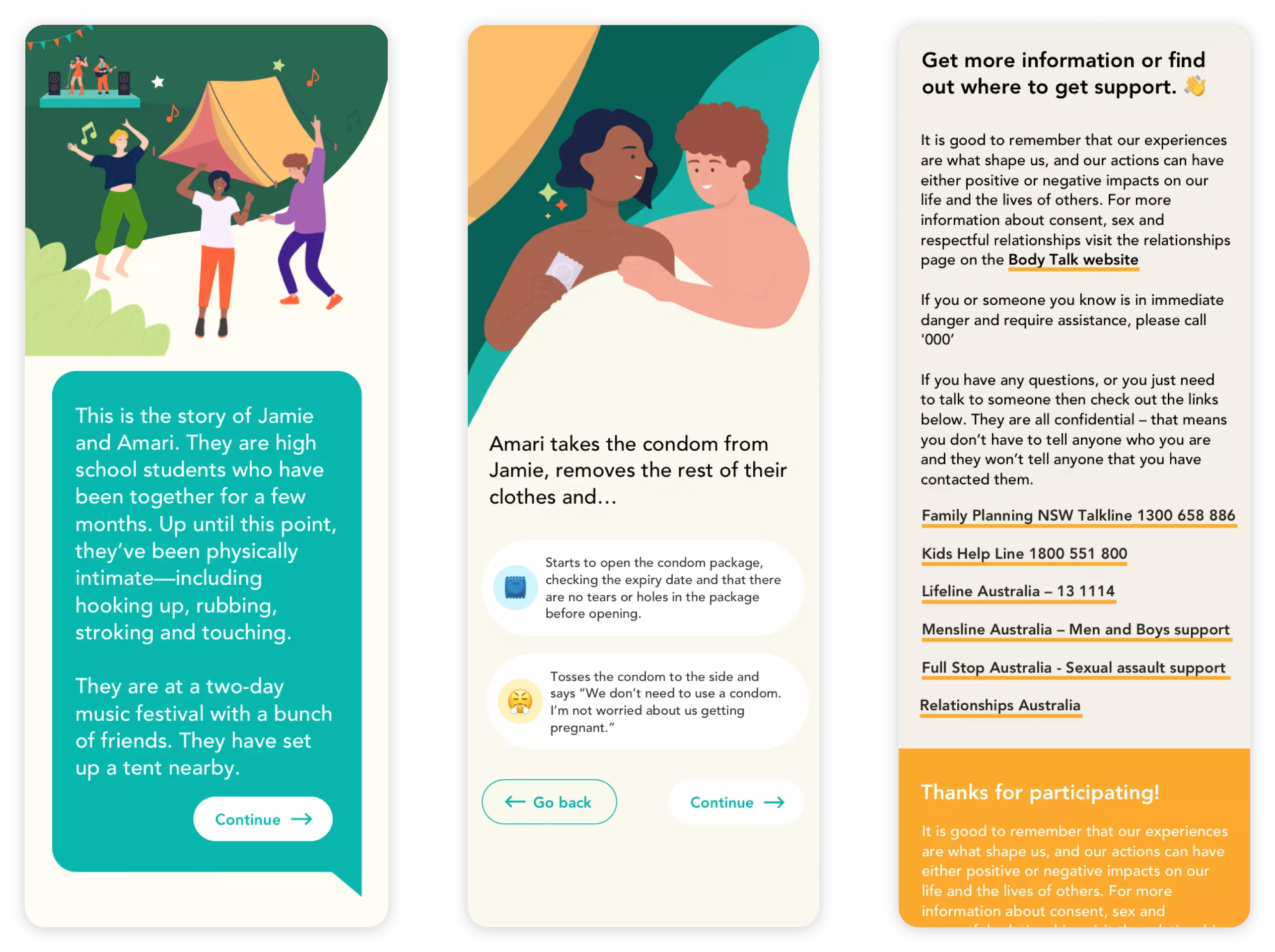
Why Learn About Contraception?
Empowers informed decision-making Promotes reproductive health and wellbeing Prevents unplanned pregnancies Reduces risk of sexually transmitted infections Supports healthy relationships and communication
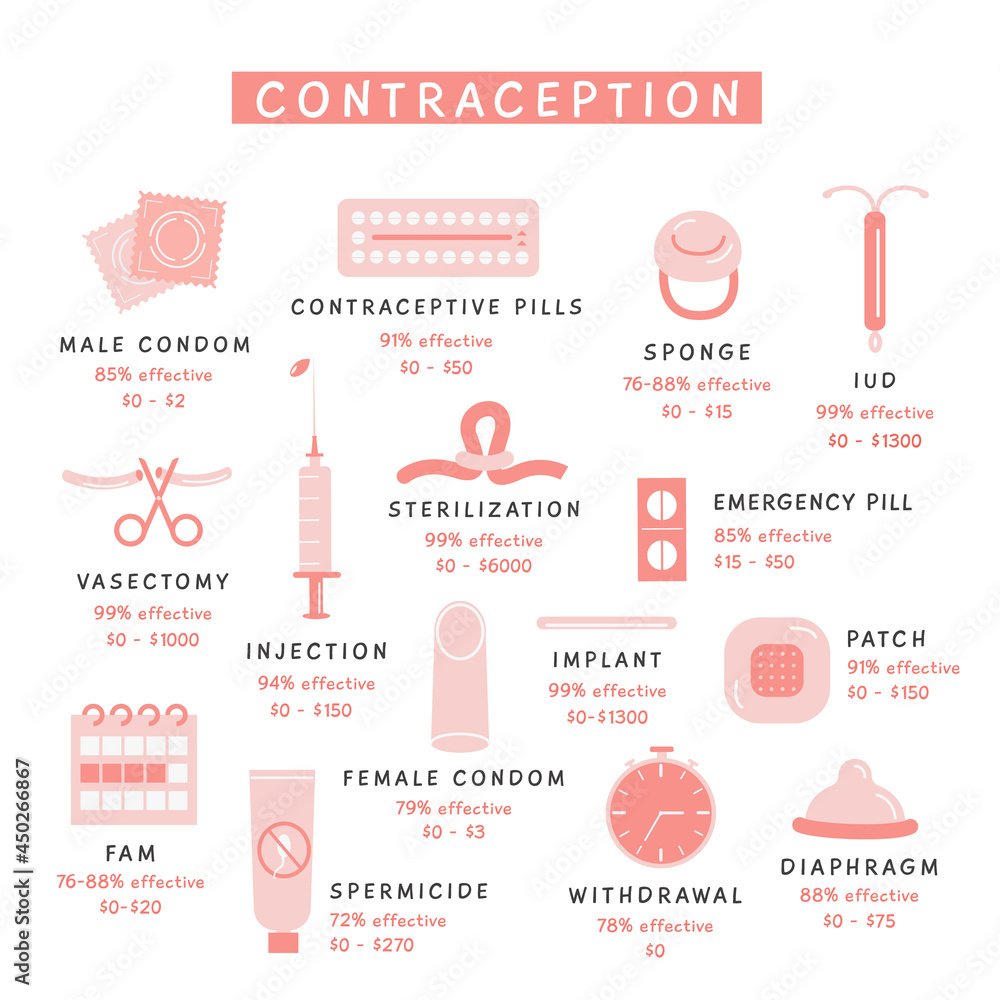
Types of Contraceptive Methods
{"left":"Hormonal Methods: Birth control pills, patches, injections, implants\nBarrier Methods: Condoms (male/female), diaphragms, cervical caps","right":"Natural Methods: Fertility awareness, withdrawal method\nEmergency Contraception: Morning-after pill for unplanned situations"}

Hormonal Methods
Birth control pills - daily tablets containing hormones Contraceptive patch - weekly hormone patch applied to skin Injectable contraceptives - hormone injection every 3 months Contraceptive implant - small rod inserted under skin (3 years) Generally 90-99% effective when used correctly
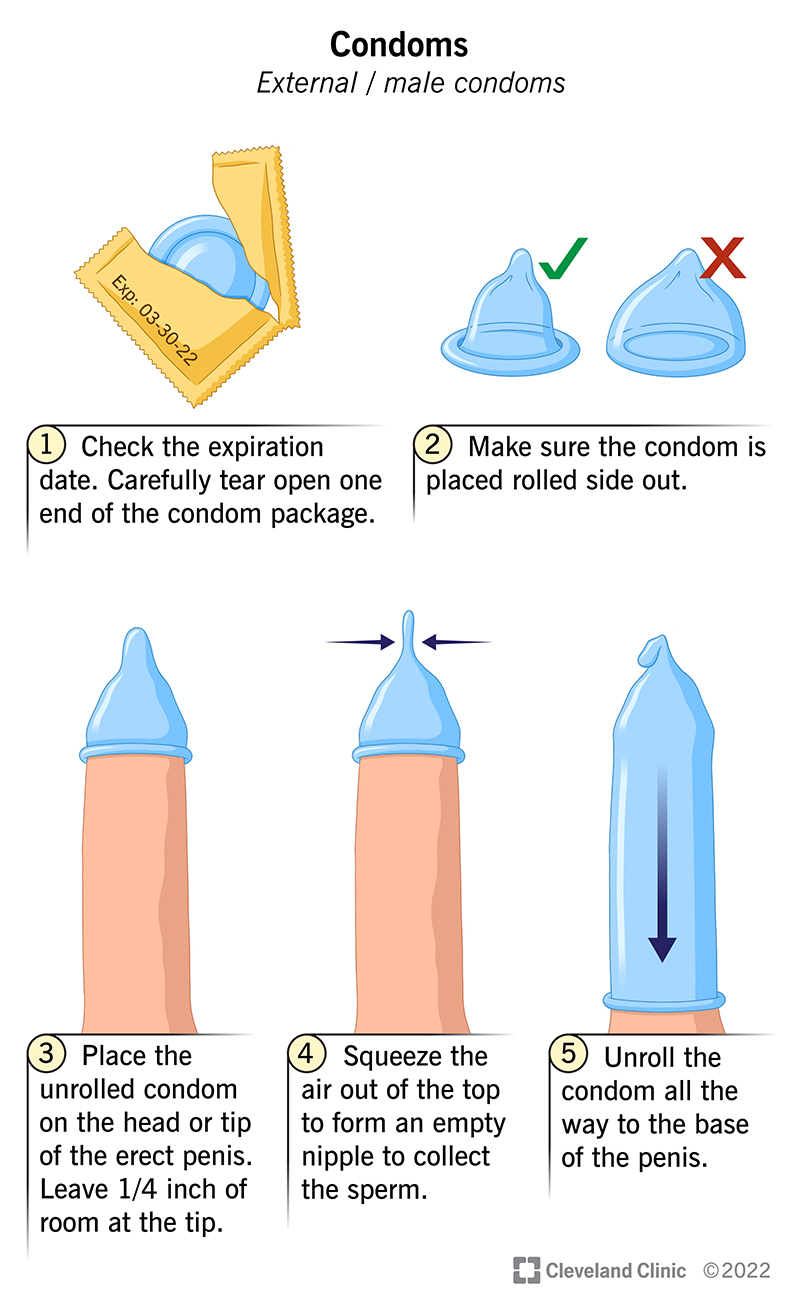
Barrier Methods
Male condoms - most common, also prevent STIs Female condoms - worn internally, also prevent STIs Diaphragms and cervical caps - require fitting by healthcare provider Effectiveness varies from 80-98% depending on correct use Only condoms provide STI protection
Myth Busting Activity
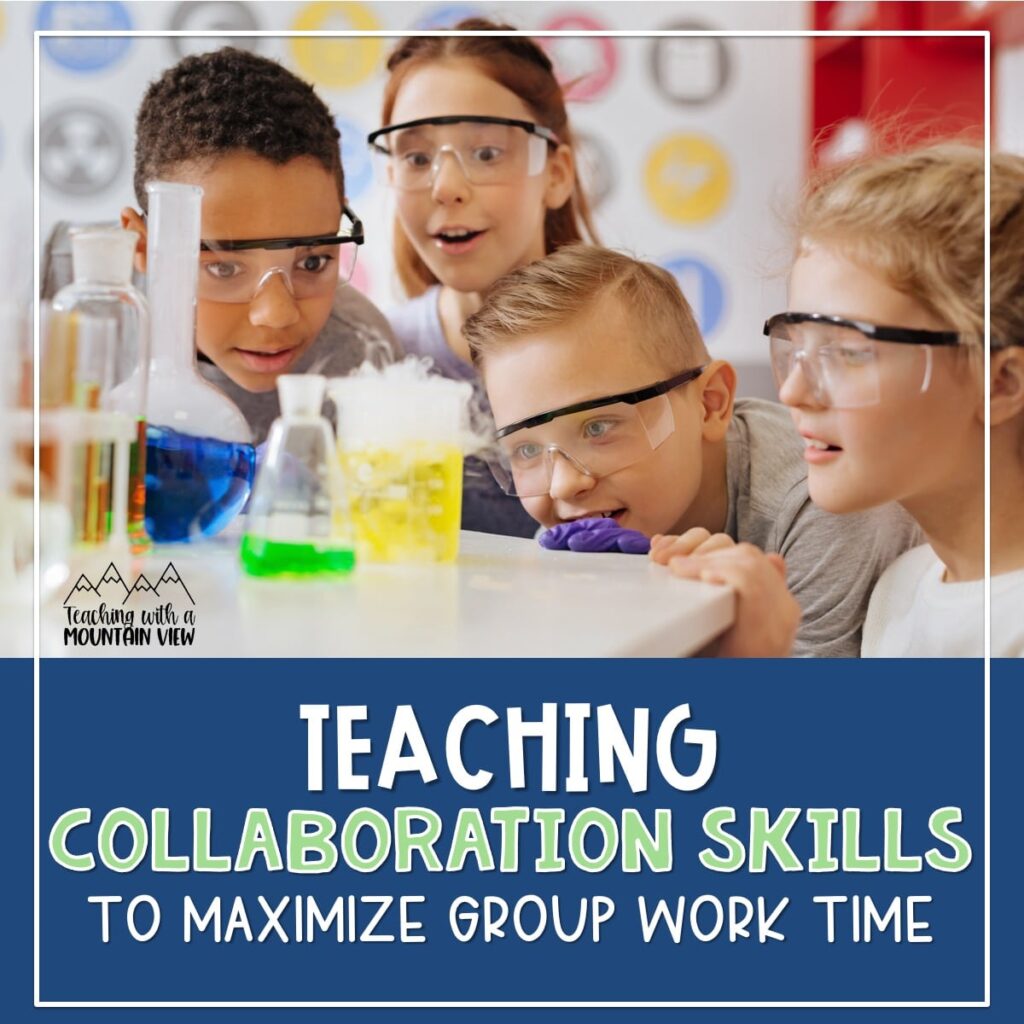
Work in small groups to discuss common myths about contraception Each group receives a myth card to research and debunk Present findings to the class with accurate information Use reliable sources to separate fact from fiction

Discussion Question
What factors might influence a person's choice of contraceptive method? Consider: lifestyle, health conditions, relationship status, personal values, accessibility, cost

Making Informed Decisions
Consult healthcare professionals for personalized advice Consider effectiveness, side effects, and lifestyle factors Communicate openly with partners about contraception Access reliable information from trusted sources Remember: contraceptive needs may change over time