Exploring 2D Shapes and Transformations
Year 2 Mathematics Discovering shapes around us Learning about slides and reflections
What is a 2D Shape?
Look around the classroom What flat shapes can you see? Can you name any shapes?
Understanding 2D Shapes
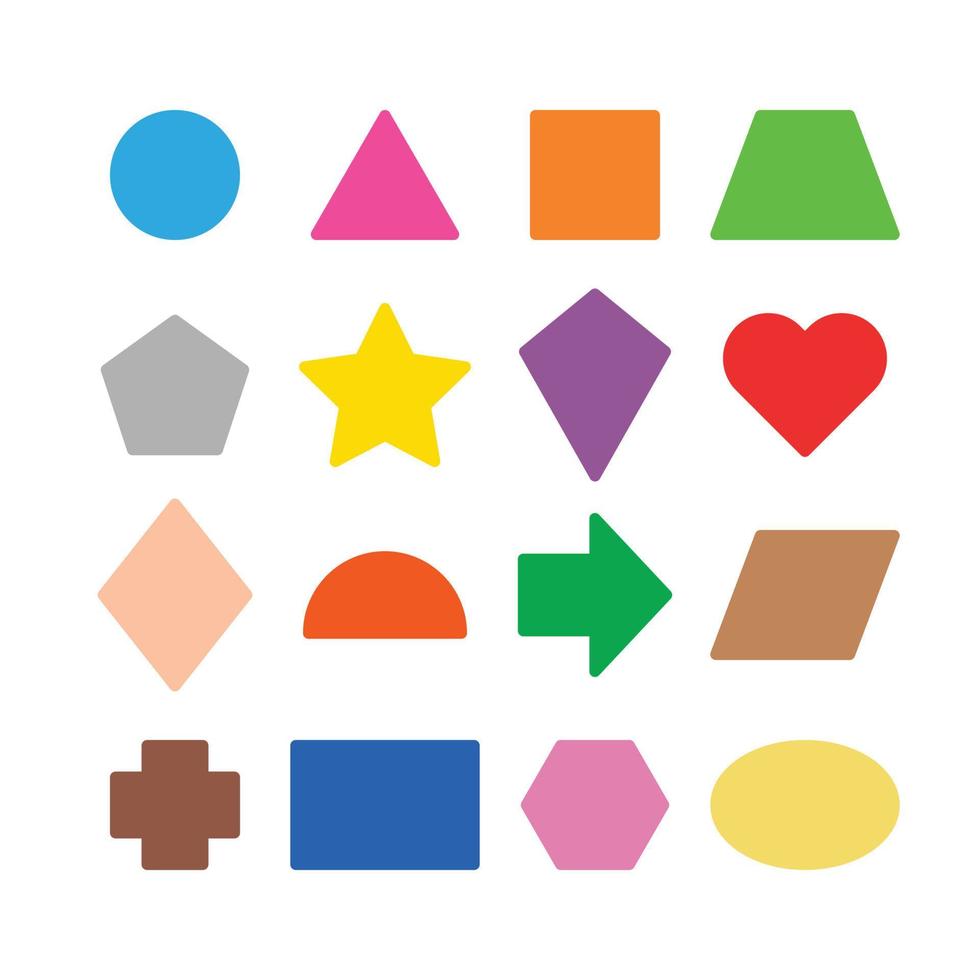
2D means two-dimensional Flat shapes with length and width No thickness - like drawings on paper We can see them everywhere!
Parts of a Shape: Sides
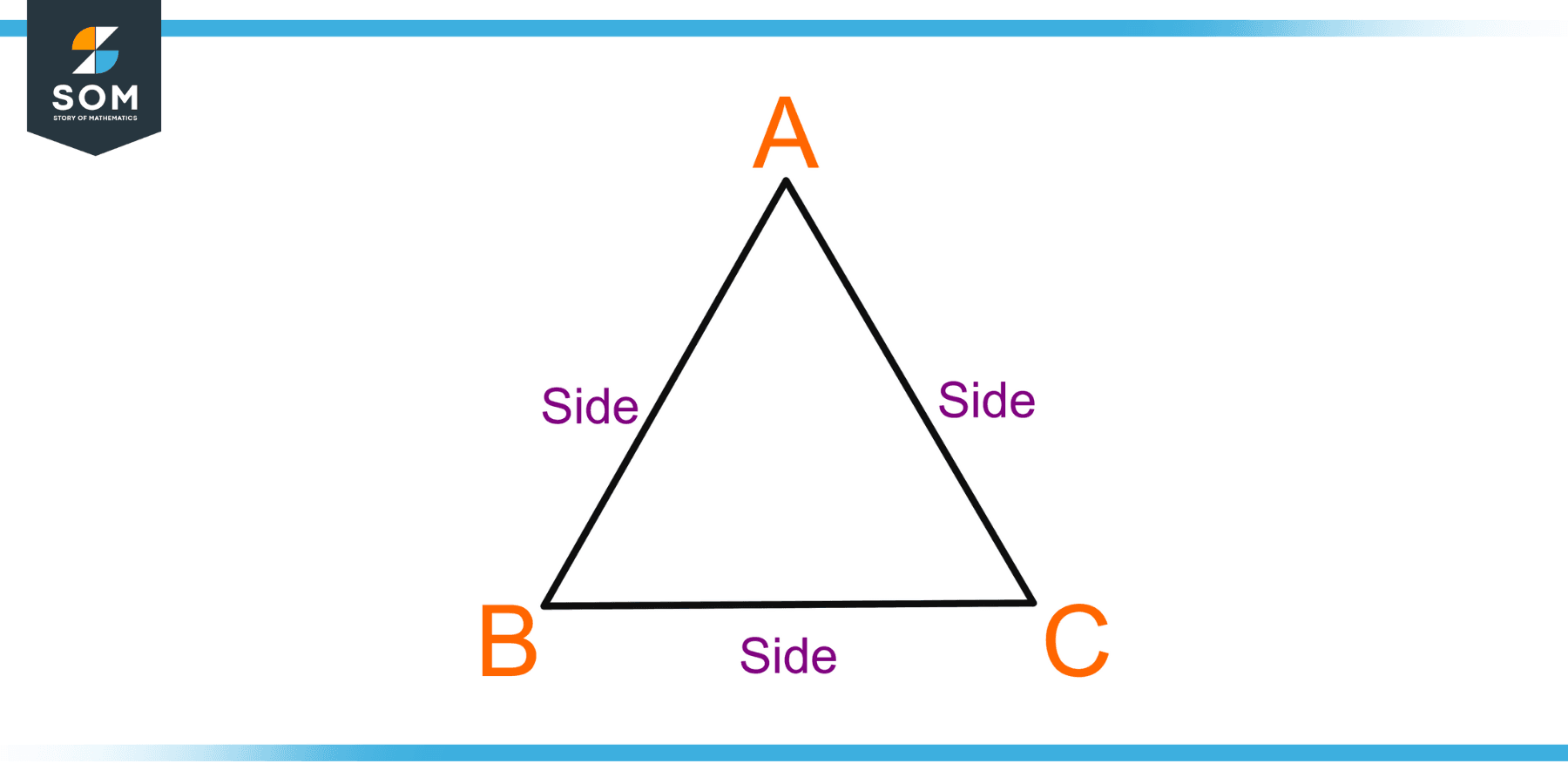
Sides are the straight edges Count the sides by pointing Different shapes have different numbers Let's practice counting together!
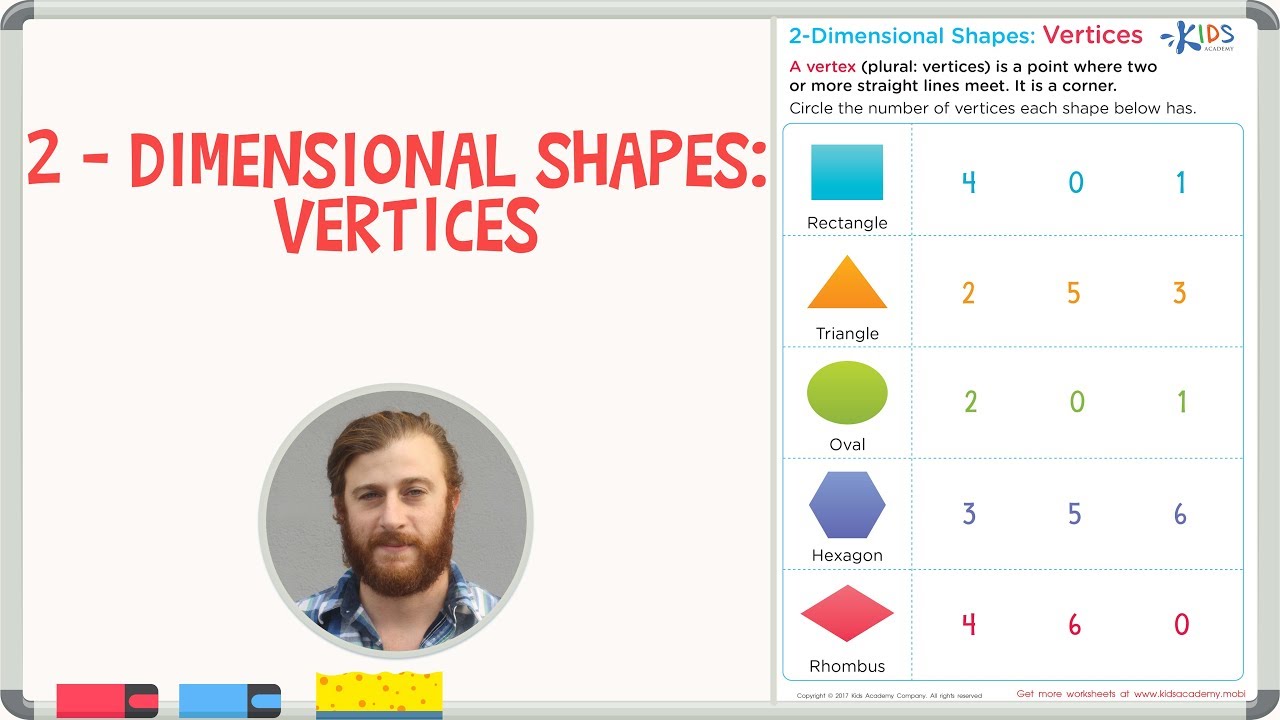
Parts of a Shape: Vertices
Vertices are the corners or points Where two sides meet Also called 'corners' Let's count the vertices!
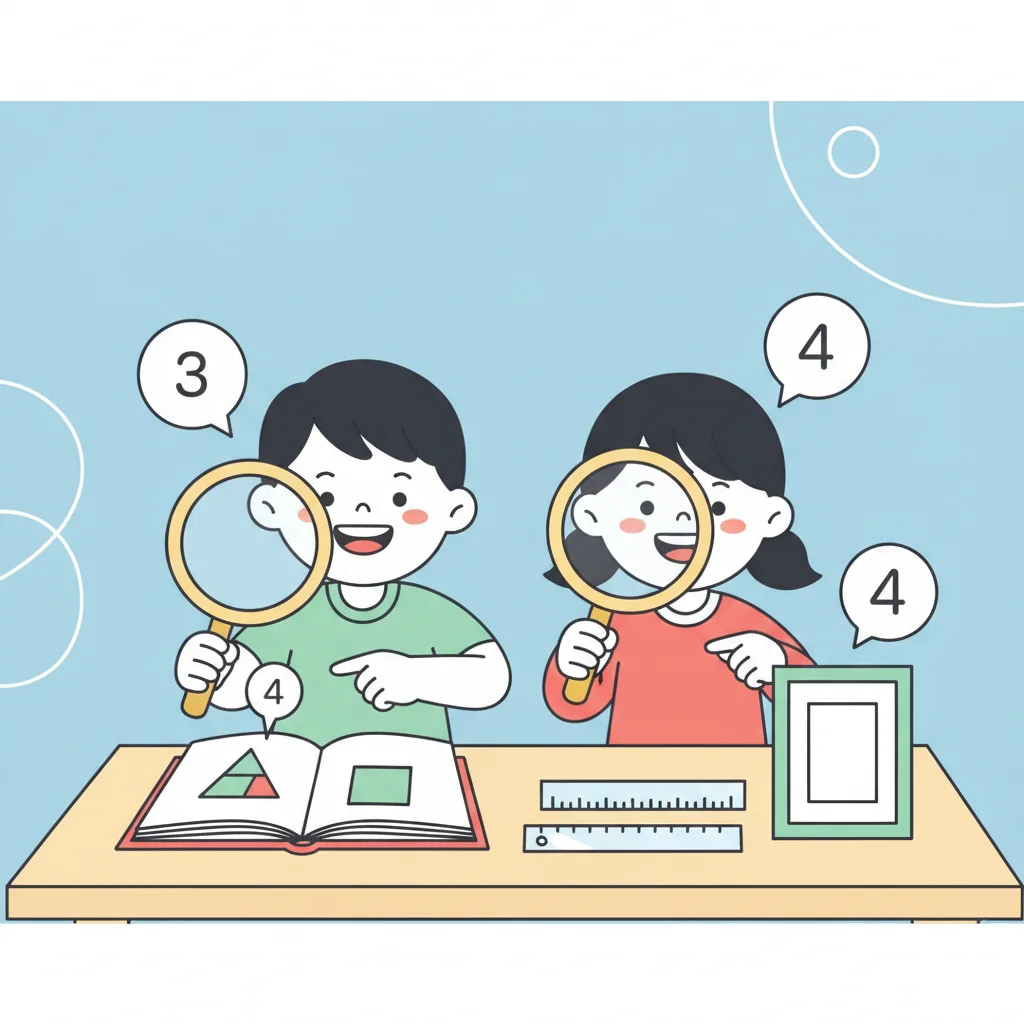
Shape Detective Activity
Find shapes around the classroom Count sides and vertices Share what you discover Work with a partner!
Common 2D Shapes: Basic Shapes
Circle: curved line, no sides or vertices Triangle: 3 sides, 3 vertices Square: 4 equal sides, 4 vertices Rectangle: 4 sides, 4 vertices

More 2D Shapes: Special Quadrilaterals
Parallelogram: opposite sides are parallel Rhombus: 4 equal sides like a diamond Trapezium: has one pair of parallel sides All have 4 sides and 4 vertices!

Comparing Shapes
{"left":"Triangle has 3 sides\nSquare has 4 equal sides\nCircle has no straight sides","right":"Rectangle has 4 sides (2 long, 2 short)\nParallelogram has opposite sides equal\nRhombus looks like a tilted square"}
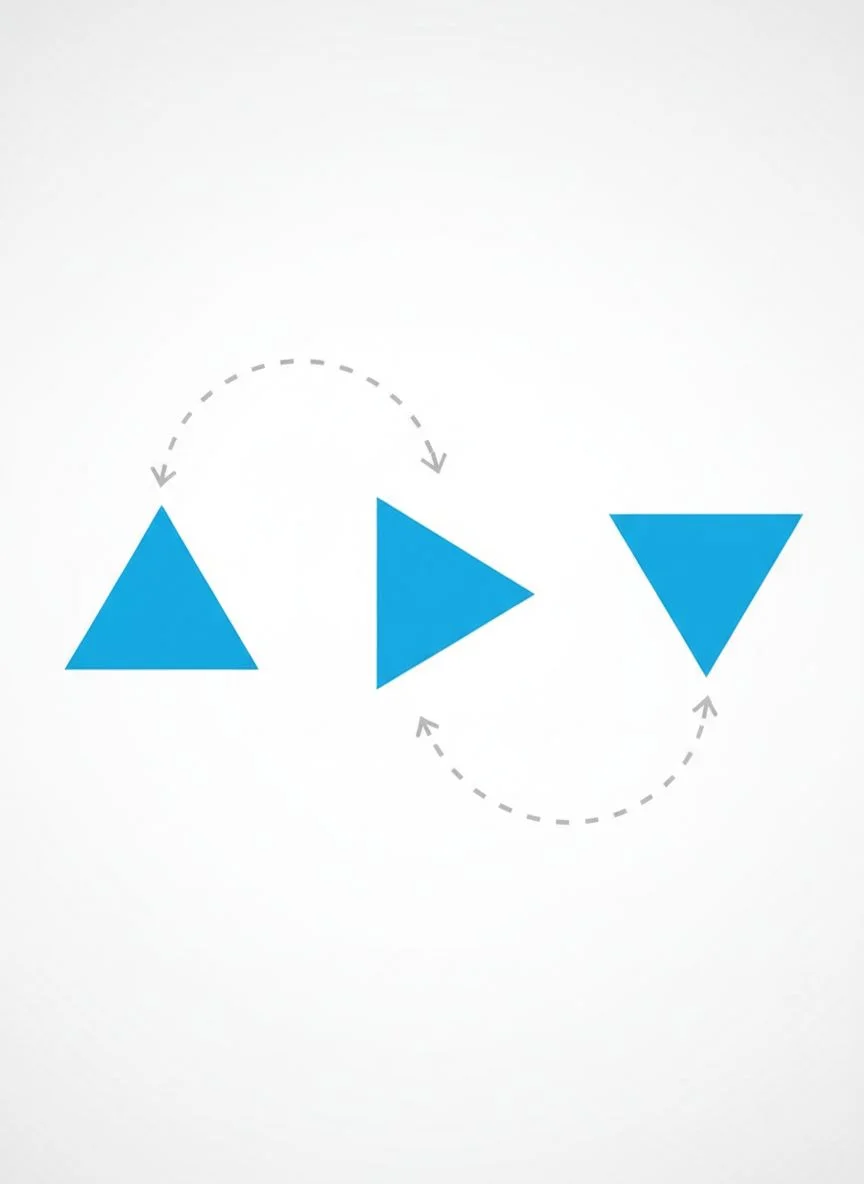
What are Transformations?
Moving shapes to new positions The shape stays the same Only the position changes Like moving a toy around!
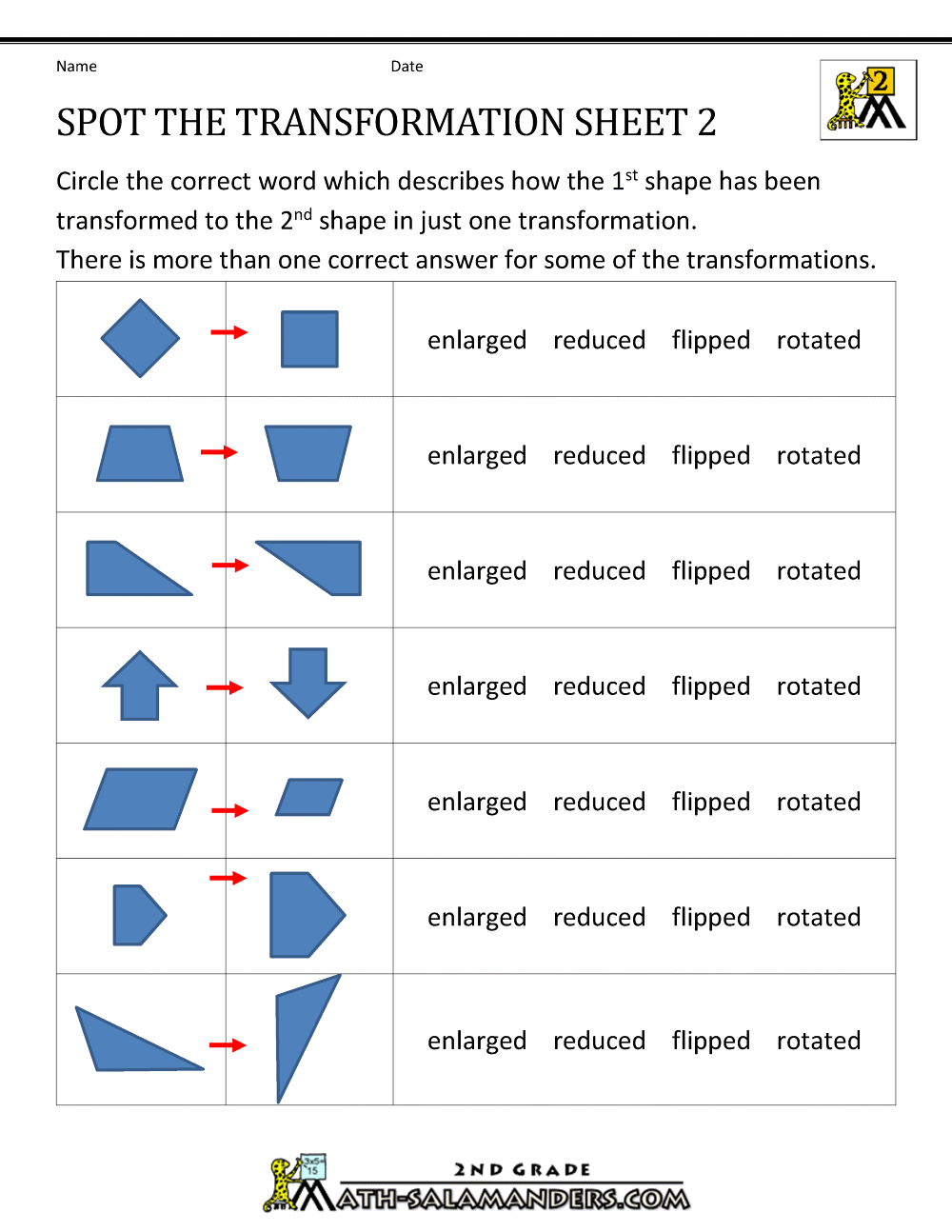
Slides (Translation)
Sliding moves a shape Like pushing a book across a table The shape doesn't turn or flip It just moves to a new spot!
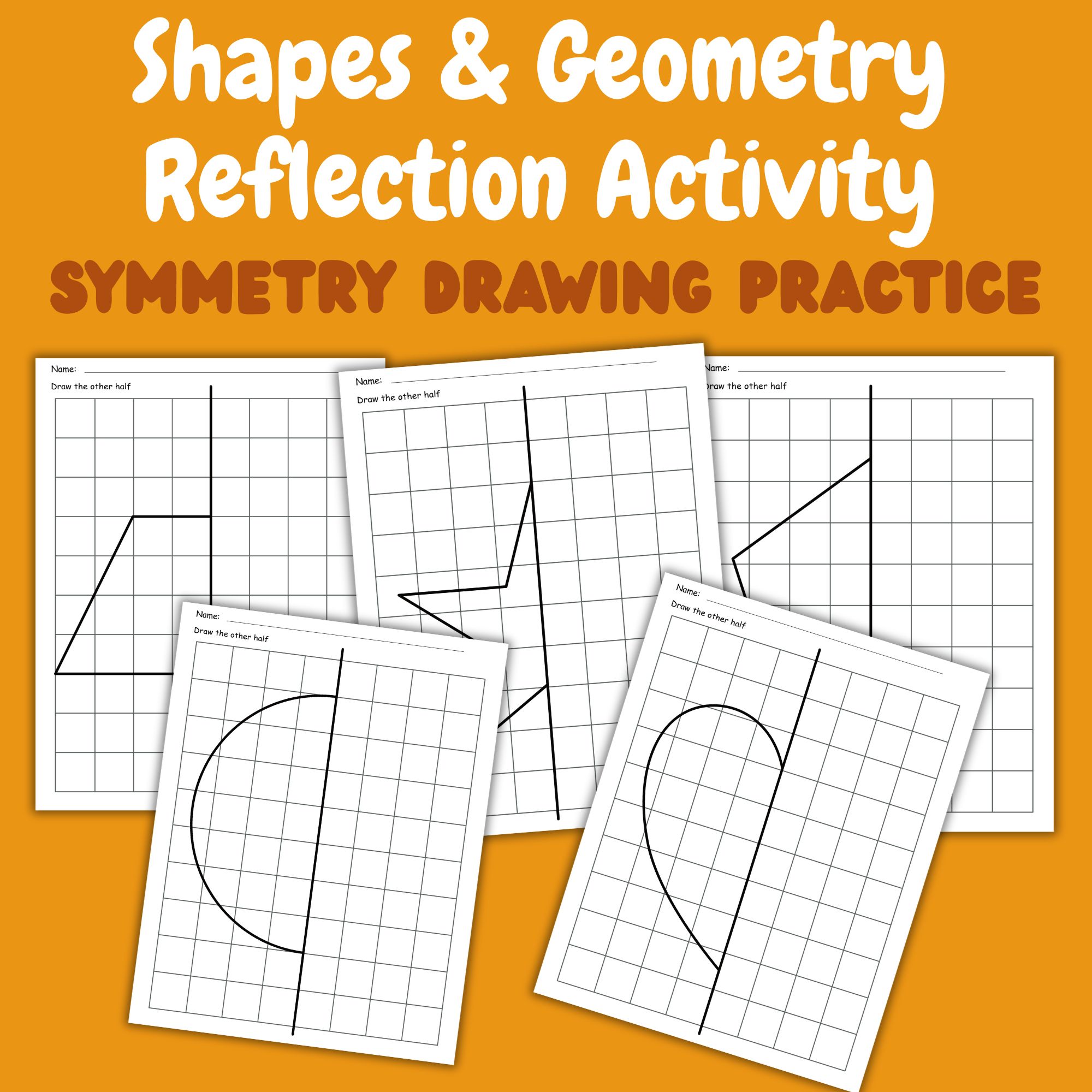
Reflections (Flipping)
Reflection creates a mirror image Like looking in a mirror The shape flips over a line Both shapes are the same size!
2 more slides available after you open the deck.
Download all 14 slides