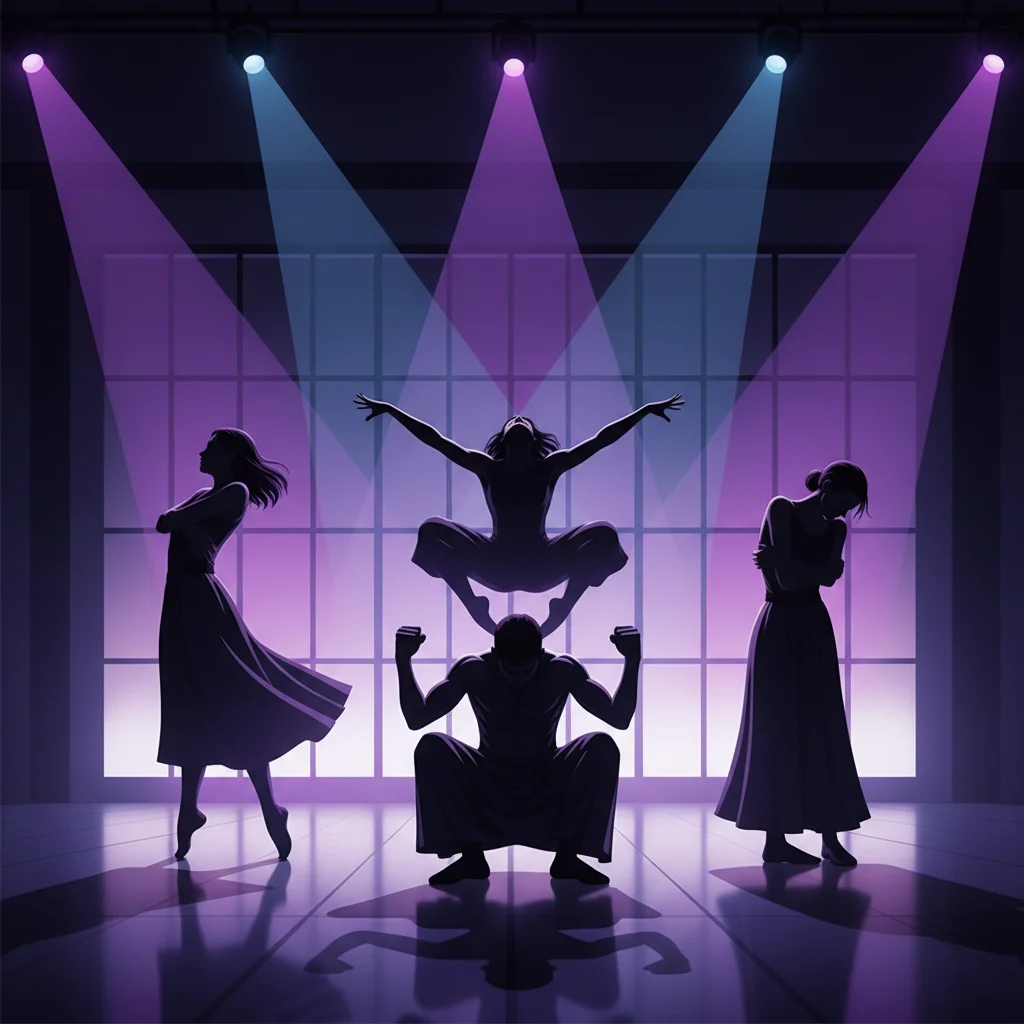
Dynamic Physical Theatre Exploration Introduction
Year 10 Drama Introduction to Physical Theatre Movement as Communication
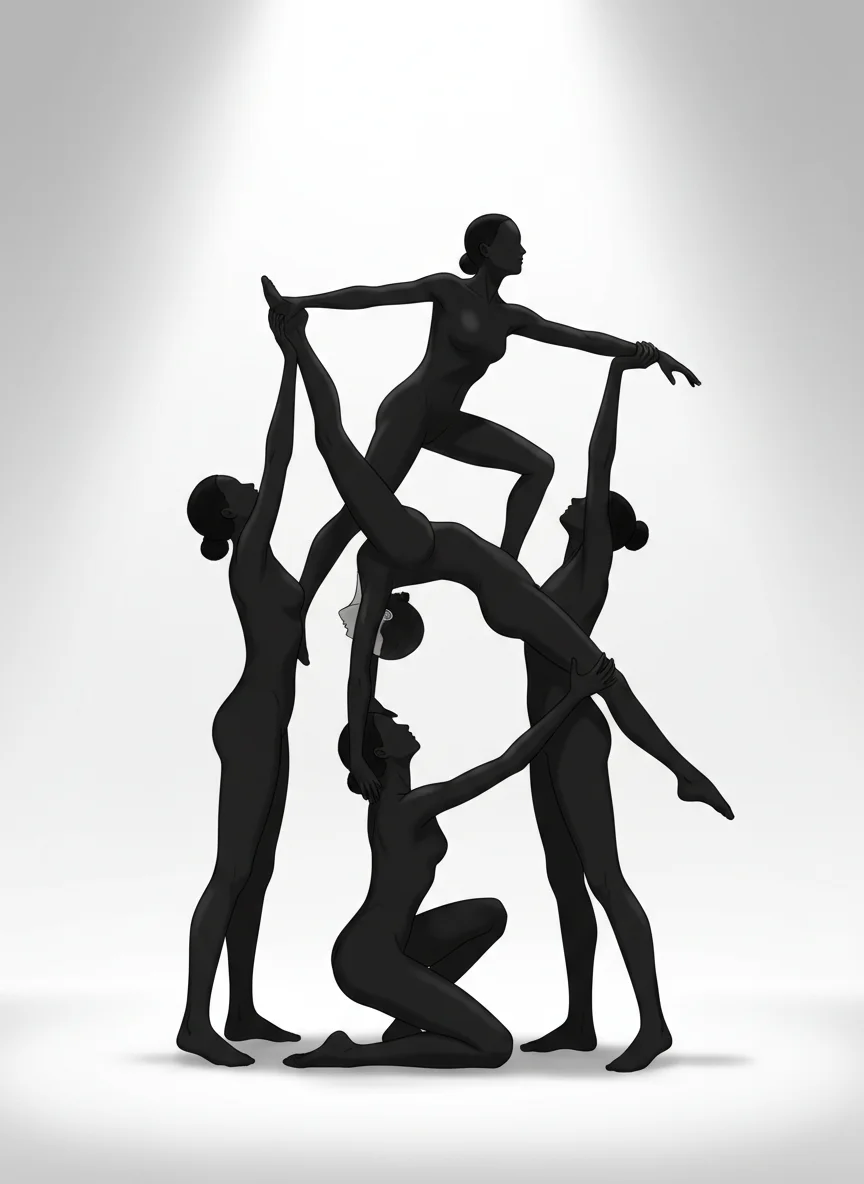
What is Physical Theatre?
Theatre that uses the body as the primary means of storytelling Minimal or no dialogue - movement communicates meaning Combines dance, mime, acrobatics and traditional acting Focuses on physical expression, gesture and spatial relationships
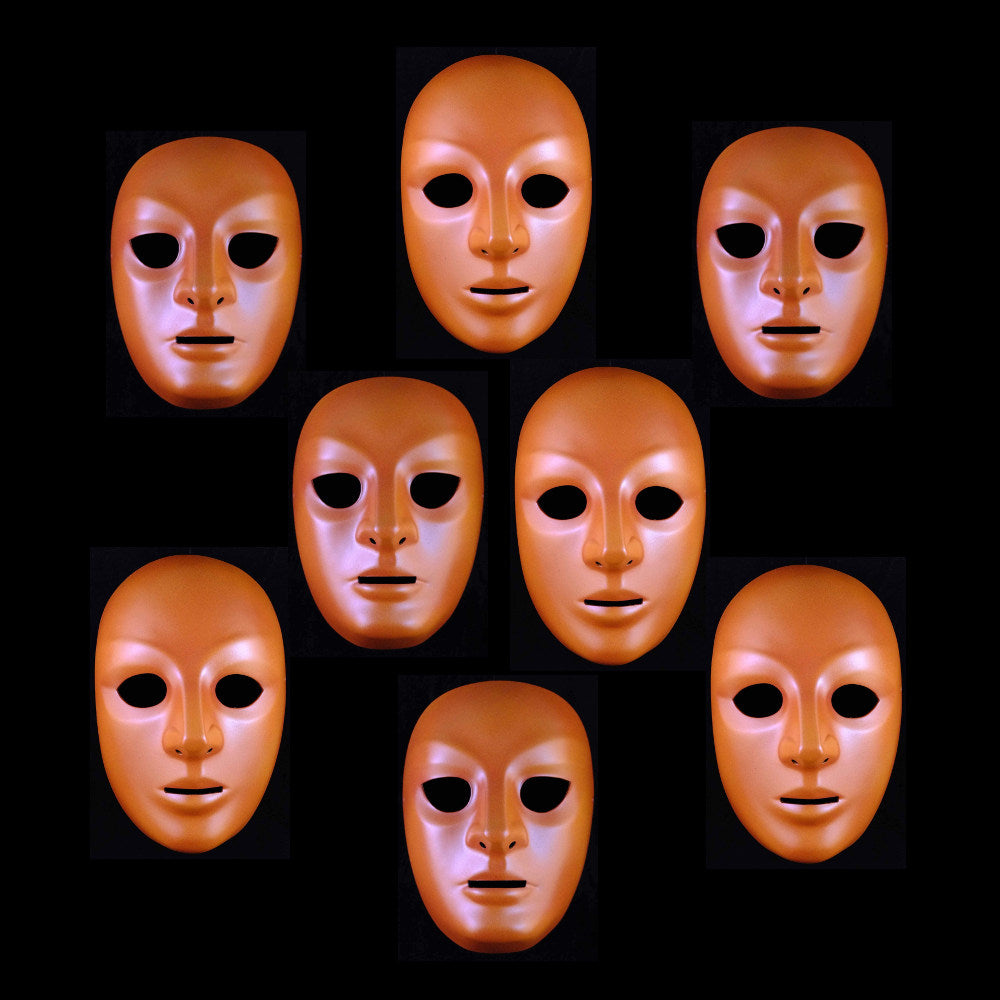
Key Pioneers of Physical Theatre
{"left":"Jacques Lecoq - French teacher who developed neutral mask work and physical analysis\nPina Bausch - German choreographer who created Tanztheater (dance-theatre)","right":"DV8 Physical Theatre - British company known for risk-taking and physical storytelling\nFrantic Assembly - Contemporary company blending text with dynamic physicality"}
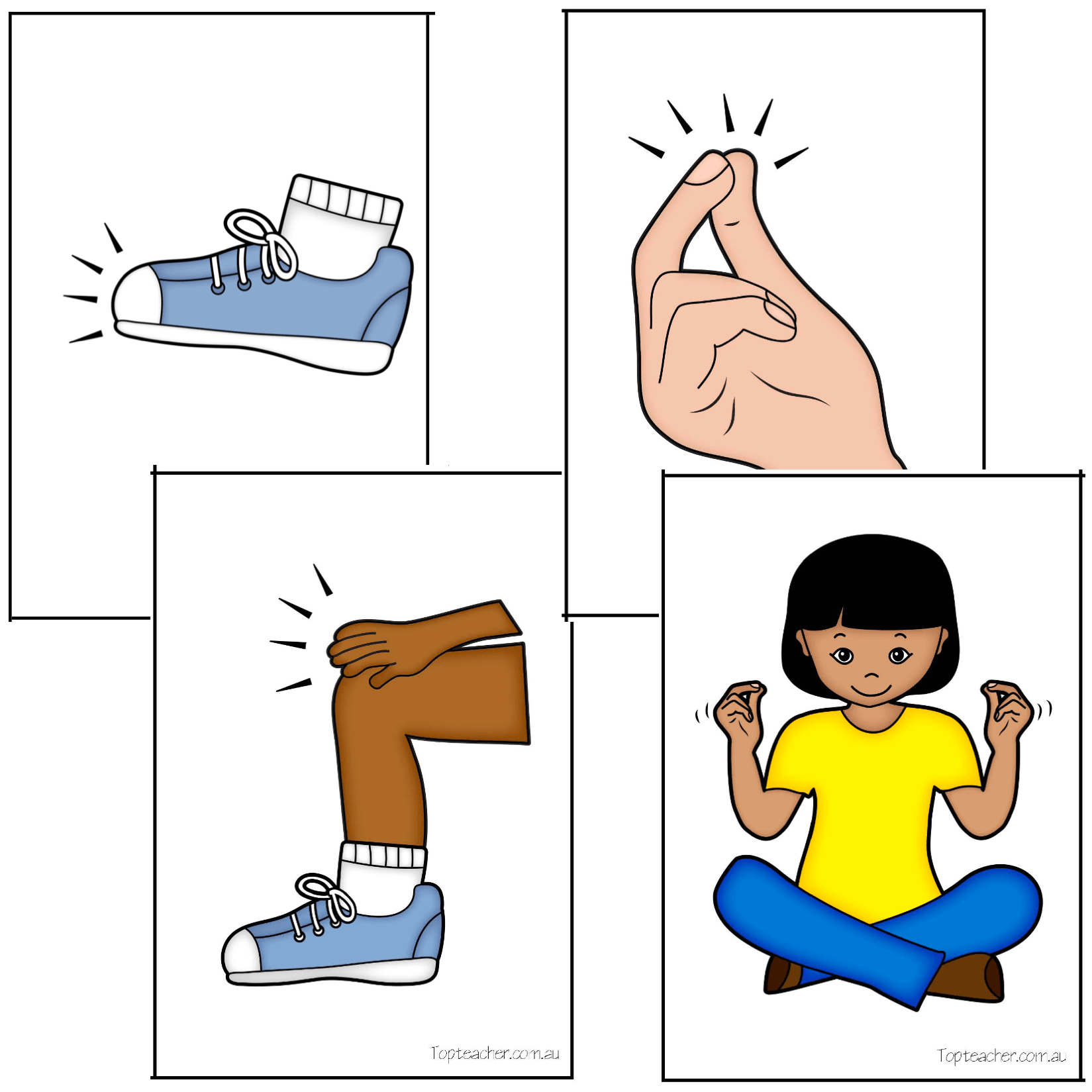
Physical Warm-Up Challenge
Body percussion rhythm circle Dynamic stretching sequence Breathing and focus exercises Simple coordination drills with partners
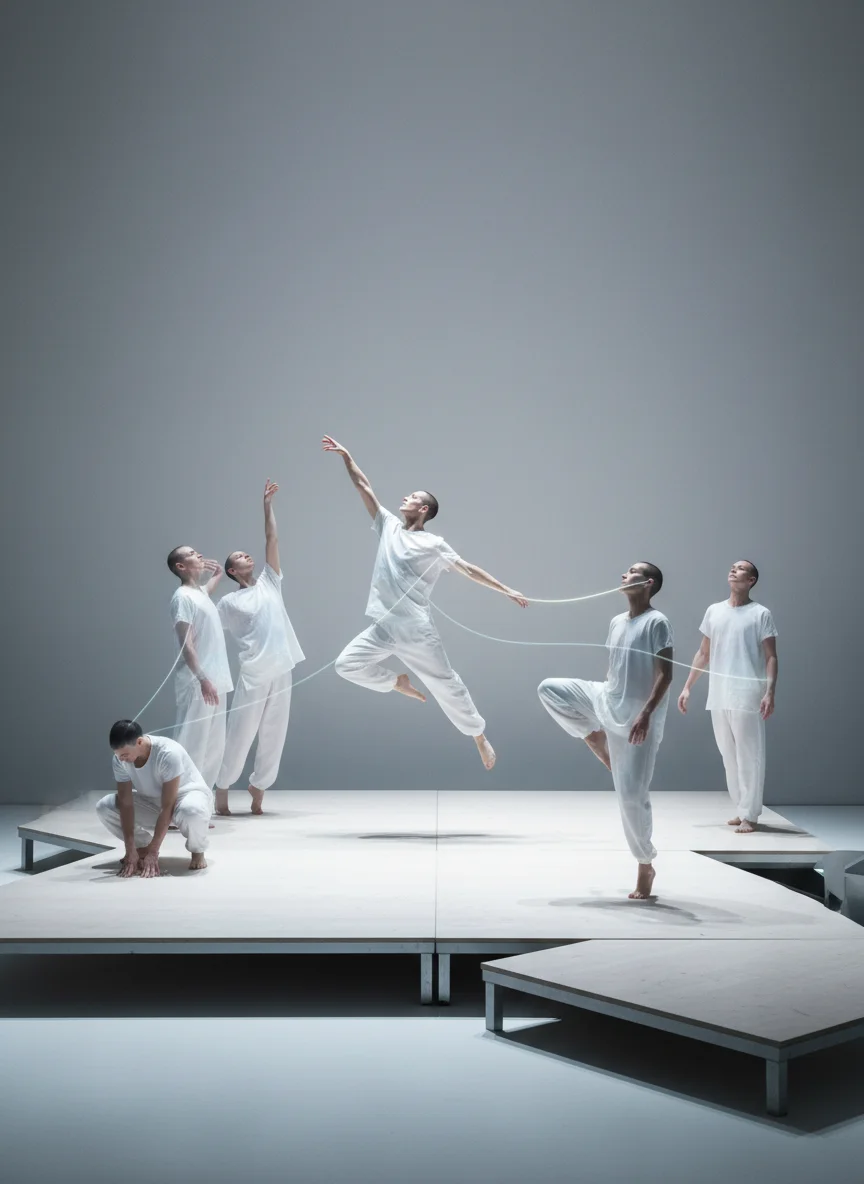
Elements of Drama in Physical Theatre
Movement - How the body travels through space Tension - Contrast between relaxation and controlled energy Space - Proximity, levels, and spatial relationships Rhythm - Timing and tempo of physical actions

Mirror Exercise Exploration
Partner A leads slow, deliberate movements Partner B mirrors exactly, maintaining eye contact Switch roles every 2 minutes Progress to simultaneous leading - no designated leader
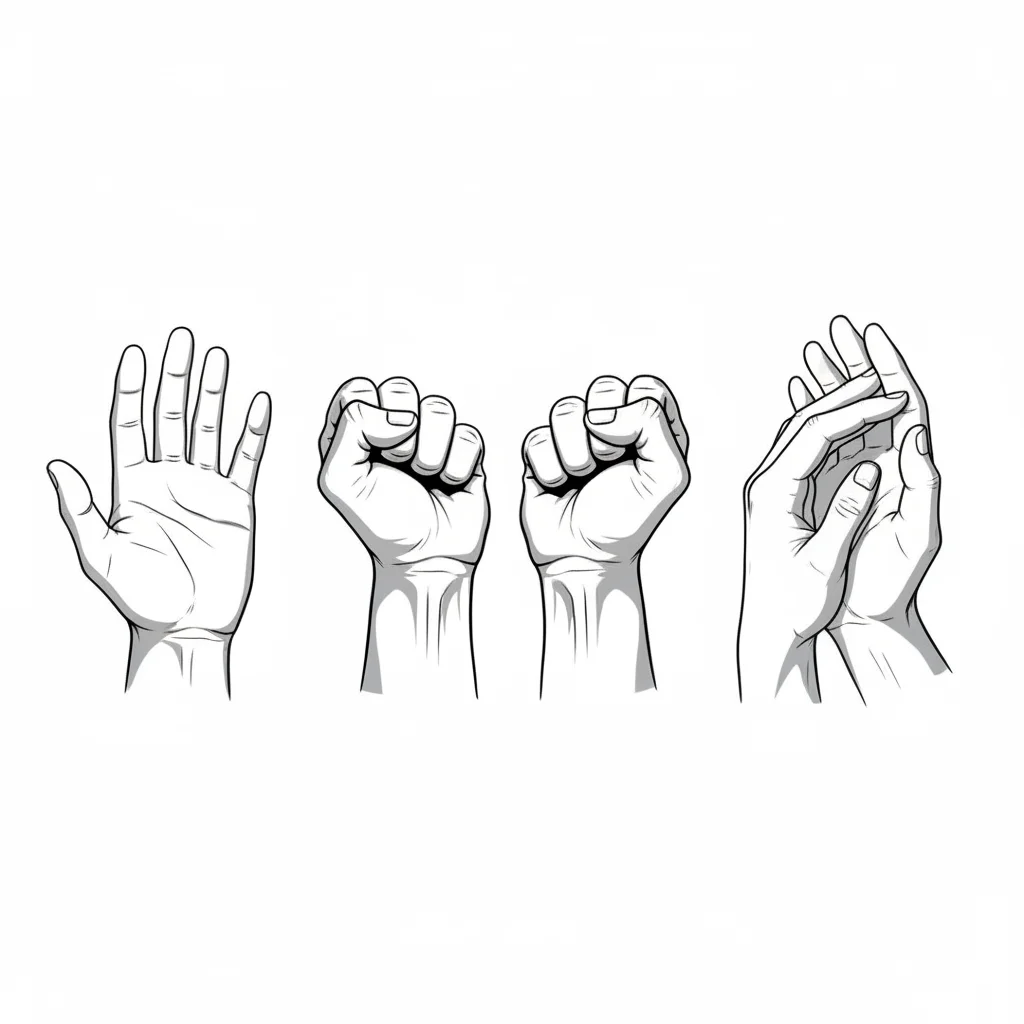
Reflection Question
How can the body communicate emotions and stories without using any words? What did you discover about your own physical awareness during today's activities?
Looking Ahead - Our Physical Theatre Journey
Next lesson: Advanced movement techniques and ensemble work Upcoming: Devising original physical theatre pieces Goal: Perform collaborative physical theatre presentations Remember: Your body is your instrument - practice and explore!