Discrete vs Continuous Random Variables
Year 11 Mathematics Advanced From predicting weather patterns to analyzing stock markets - random variables shape our world! Understanding the fundamental differences Practical applications and examples Unlock the power of probability in everyday decision-making Design Note: Apply 30% dark overlay to background image for enhanced text readability while maintaining image vibrancy

Learning Objectives
Define discrete and continuous random variables Identify key differences between the two types Recognize real-world examples of each type Apply understanding to practical scenarios

What is a Random Variable?
Think about rolling a die... What are the possible outcomes? How would you describe the result mathematically?
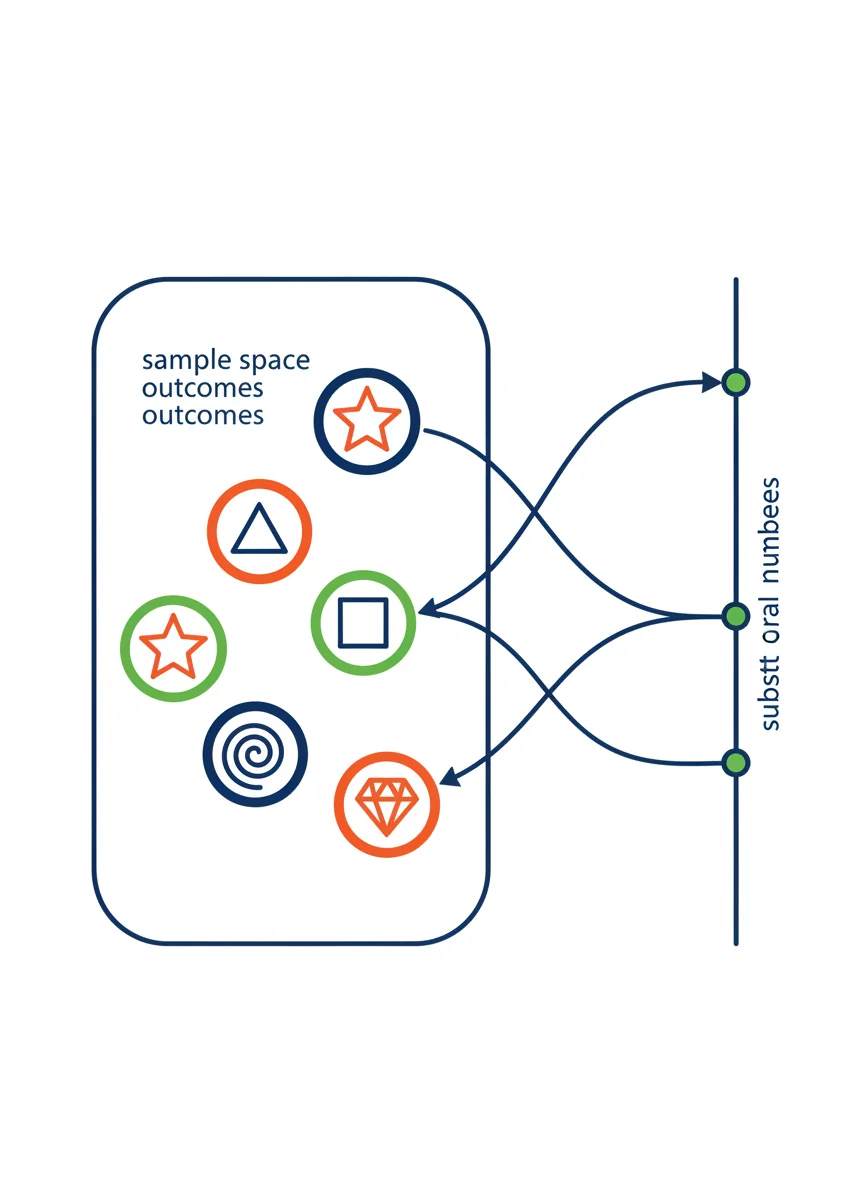
Definition: Random Variable
A function that assigns numerical values to outcomes of a random experiment Denoted by capital letters (X, Y, Z) The actual values are denoted by lowercase letters (x, y, z) Essential tool for probability and statistics

Discrete Random Variables
Takes on countable values Often whole numbers or integers Finite or countably infinite outcomes Can list all possible values

Discrete Examples Activity
Number of students in this class Number of cars in a parking lot Number of goals scored in a football match Number of emails received today

Continuous Random Variables
Takes on uncountably infinite values Can be any value within an interval Often involves measurements Cannot list all possible values

Continuous Examples Activity
Height of students in centimeters Time taken to run 100 meters Temperature in degrees Celsius Weight of apples in kilograms

Key Differences Comparison
{"left":"Countable values\nGaps between possible values\nOften whole numbers\nExamples: dice rolls, number of children","right":"Uncountable values\nNo gaps between possible values\nAny real number in a range\nExamples: height, time, temperature"}
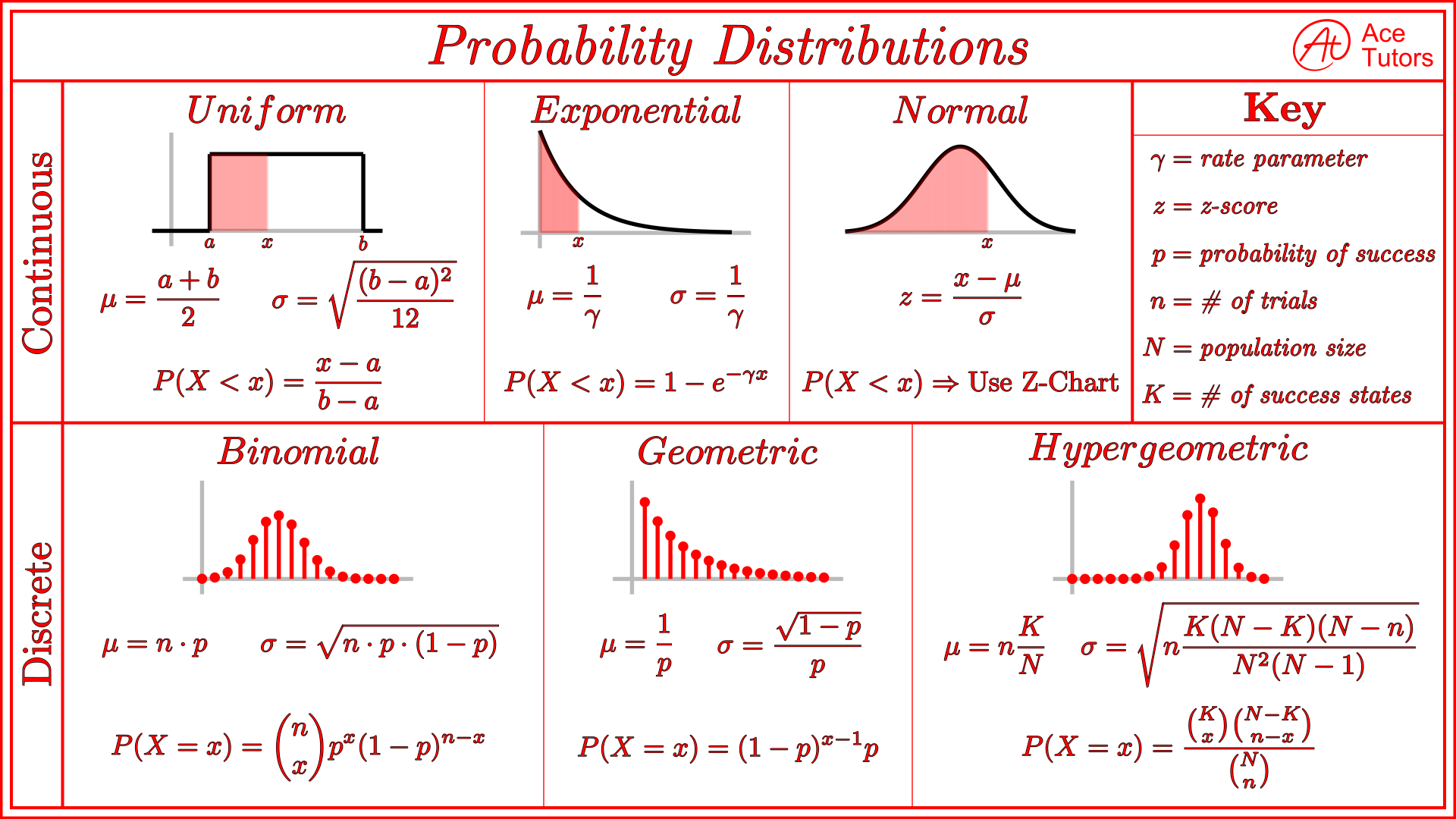
Probability Distributions Comparison

Classification Challenge
Is the number of text messages sent per day discrete or continuous? Is the exact time you wake up tomorrow discrete or continuous? Discuss your reasoning with a partner
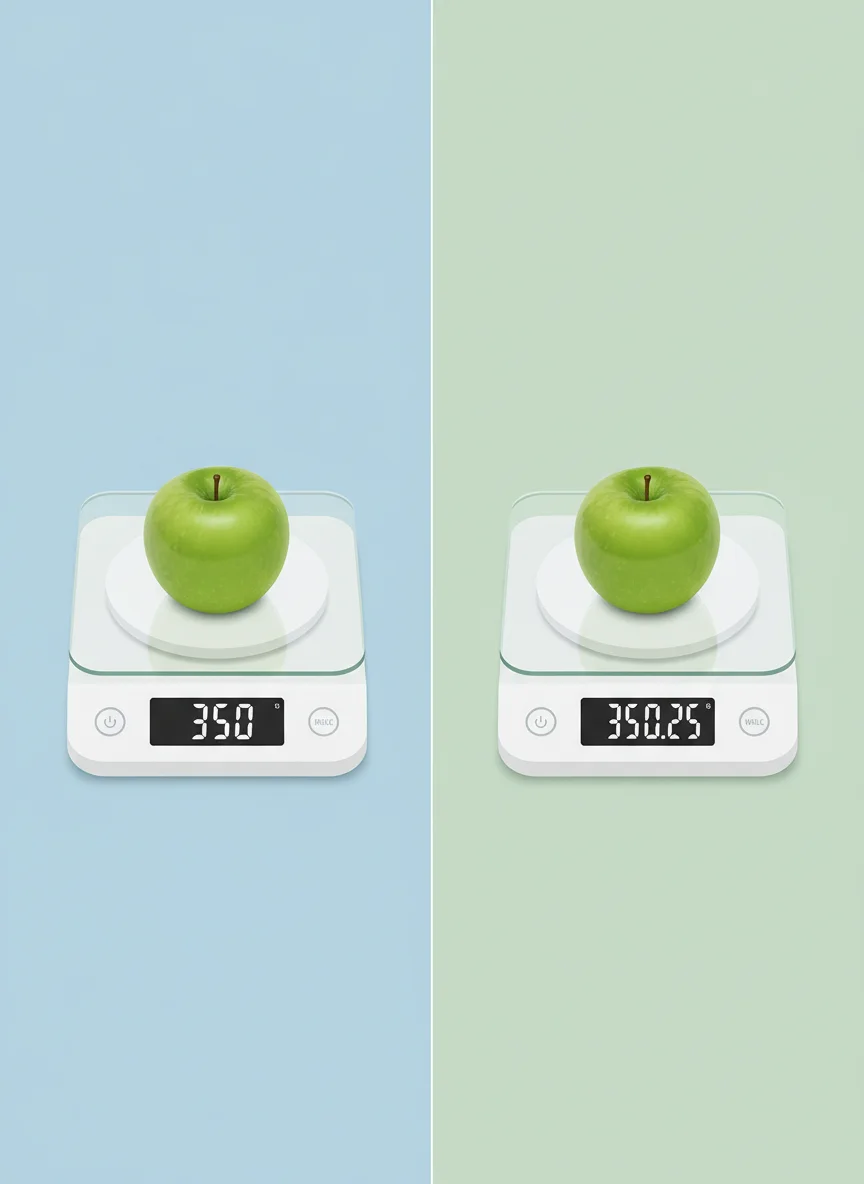
Common Misconceptions
Just because we count something doesn't make it discrete Rounding doesn't change the nature of the variable Context matters in classification Some variables can be treated as either type
4 more slides available after you open the deck.
Download all 16 slides