
Chemical Reaction Rates and Collision Theory
Year 12 VCE Chemistry Understanding factors that control reaction speed Exploring the molecular basis of chemical reactions

WALT - We Are Learning To
Understand and explain factors that influence reaction rates Apply collision theory to predict how changes affect rates of reaction Conduct and analyse a practical experiment demonstrating these concepts Interpret experimental data to evaluate reaction conditions
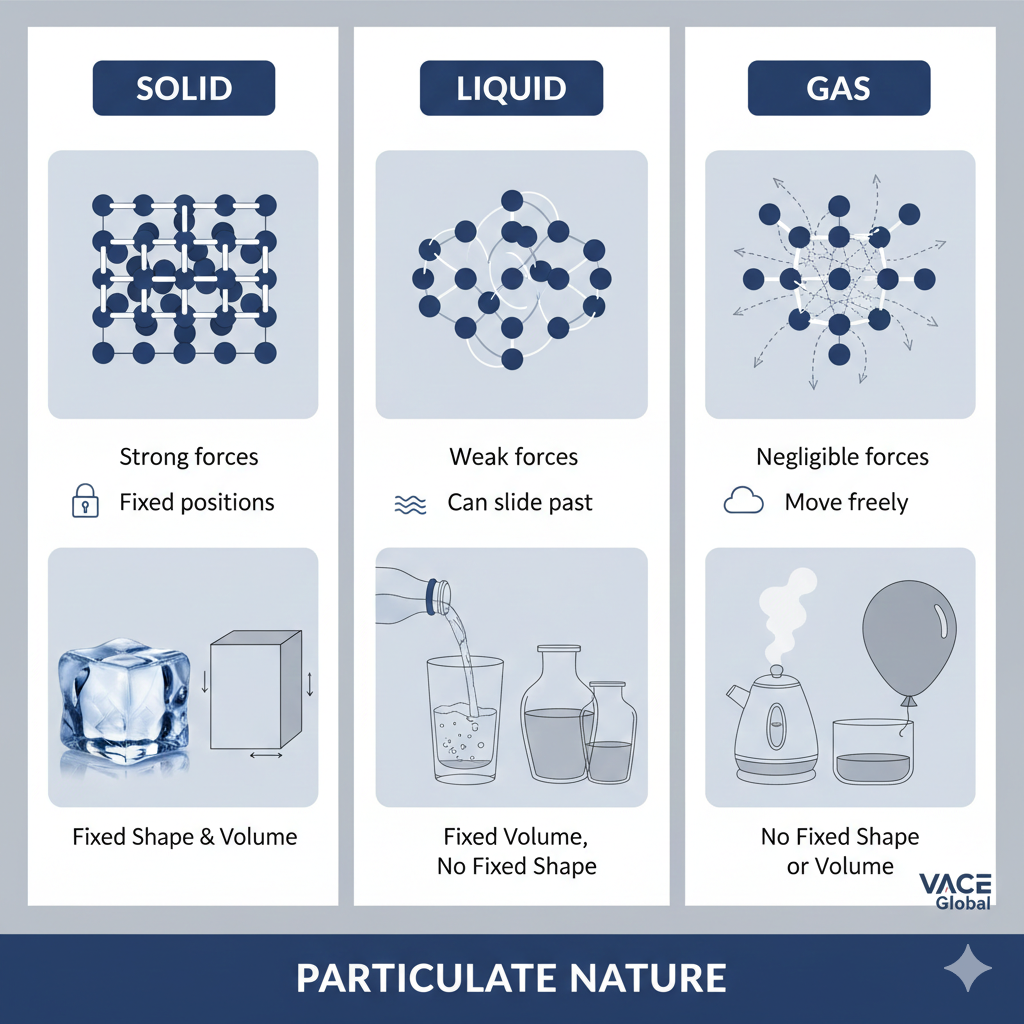
What is Collision Theory?
For a chemical reaction to occur, reactant particles must collide with sufficient energy and proper orientation
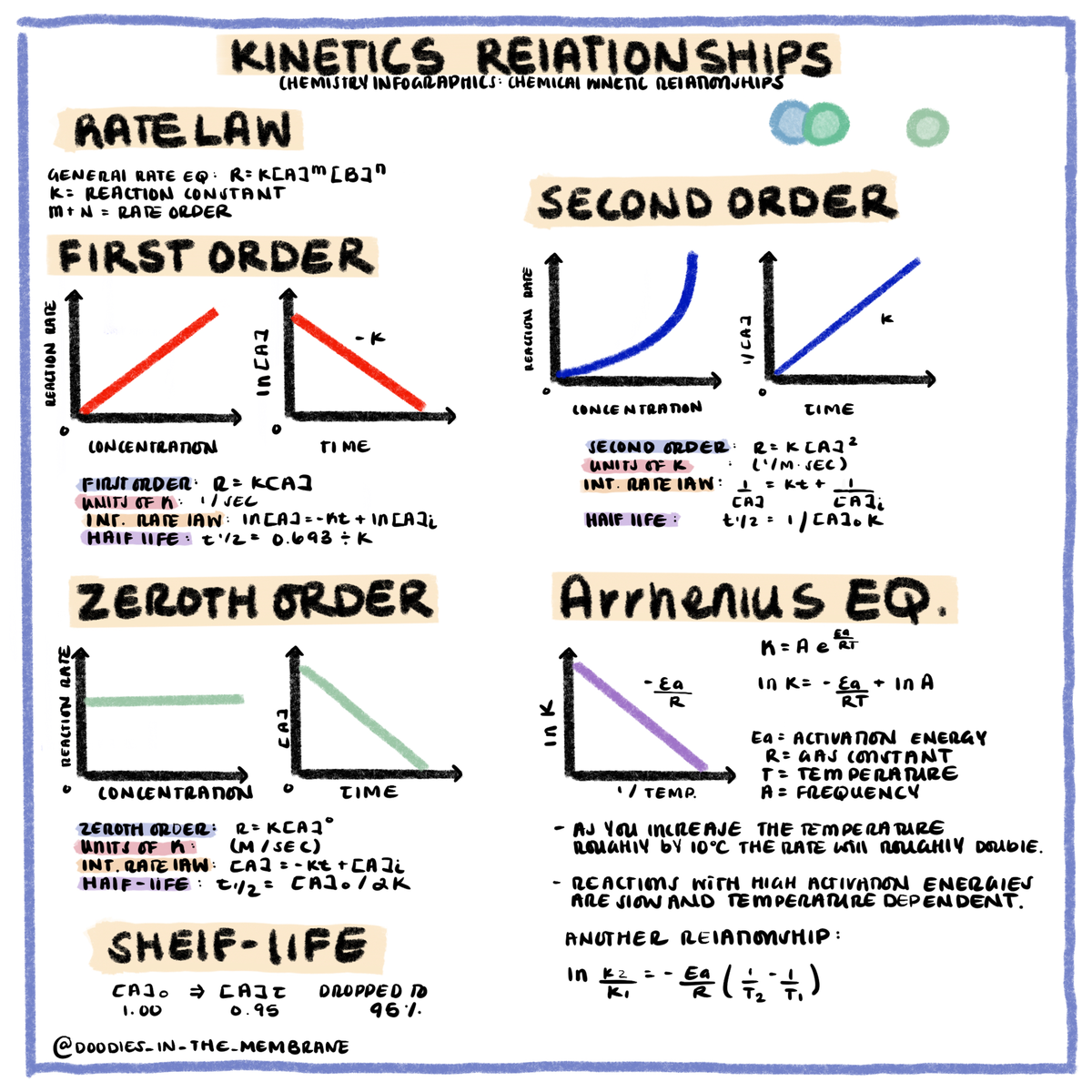
Factors Affecting Reaction Rates
{"left":"Concentration - Higher concentration means more particles in a given volume, leading to more frequent collisions\nSurface Area - Smaller particles or powdered solids have more exposed surface area for reactions to occur","right":"Temperature - Higher temperature increases particle kinetic energy, leading to more energetic collisions\nCatalysts - Provide alternative reaction pathways with lower activation energy requirements"}

Energy Profile Diagram
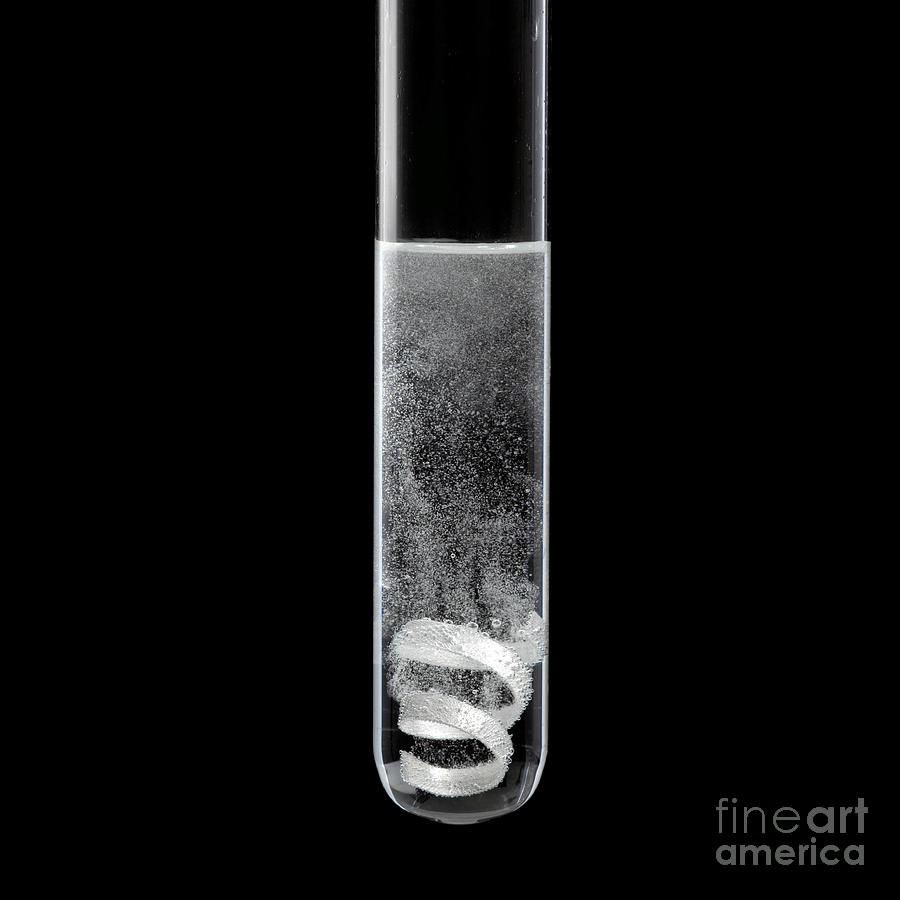
Practical Investigation: Magnesium and Hydrochloric Acid
Observe the effect of concentration on reaction rate Measure time for reaction completion Record observations systematically Work safely with acids and metals
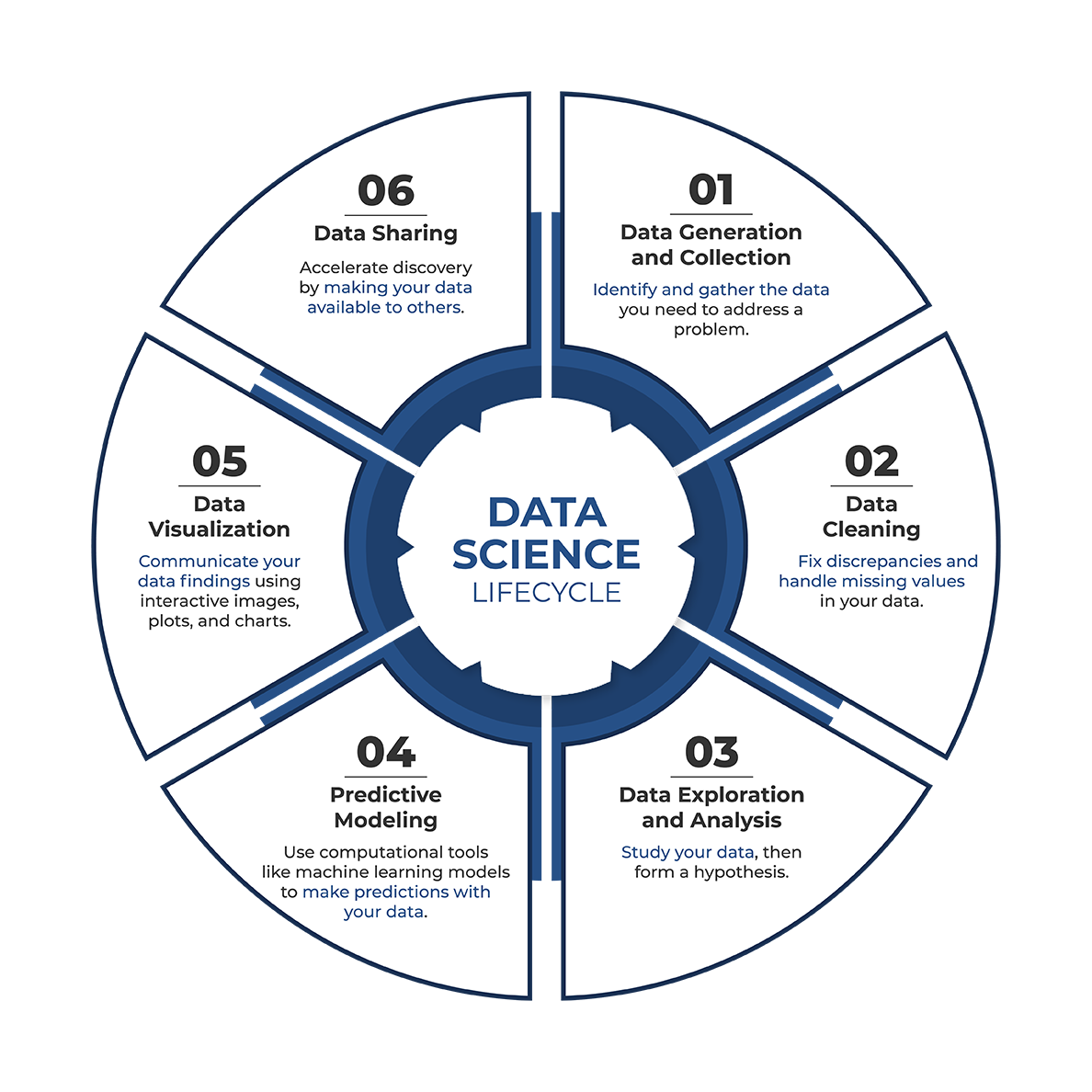
Data Analysis Challenge
Based on your experimental results, how does doubling the concentration affect the reaction rate? Can you explain your observations using collision theory? What would happen if we used magnesium powder instead of ribbon?
Success Criteria - Can You Now...
Accurately identify and describe the four main factors affecting reaction rates? Explain collision theory using activation energy and particle orientation? Interpret experimental data to show the relationship between conditions and reaction rate? Apply safety procedures in chemical experimentation?