
Bread Mould: Investigating Environmental Conditions
Year 6 Science Investigation Understanding how physical conditions affect living things
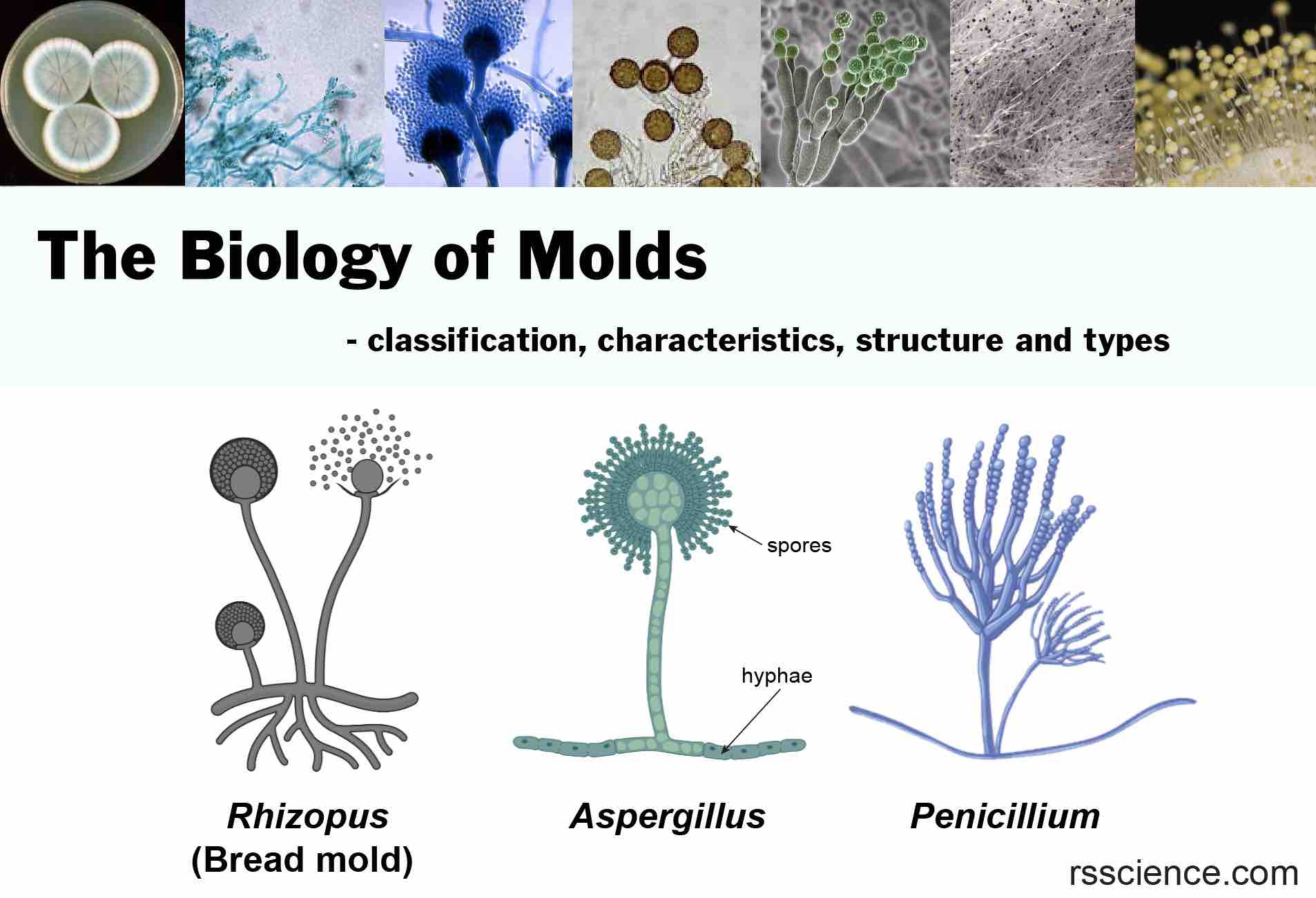
What is Mould?
Mould is a type of fungus - a living organism It grows by releasing tiny spores into the air Mould feeds on organic matter like bread It reproduces quickly under the right conditions

Observation Activity
Look at the bread samples around the room Record your observations in your science journal Which samples have more mould? Which have less? Think about what might be causing the differences
Environmental Factors Affecting Mould Growth
{"left":"Temperature - warmer conditions speed up growth\nMoisture - mould needs water to survive\nLight - some moulds prefer dark conditions","right":"Air circulation - affects moisture and spore movement\npH levels - acidity affects growth rates\nNutrients - mould feeds on sugars and starches in bread"}

What Makes a Good Scientific Question?
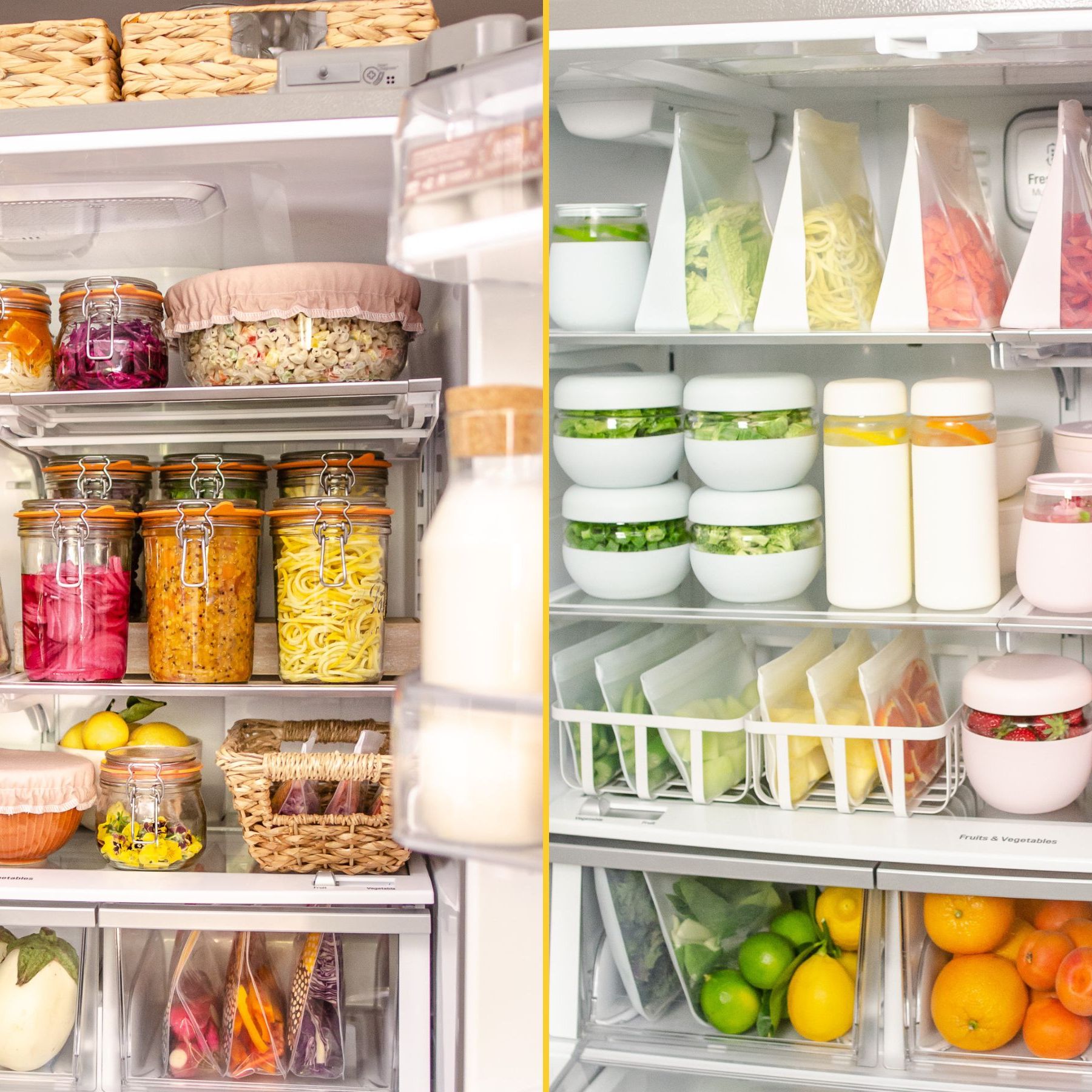
A good investigable question should be: Testable - we can actually test it Specific - clear about what we're measuring Focused - about one main factor Example: 'Does storing bread in the fridge reduce mould growth compared to room temperature?'

Understanding Variables
Independent Variable - what we change (e.g., storage temperature) Dependent Variable - what we measure (amount of mould growth) Controlled Variables - what we keep the same (bread type, slice size, storage time) Fair testing means changing only ONE thing at a time

Making Predictions
Choose one environmental factor to investigate Write a prediction using this format: 'I predict that [condition] will [effect] because [scientific reason]' Example: 'I predict that bread stored in the fridge will have less mould growth because lower temperatures slow down biological processes'

Planning Our Investigation
Next lessons: Design and conduct our bread mould experiment We'll collect data over several days Record observations with photos and measurements Compare results and draw conclusions Present our findings to the class