
Australian Civics and Citizenship Basics
Understanding Your Role as an Australian Citizen Year 7 Civics and Citizenship Building Knowledge for Active Participation
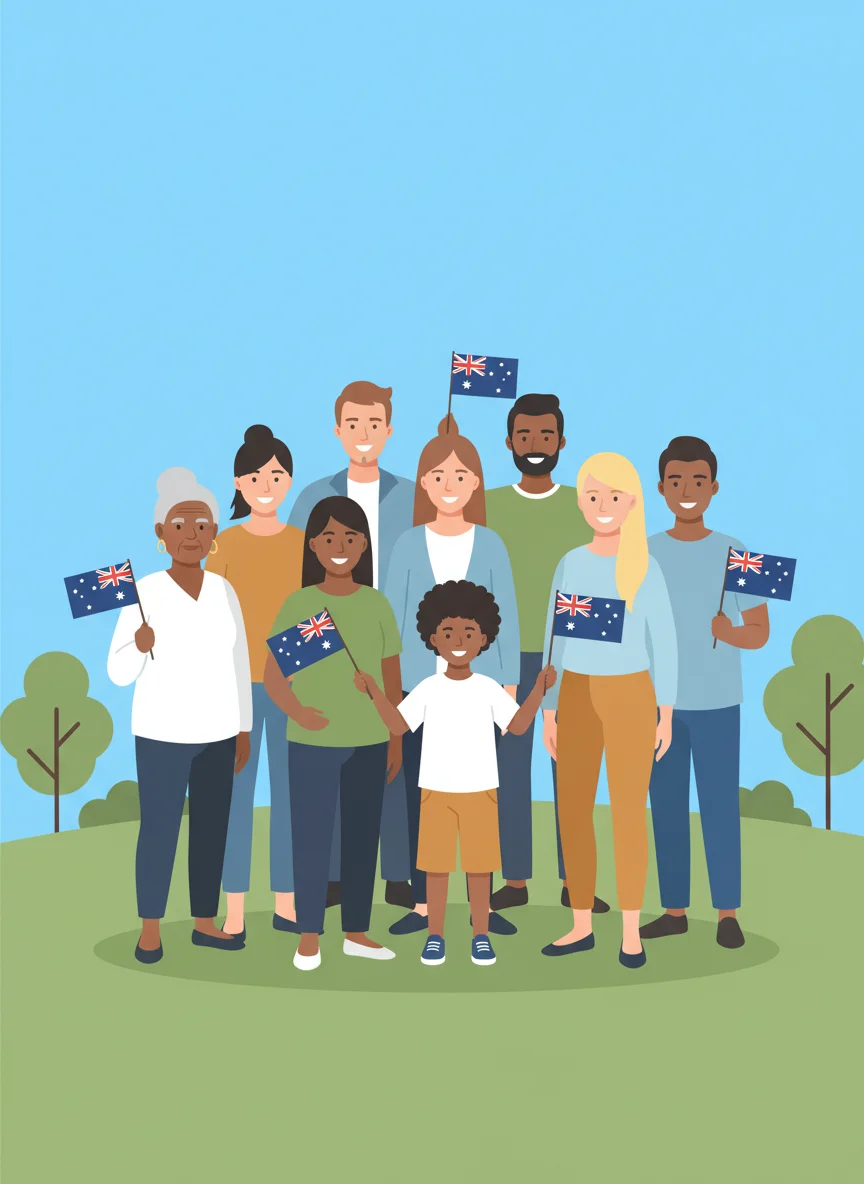
What is Citizenship?
Legal membership of a country Comes with rights and responsibilities Can be gained by birth or naturalisation Creates a bond between individual and nation Enables participation in democratic processes
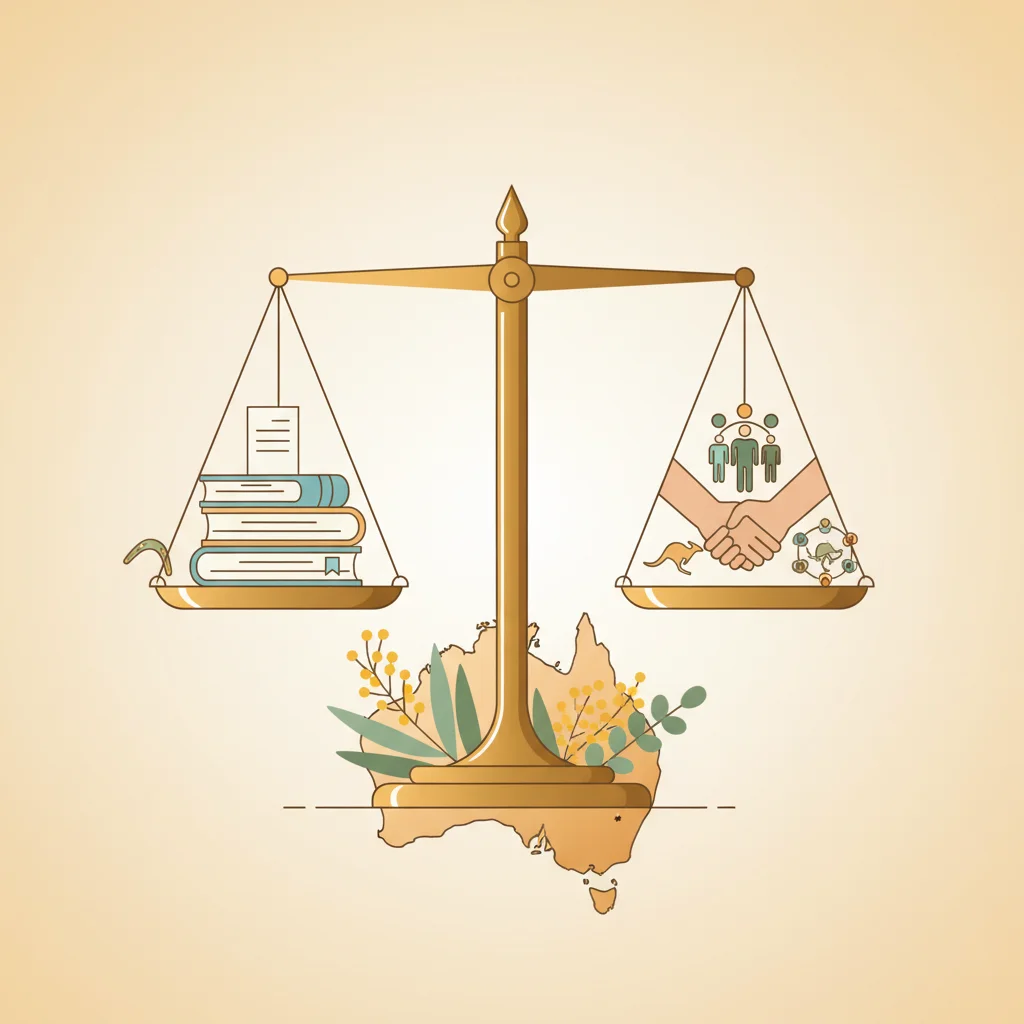
Rights vs Responsibilities
{"left":"Right to vote in elections\nRight to free speech and expression\nRight to a fair trial\nRight to education and healthcare","right":"Responsibility to obey the law\nResponsibility to vote in elections\nResponsibility to serve on juries\nResponsibility to respect others' rights"}

Australian Democracy
Government chosen by the people Three levels: Federal, State, Local Parliamentary system based on Westminster model Regular elections every 3-4 years Rule of law applies to everyone equally
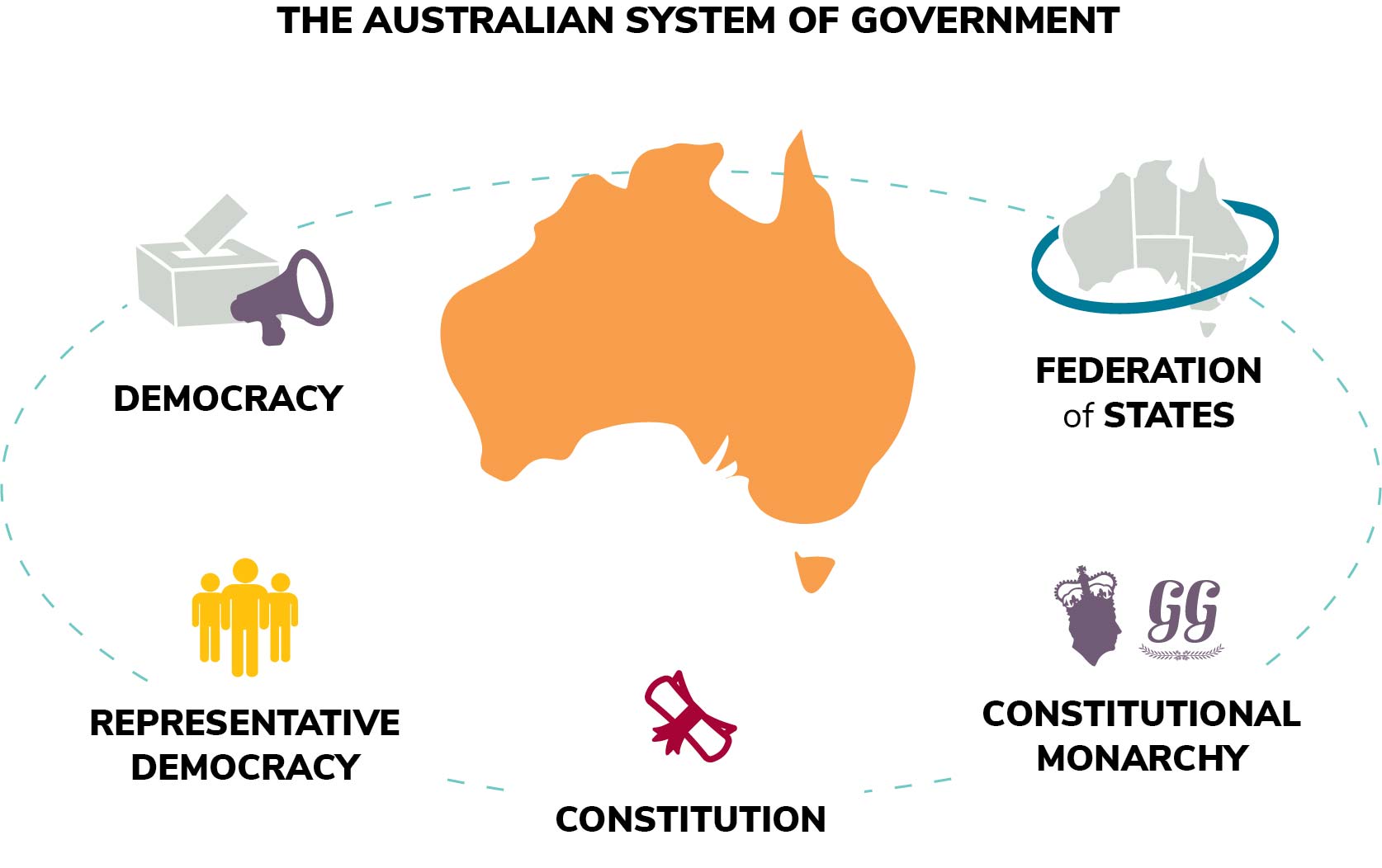
Three Levels of Government
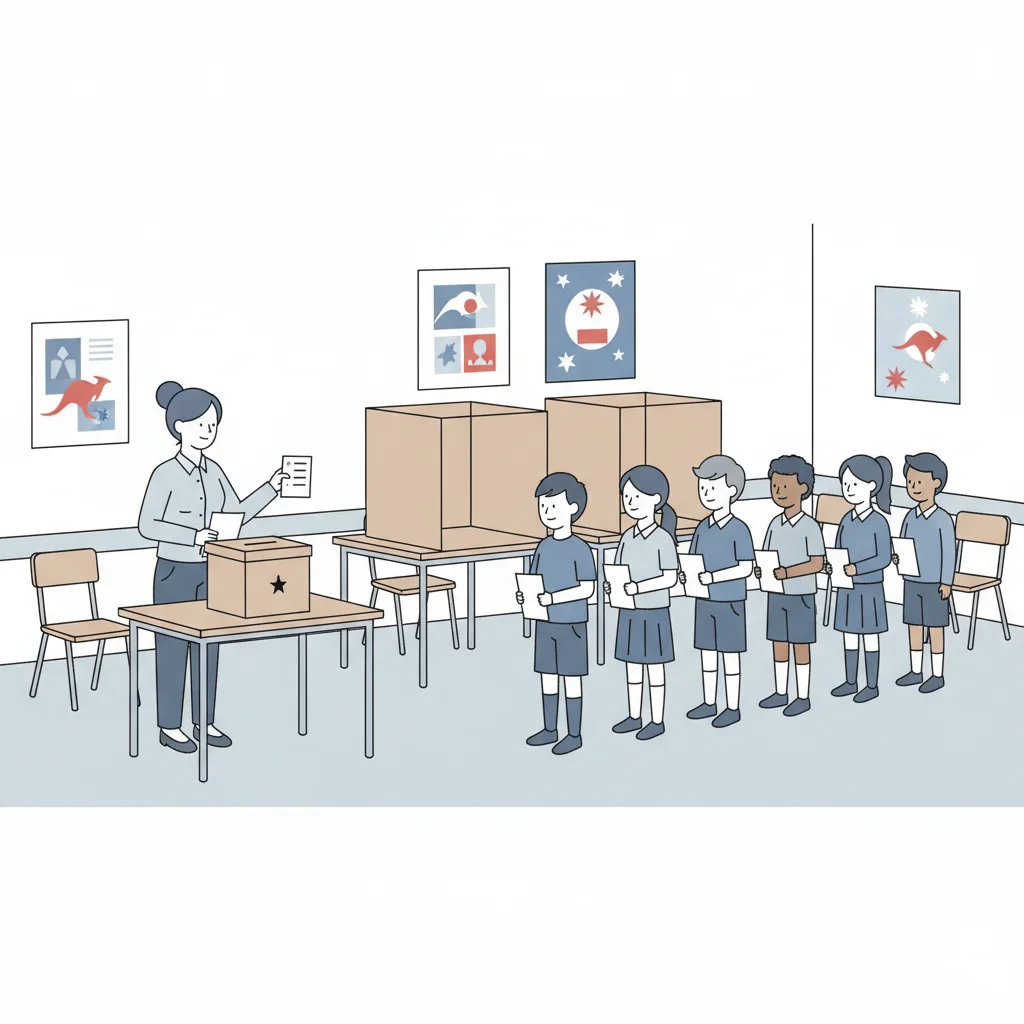
Voting Simulation
Class will vote on a school issue Secret ballot using voting papers Count votes transparently Discuss the democratic process Reflect on importance of every vote
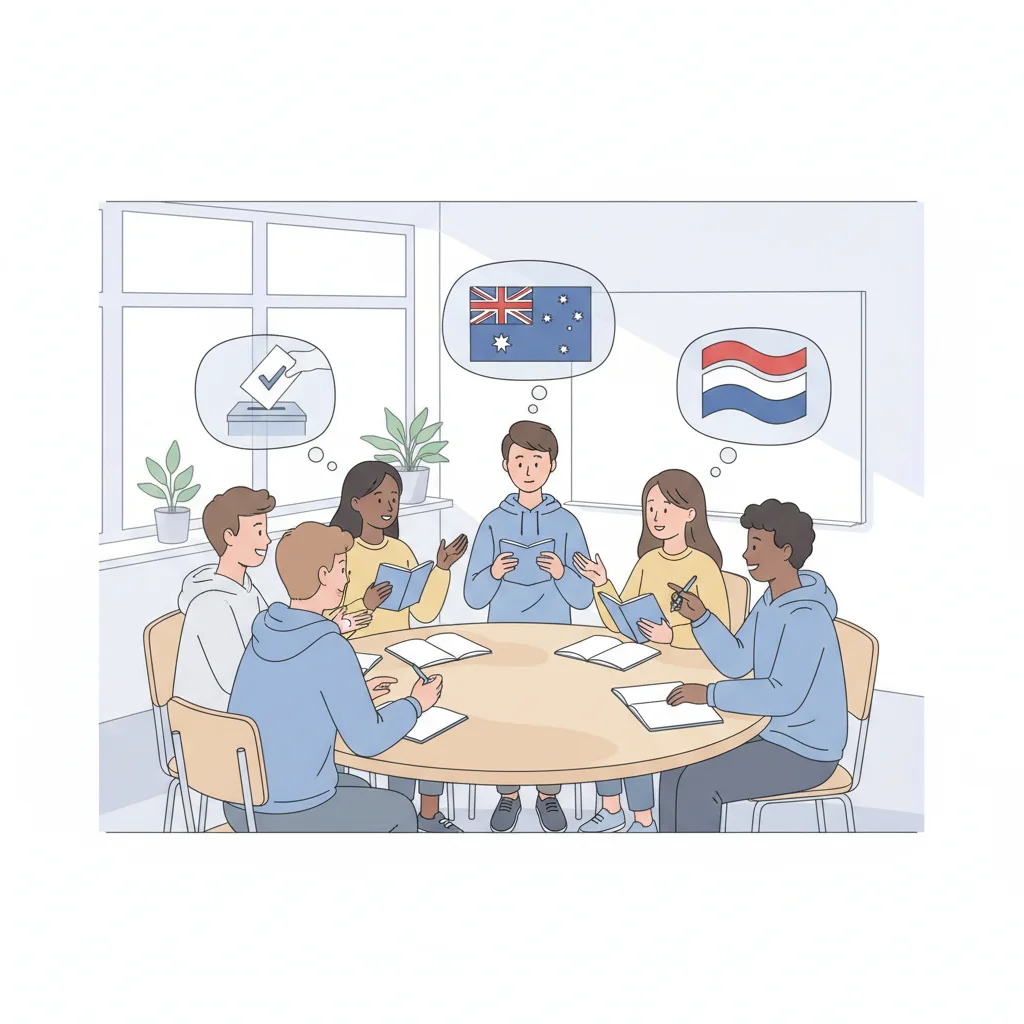
Discussion Question
Why is it important for citizens to vote in elections? What happens if people don't participate in democracy? How can young people get involved before they're old enough to vote?
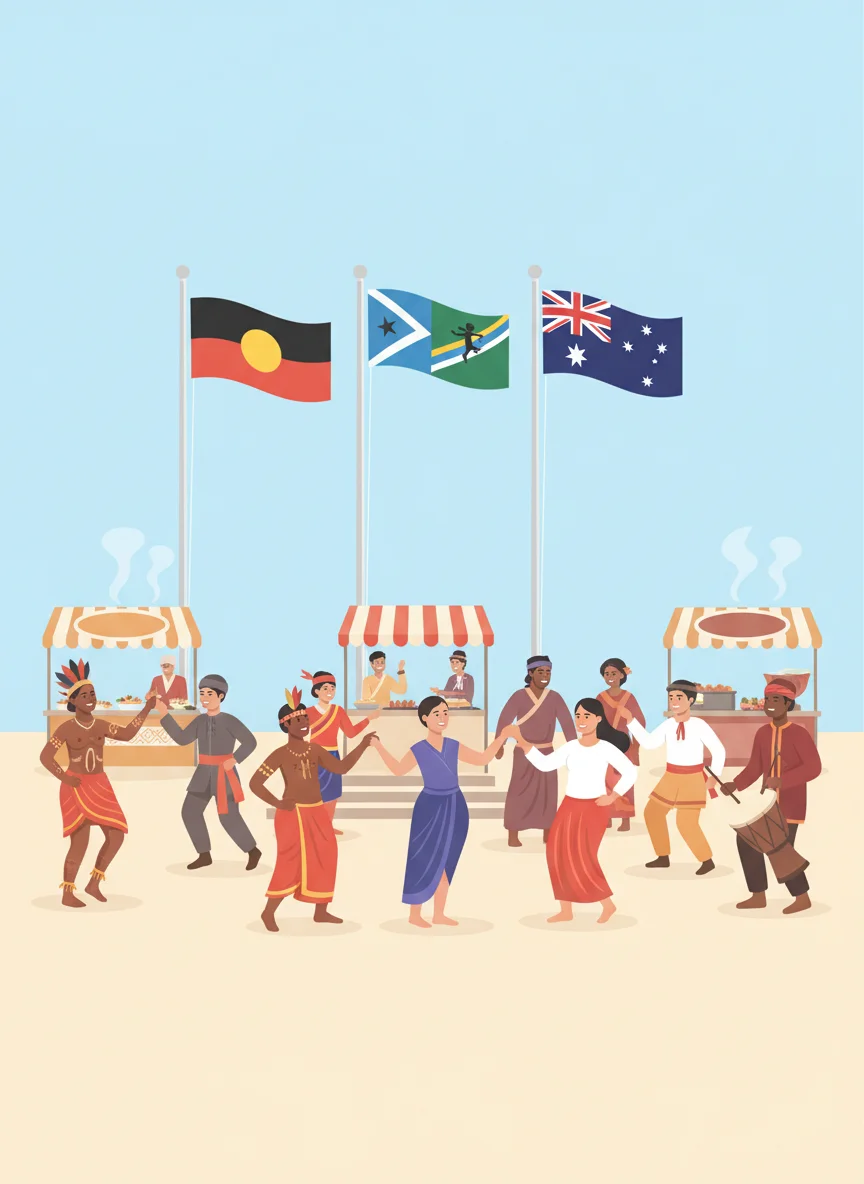
Australian Values and Multiculturalism
Respect for equal worth and dignity of individuals Freedom of speech and association Support for parliamentary democracy and rule of law Equality of opportunity for all Peacefulness and tolerance Celebrating cultural diversity
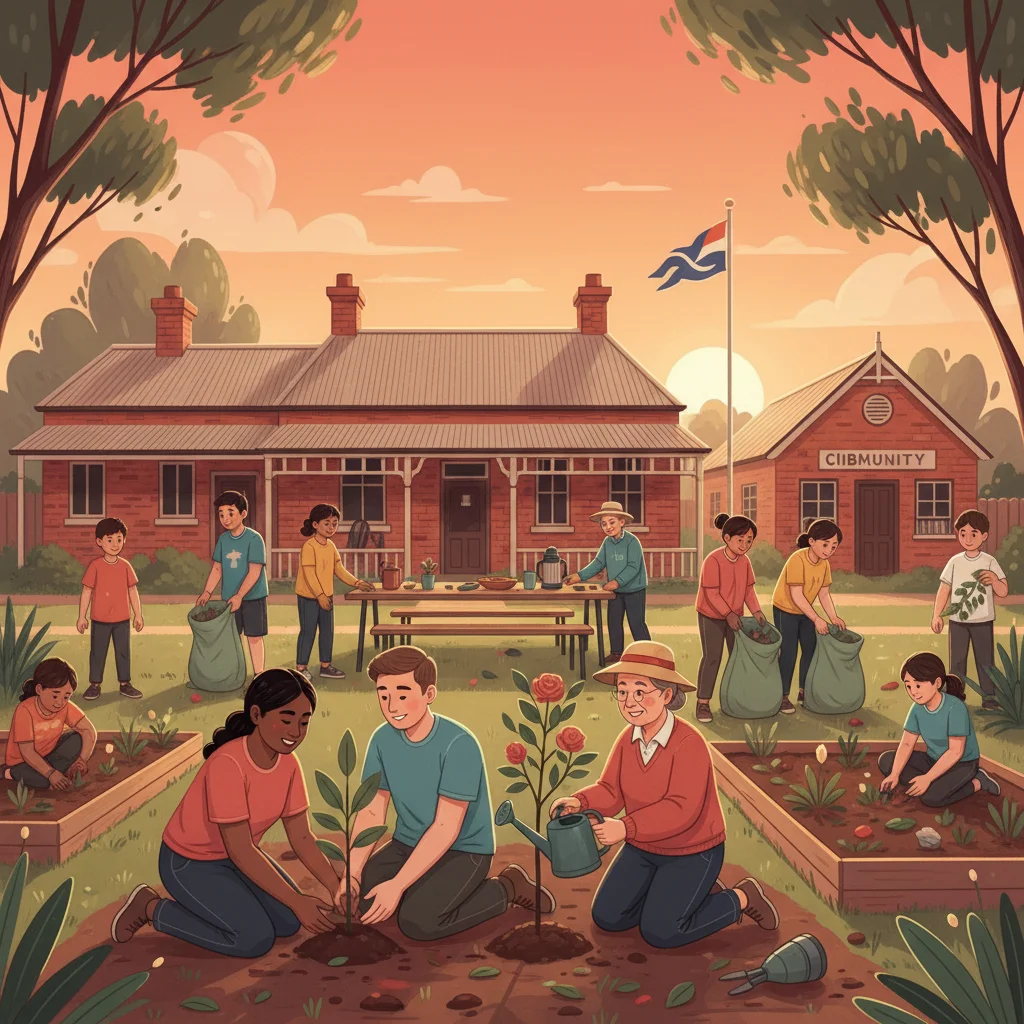
Active Citizenship
"Democracy is not a spectator sport - it requires active participation from all citizens to thrive and serve the common good."
Your Journey as a Young Citizen
Learn about issues that matter to you Participate in school and community activities Respect others and their opinions Prepare for voting when you turn 18 Consider how you can contribute to society Stay informed through reliable news sources