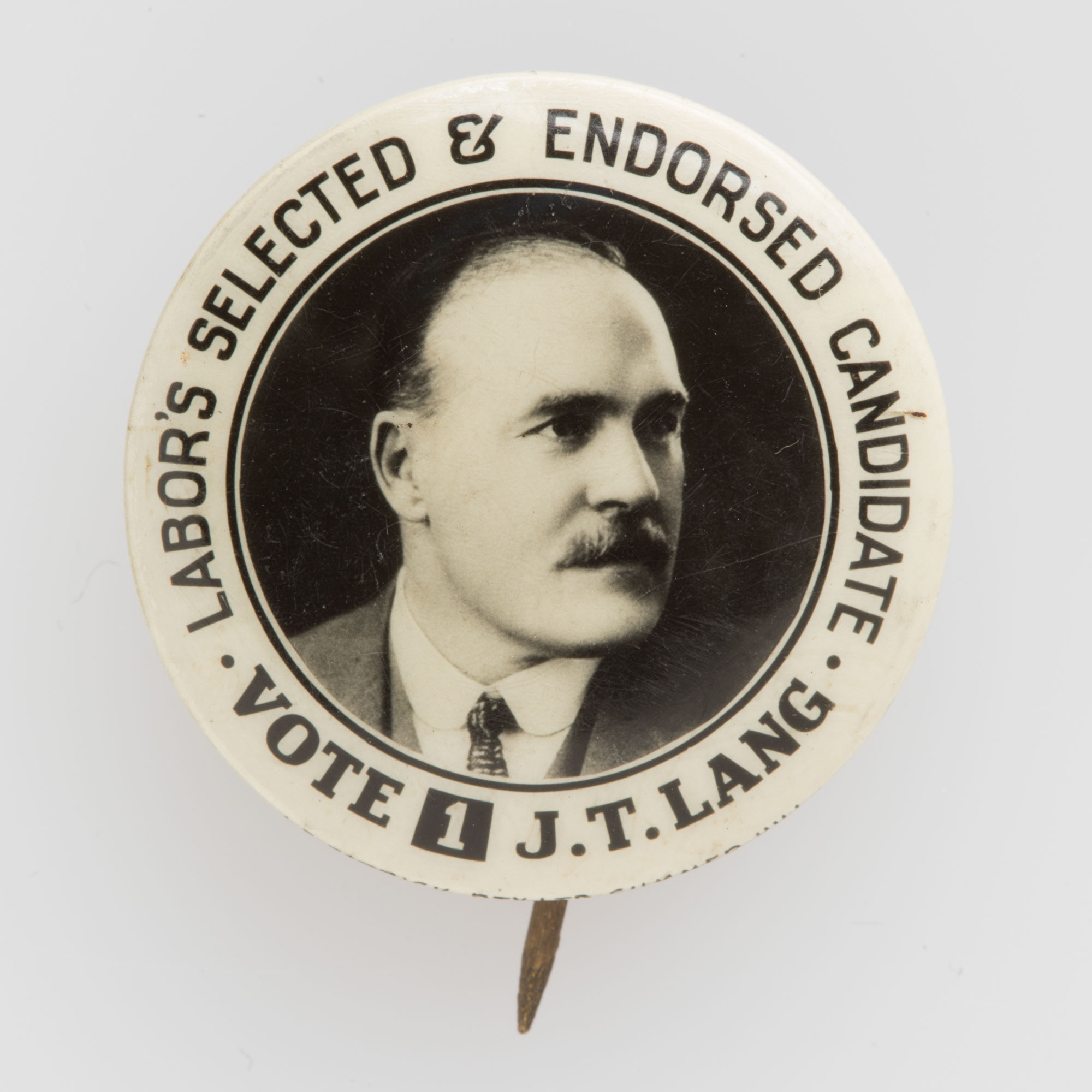
Australia's Great Depression: Causes and Consequences
Year 9 History Understanding the economic crisis of the 1930s Examining causes, impacts, and government responses

What do you know about the Great Depression?
Think about what you might have heard from family stories Consider what economic hardship might look like Share any prior knowledge about the 1930s

Global Context: The Wall Street Crash
October 1929: Wall Street stock market crashes Millions of investors lose their savings overnight American banks and businesses collapse Global trade and investment plummet Australia heavily dependent on international trade
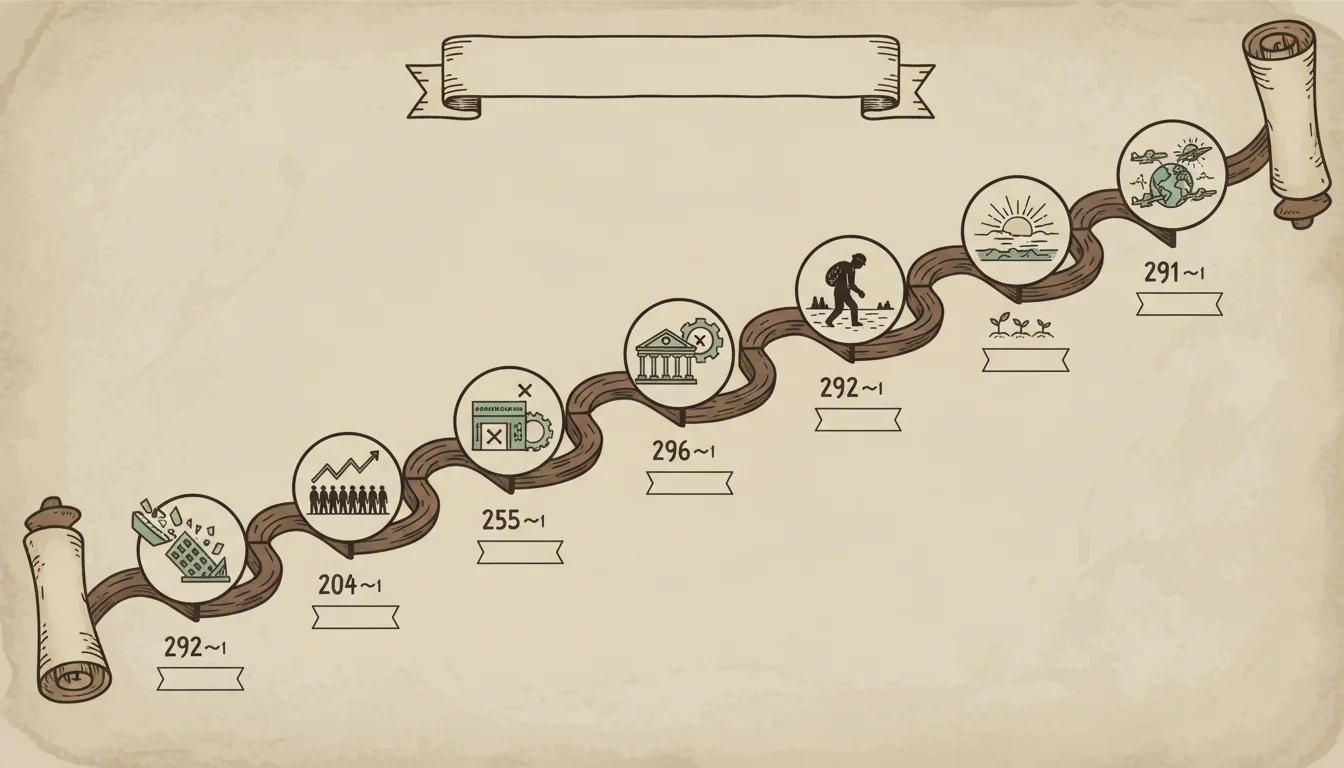
Timeline: Australia's Path to Depression

Causes of Australia's Great Depression
{"left":"Dependence on primary exports (wool, wheat, minerals)\nFalling commodity prices worldwide\nReduced British investment\nHigh government debt from WWI","right":"Overconfidence in continued prosperity\nStock market speculation\nBank failures and reduced lending\nDrought affecting rural areas"}

Cause and Effect Analysis
Work in pairs to match causes with their effects Use the provided cards to create connections Discuss: Which cause do you think was most significant? Present your findings to another pair
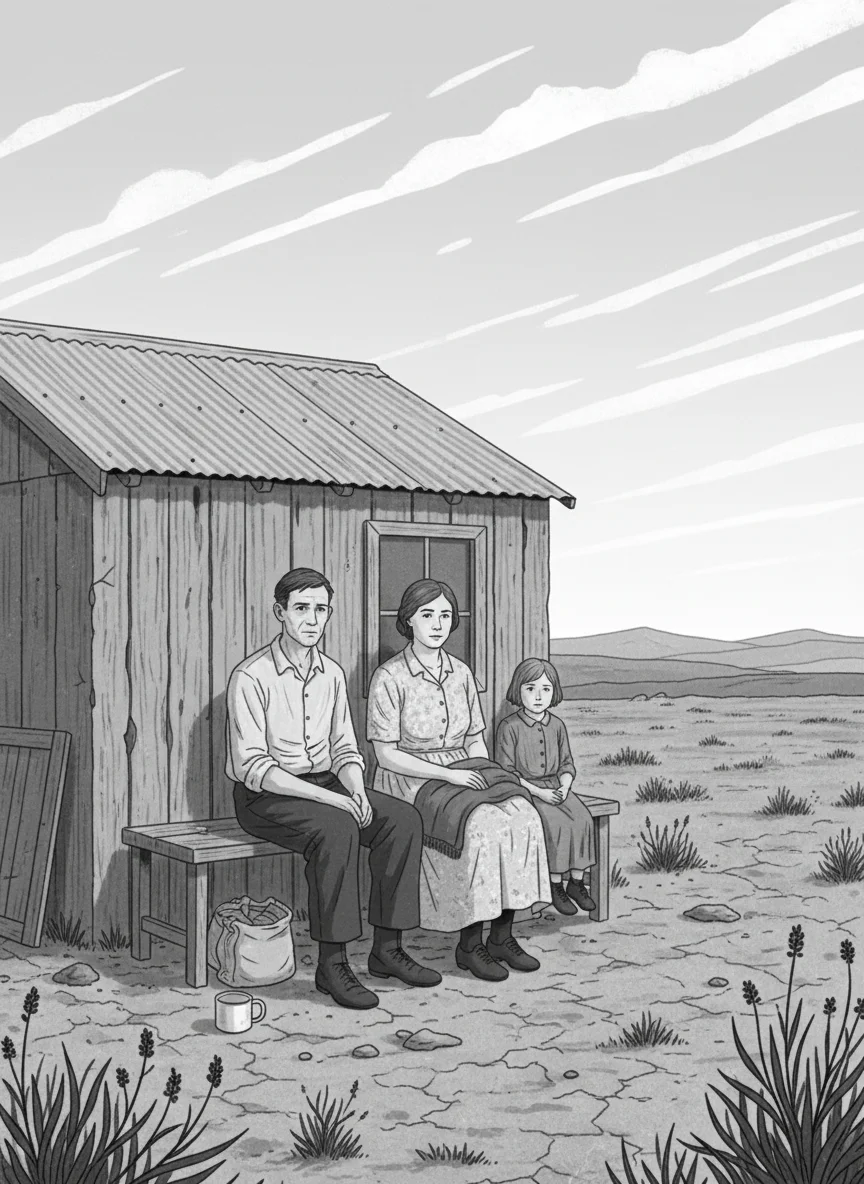
Social Impacts: Stories from Australians
Unemployment reached 32% by 1932 Families lost homes and possessions Children left school to find work Malnutrition and health problems increased Community support networks formed

Voice from the Depression
'We had nothing. Dad lost his job at the factory and Mum took in washing to try and make ends meet. We ate bread and dripping most days, and were grateful for it. But we stuck together as a family, and the neighbours helped when they could.' - Mary Thompson, Melbourne, 1932
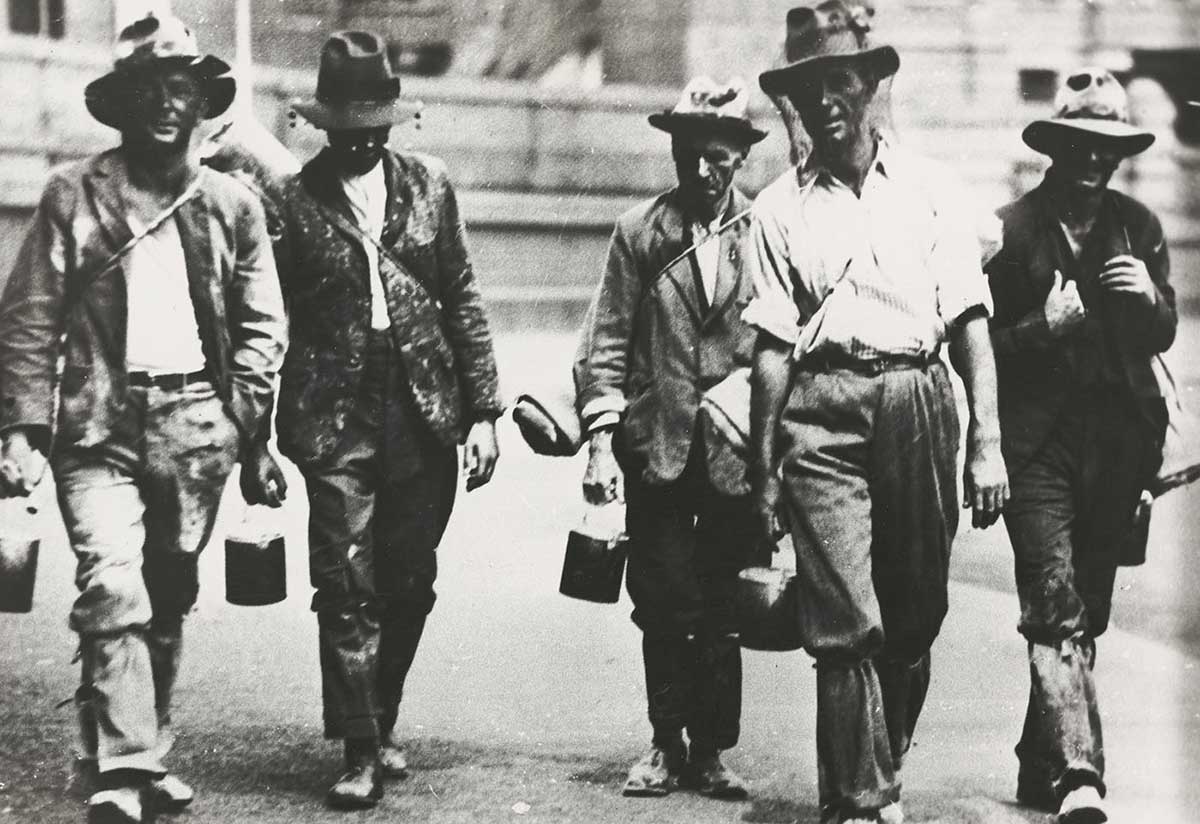
Government Responses: The Premiers' Plan
Introduced in 1931 by state and federal leaders Cut government spending and public service wages Reduced interest on government debt Increased taxes to balance budgets Controversial but helped stabilize the economy

Government Response Evaluation
Read the scenario: You are an advisor to the Prime Minister in 1931 Consider the options: Cut spending, increase spending, or maintain current levels Discuss the pros and cons of each approach Vote on what you would recommend and justify your choice
Recovery and Lessons Learned
World War II created jobs and demand for Australian goods Government learned the importance of economic intervention Social security systems were strengthened Australia diversified its economy The experience shaped modern economic policy