Slide 1
Animal Adaptations: Surviving in the Wild
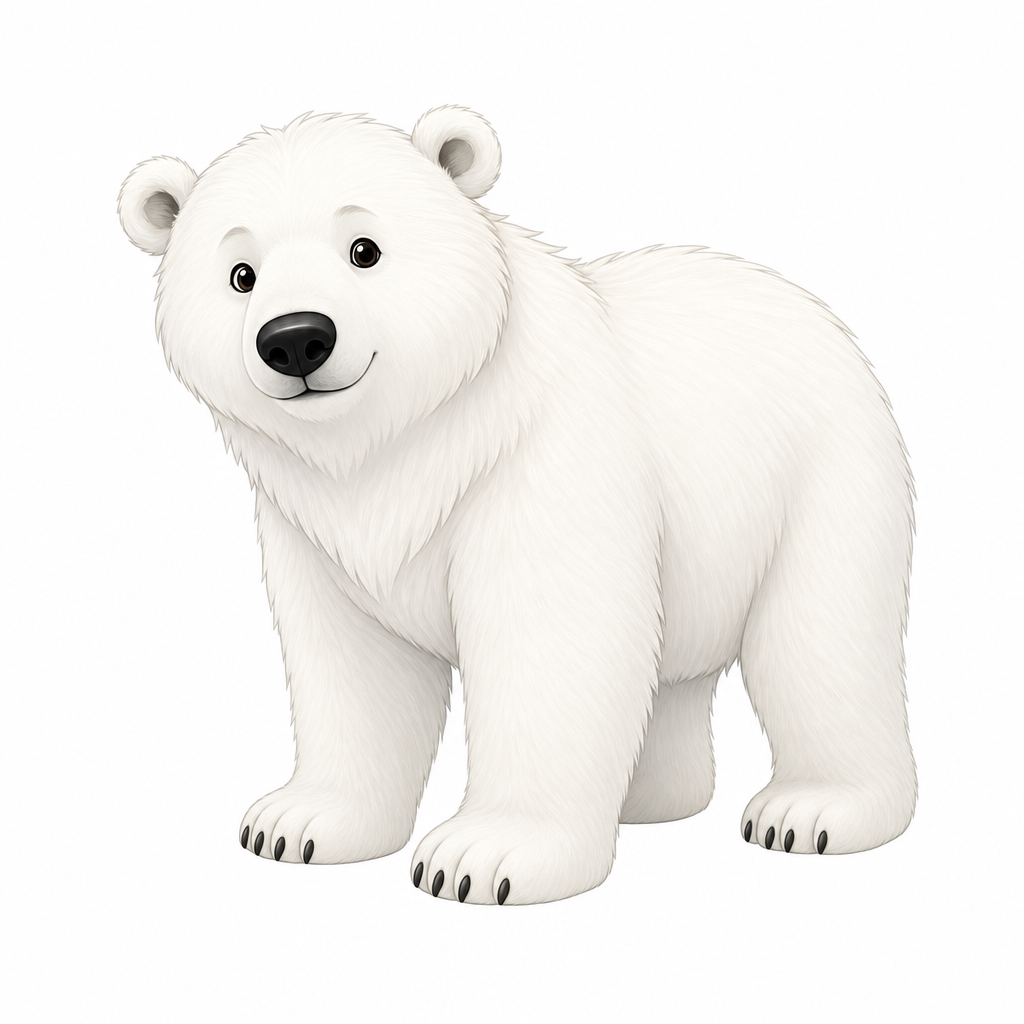
Year 5 Science Discovering how animals survive in their environments
Slide 2
What Are Adaptations?
Special features that help animals survive Two main types: Structural and Behavioural Developed over many generations Help animals find food, stay safe, and reproduce

Slide 3
Types of Adaptations
{"left":"Structural Adaptations\nPhysical body parts\nExamples: sharp claws, thick fur, long beaks","right":"Behavioural Adaptations\nActions and behaviors\nExamples: migration, hibernation, hunting in groups"}

Slide 4
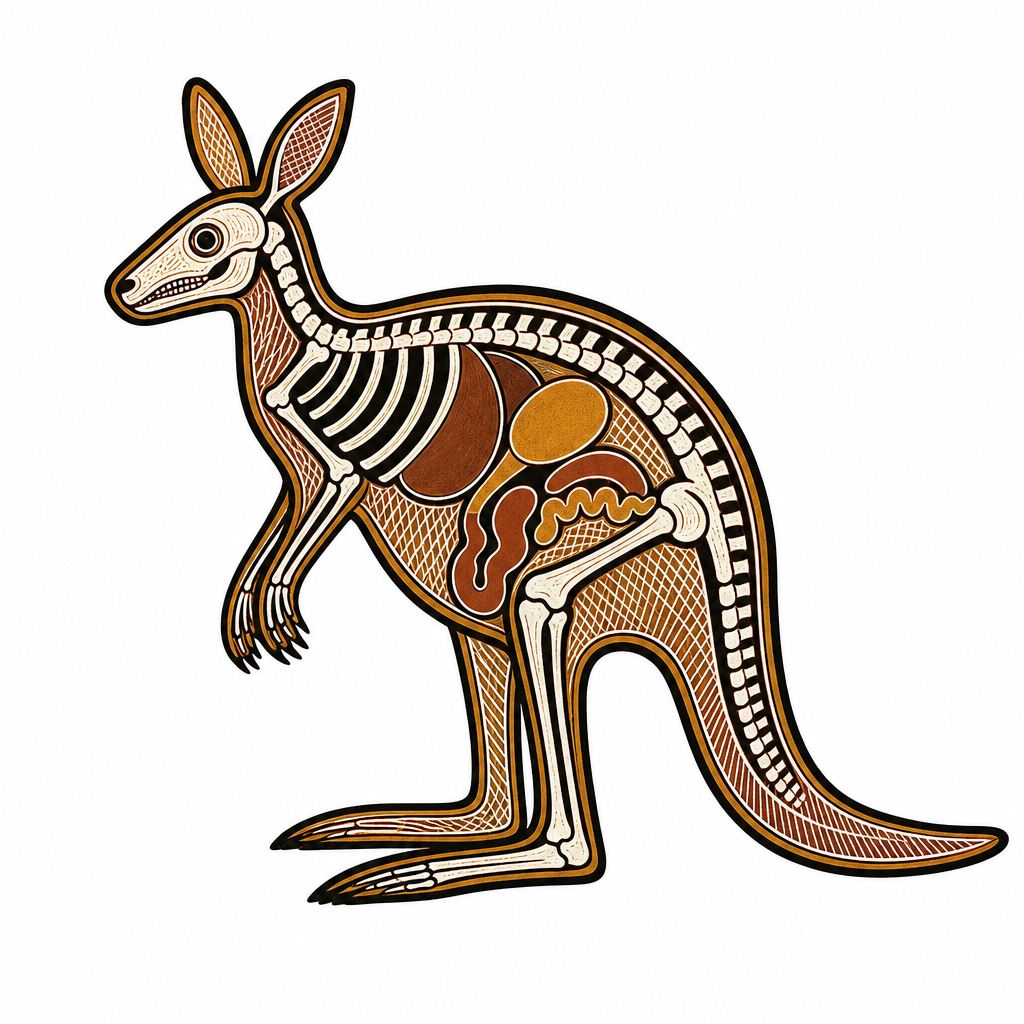
Kangaroo: Built for hopping

Slide 5
Platypus: The Ultimate Survivor

Slide 6
Echidna: A Walking Pin Cushion

Slide 7
Wedge-tailed Eagle: Master of the Skies

Slide 8
Why Adaptations Matter
Help animals find food and water Protect from predators and harsh weather Allow animals to live in different environments Ensure species survive and reproduce Show how amazing nature can be!