
Ancient Egypt: Secrets of a Civilisation
Exploring the mysteries of pharaohs, mummies, and the mighty Nile Year 7 Social Sciences
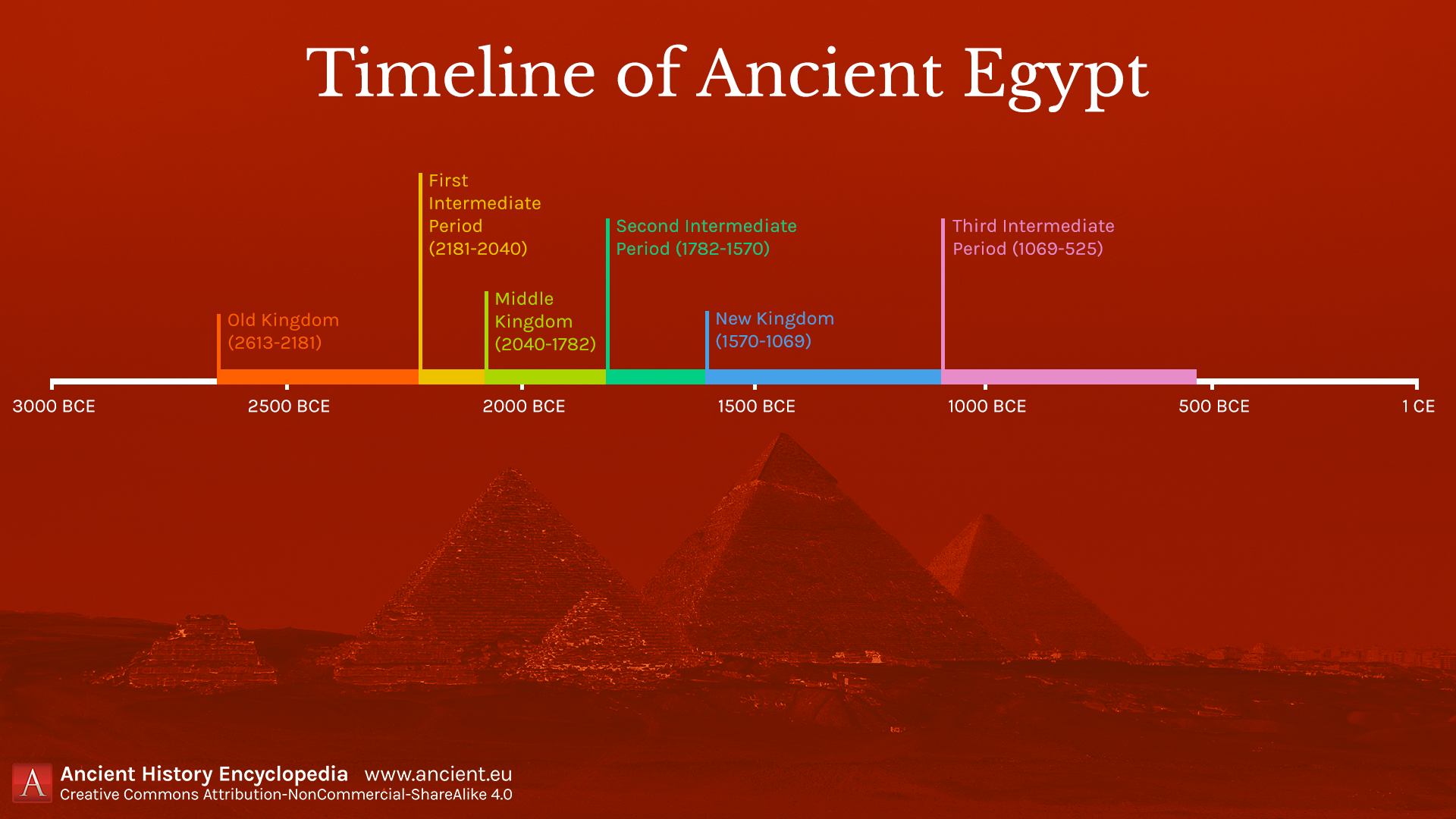
Timeline of Ancient Egypt
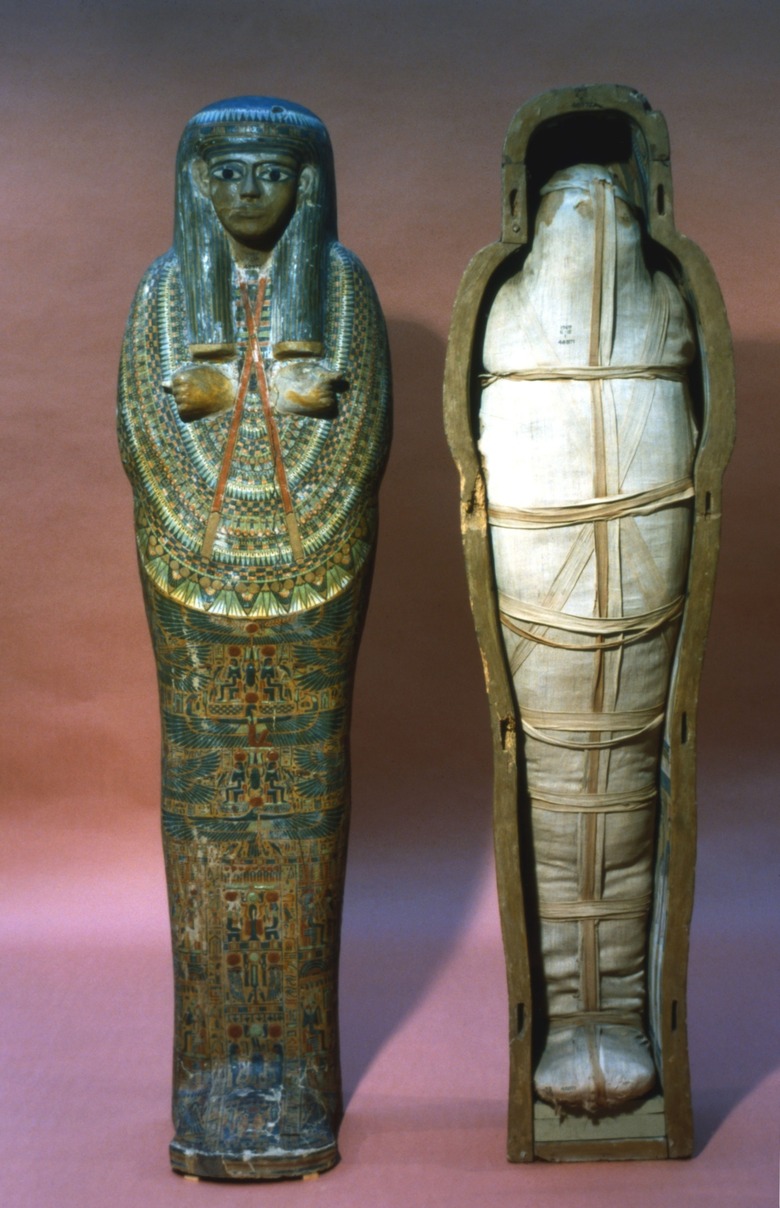
The Sacred Art of Mummification
Preserved bodies for the afterlife journey 70-day process involving removal of organs Only wealthy could afford full mummification Canopic jars stored liver, lungs, stomach, intestines Wrapped in linen with protective amulets

Mummification Sequence Challenge
Work in pairs to arrange the mummification steps in correct order Use the visual cards provided Discuss: Why was each step important? Share your sequence with another pair

Pharaohs: God-Kings of Egypt
{"left":"Divine rulers chosen by gods\nWore the double crown of Upper and Lower Egypt\nBuilt massive monuments and temples","right":"Led armies and made all major decisions\nFamous pharaohs include Tutankhamun and Ramses II\nBelieved to become gods after death"}
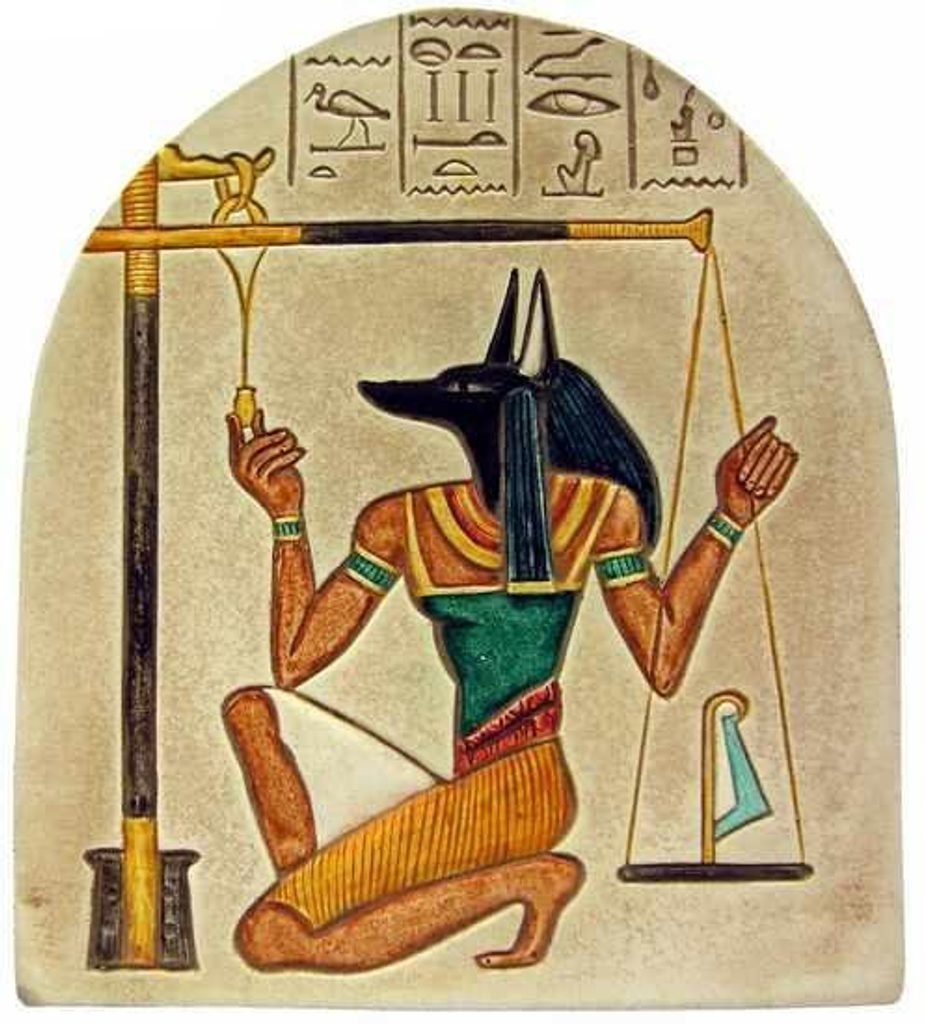
Weighing of the Heart Ceremony
Egyptian belief about judgment after death Heart weighed against feather of Ma'at (truth) Anubis conducted the ceremony Pure hearts lighter than the feather entered paradise Heavy hearts were devoured by Ammit the crocodile-headed monster
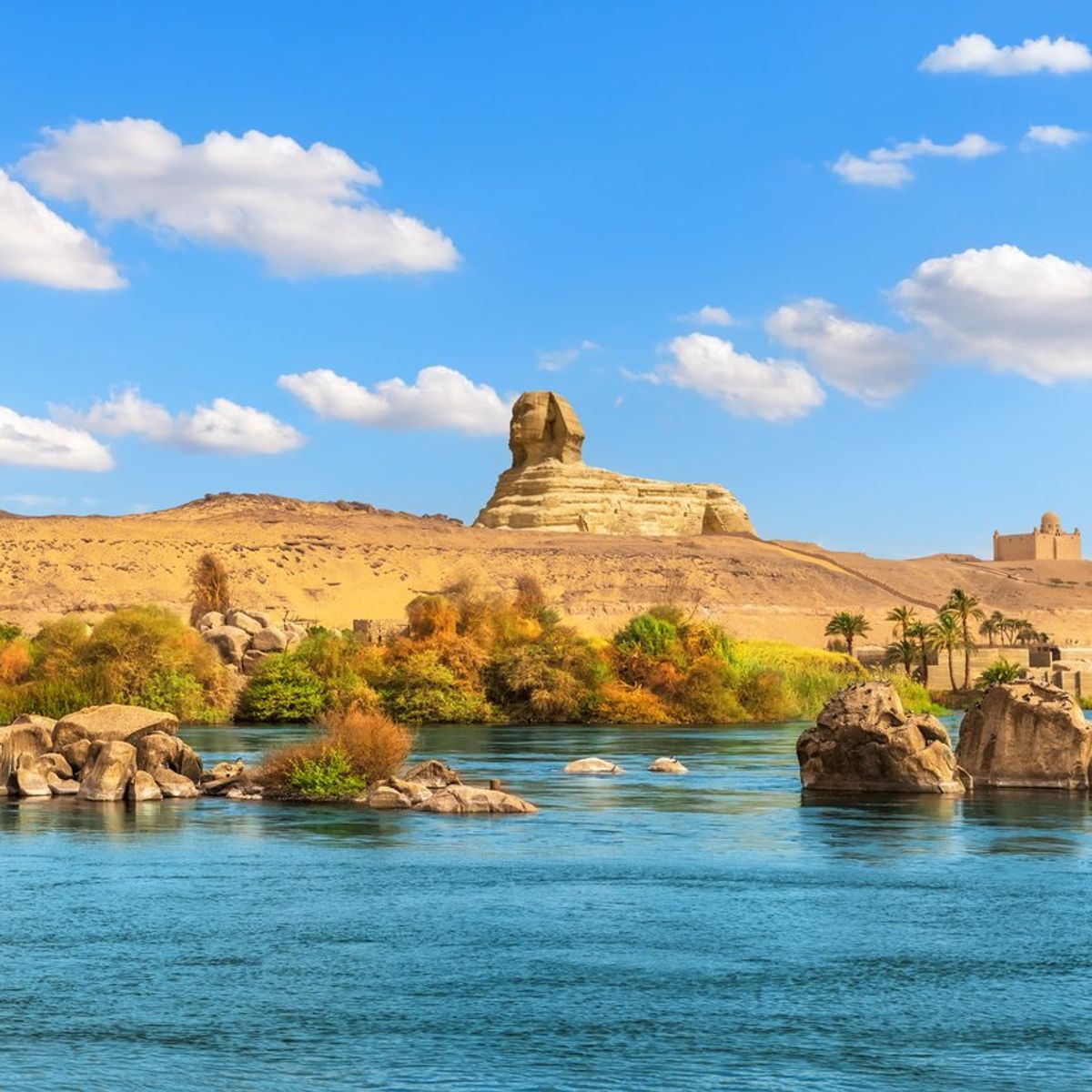
Think and Discuss
How did the Nile River shape Egyptian civilisation? Consider: farming, transport, protection, daily life

Secrets Revealed: What We've Learned
Mummification preserved bodies for spiritual journey Pharaohs ruled as divine god-kings for over 3000 years Moral beliefs guided daily life and afterlife preparation The Nile River was the foundation of Egyptian prosperity This ancient civilisation still fascinates us today