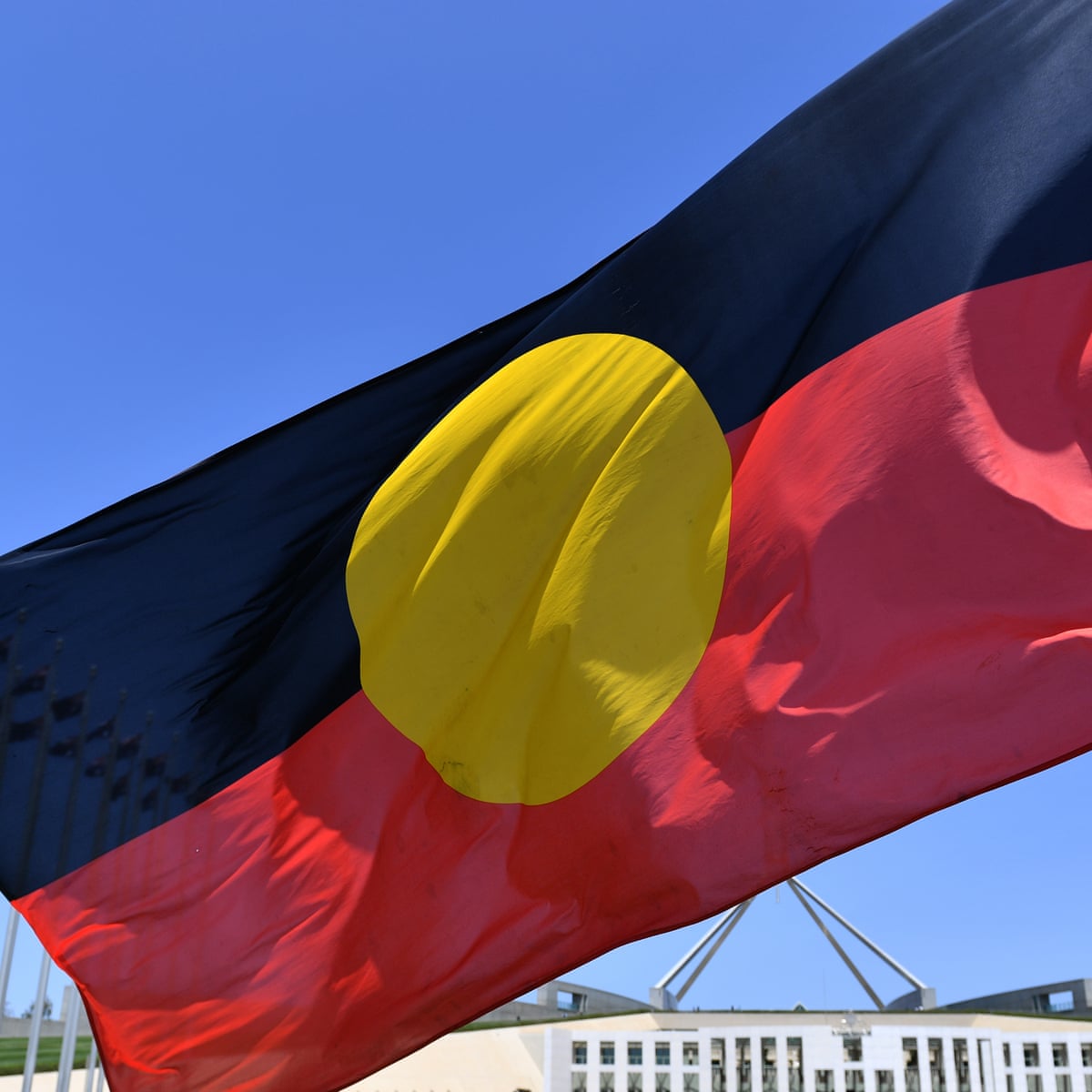
Aboriginal Rights: Australia's Legal Journey
Year 11 Legal Studies Understanding Historical Context and Legal Reform 50-minute lesson

Learning Objectives & Success Criteria
Investigate significant historical events relating to Aboriginal rights Explain the role of the legal system in shaping Aboriginal rights Develop historical arguments using evidence Engage respectfully with First Nations perspectives
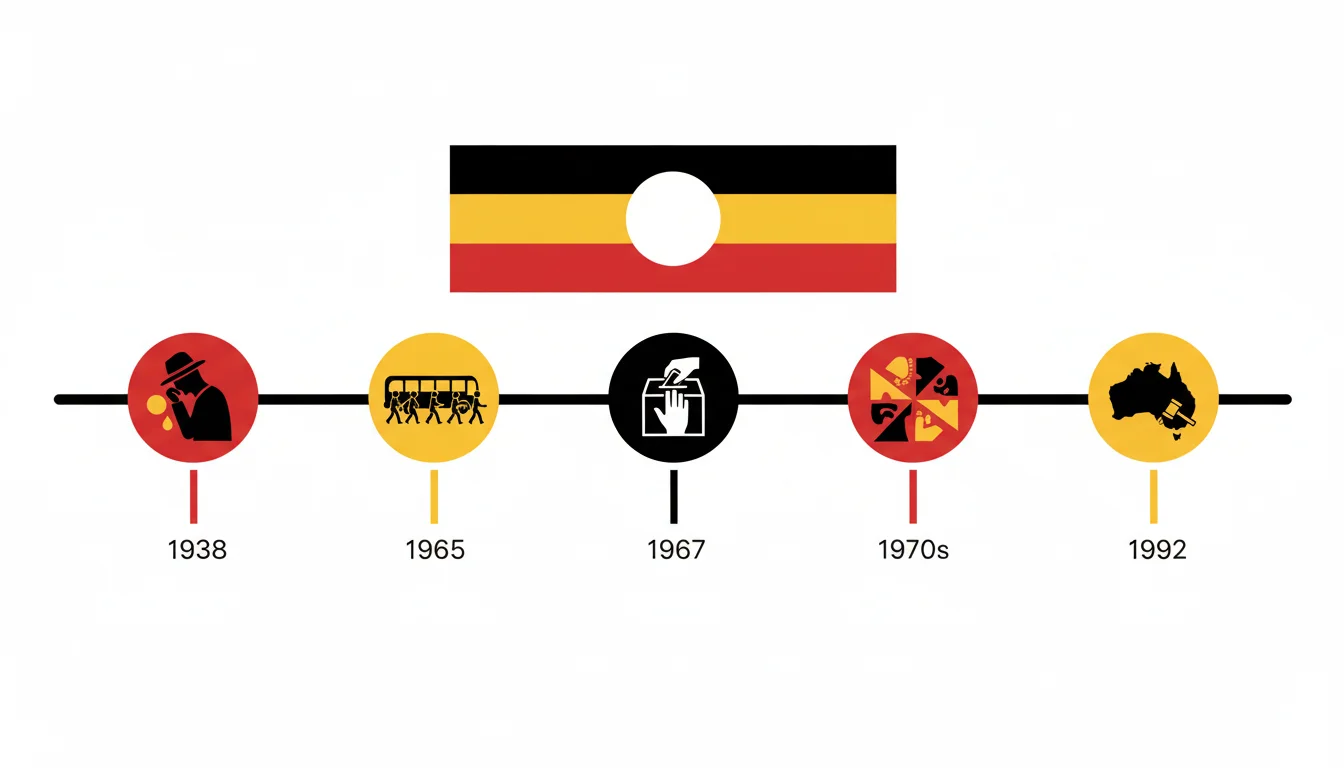
Timeline of Aboriginal Rights: Key Historical Events
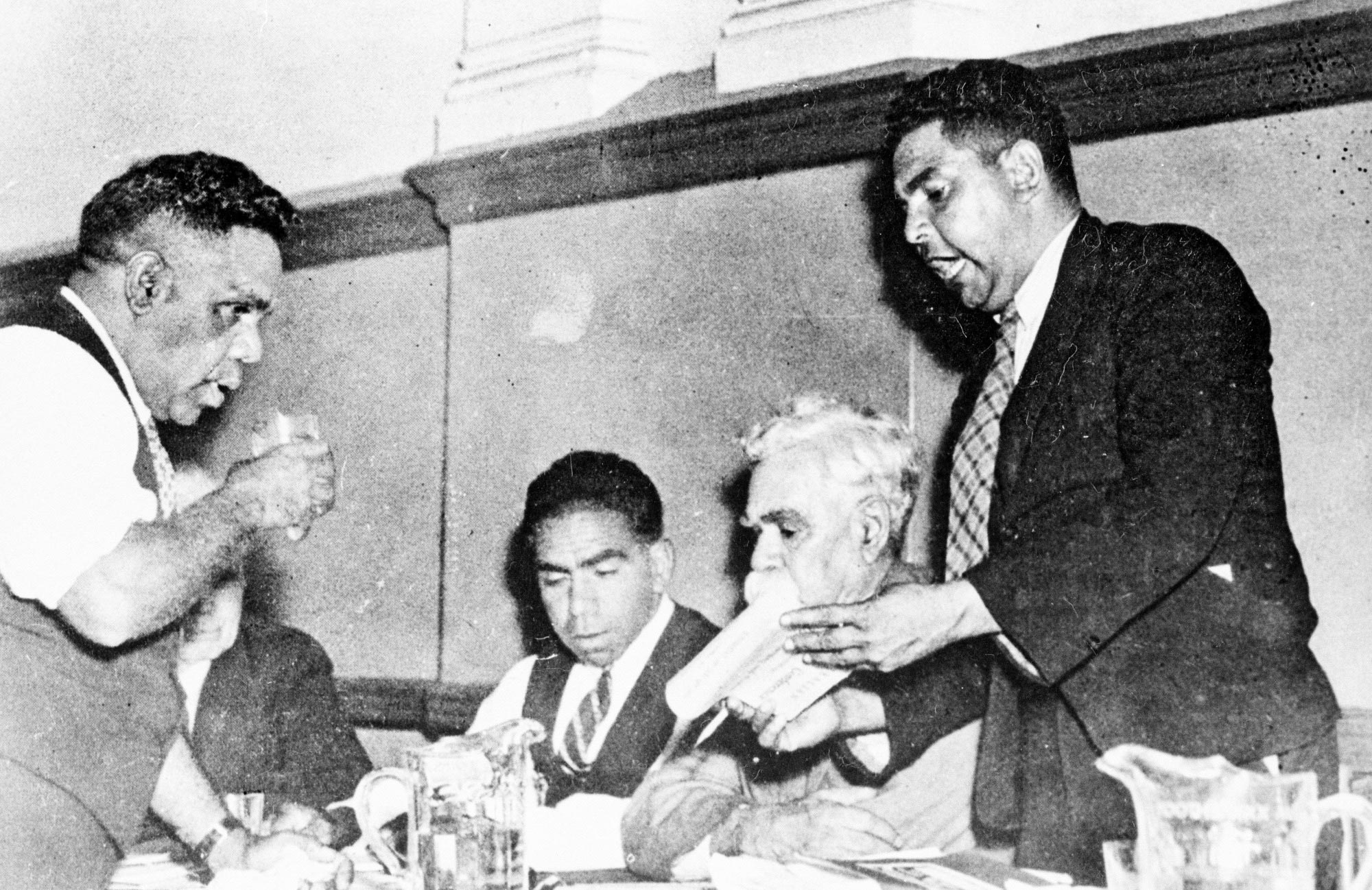
1938 Day of Mourning
First major organized Aboriginal protest Coincided with Australia Day celebrations Called for full citizenship rights and equality Organized by Aboriginal Progressive Association Marked beginning of modern Aboriginal rights movement

1965 Freedom Rides & 1967 Referendum
Freedom Rides exposed discrimination in NSW country towns Led by Charles Perkins and university students 1967 Referendum - 90.77% voted YES Allowed Commonwealth to make laws for Aboriginal people Enabled Aboriginal people to be counted in census
The Mabo Case: Terra Nullius Overturned
"The Meriam people are entitled as against the whole world to possession, occupation, use and enjoyment of the lands of the Murray Islands." - High Court of Australia, 1992
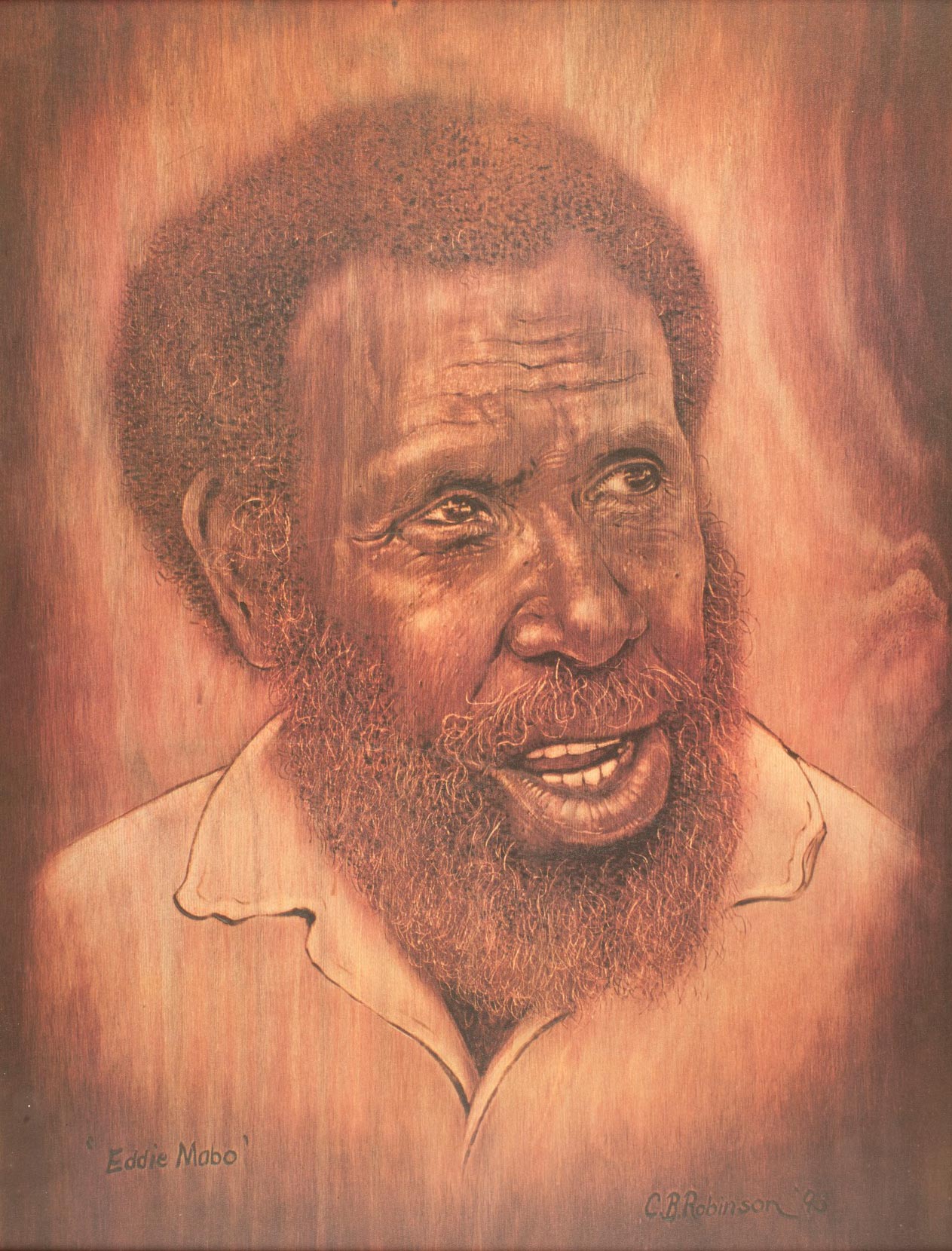
Mabo v Queensland (1992): Case Study
Eddie Mabo challenged Queensland's claim over Murray Islands Argued his people had continuous connection to land High Court rejected 'terra nullius' (empty land) doctrine Recognized native title existed before European settlement Led to Native Title Act 1993

Group Jigsaw Activity: Analyzing Key Events
Form groups of 2-3 students Each group assigned one key event Use provided source extracts to investigate Prepare 2-3 minute presentation on your event's significance Focus on: What happened? Why was it important? How did it advance Aboriginal rights?

Class Discussion: Connecting Past and Present
How has the legal system both helped and hindered Aboriginal rights? What patterns do you notice across these historical events? How do these past struggles connect to contemporary Aboriginal rights issues? What can we learn from this history for addressing current challenges?

Lesson Summary & Exit Reflection
We traced the journey from 1938 Day of Mourning to 1992 Mabo Decision Each event built momentum for Aboriginal rights recognition Legal system gradually evolved to acknowledge Indigenous perspectives Historical struggles inform contemporary debates about reconciliation